


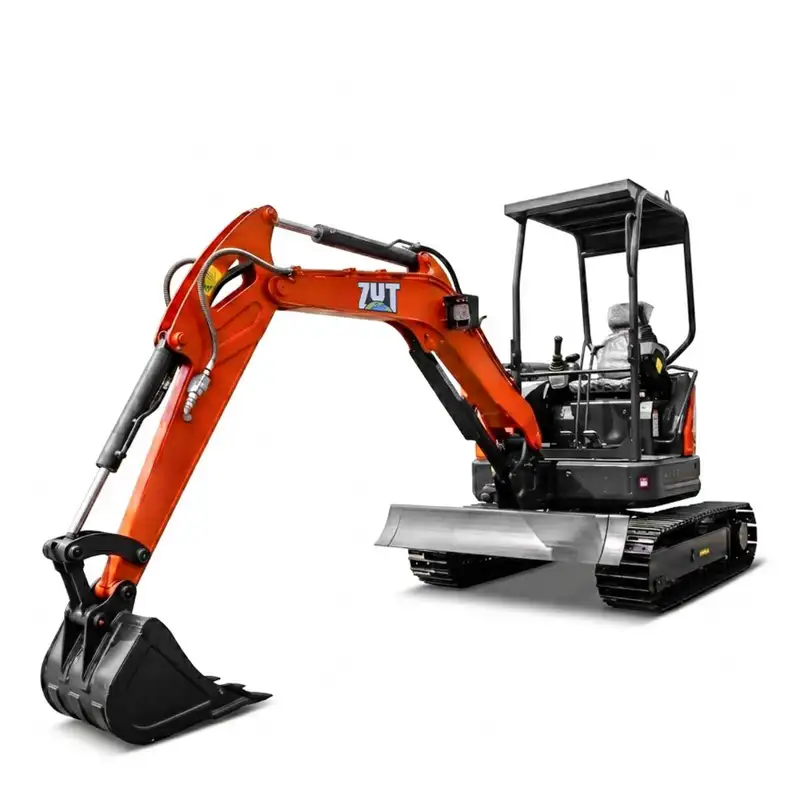
Crawler Excavator
ZT-27CZT27 C Tailless Cabbed Mini Crawler Excavator | Compatible with Multiple Attachments | Easy Maintenance
View Details→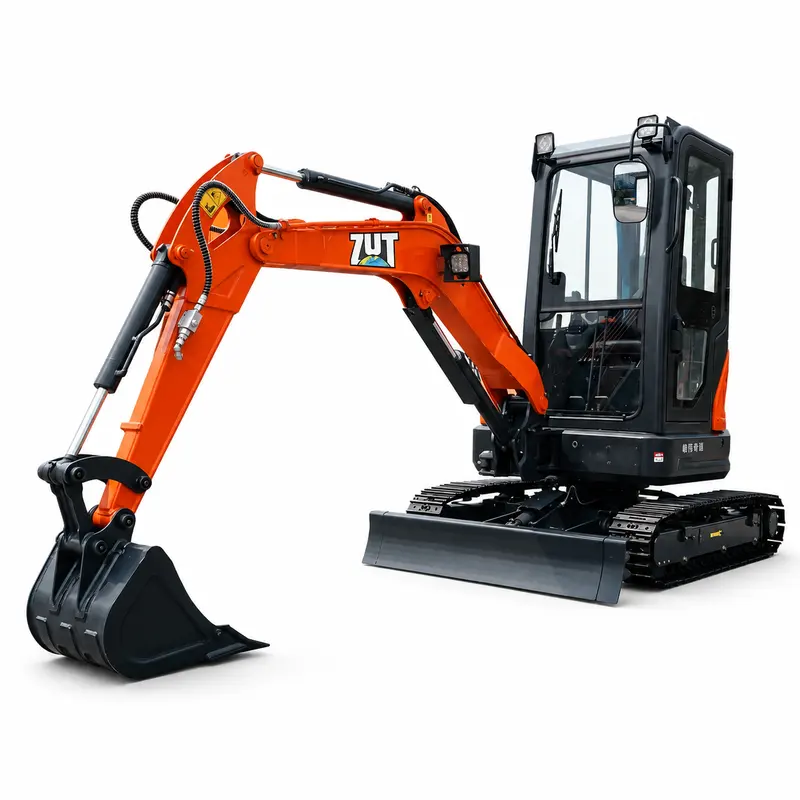

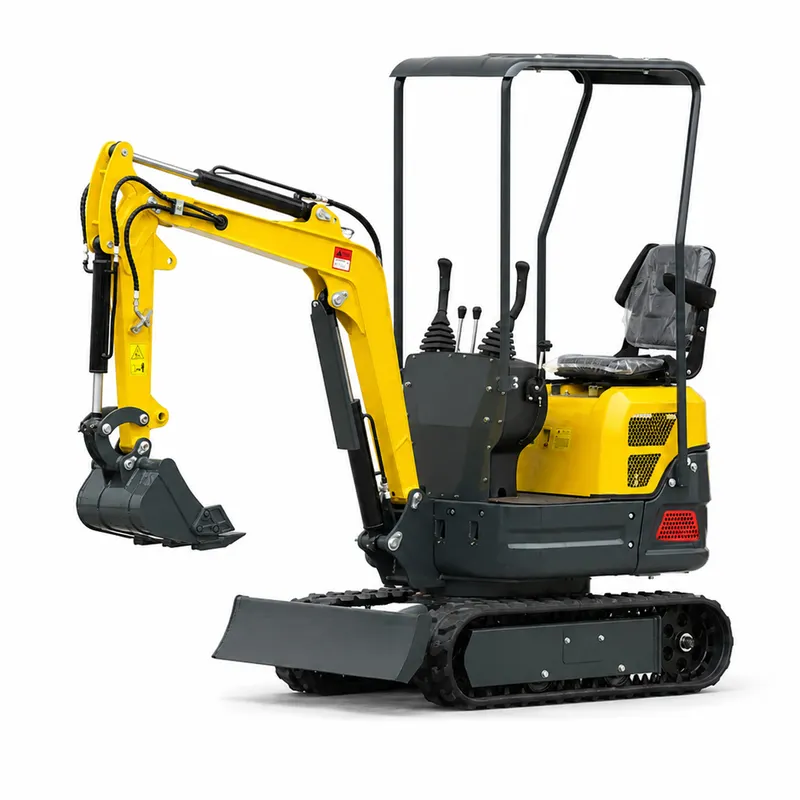
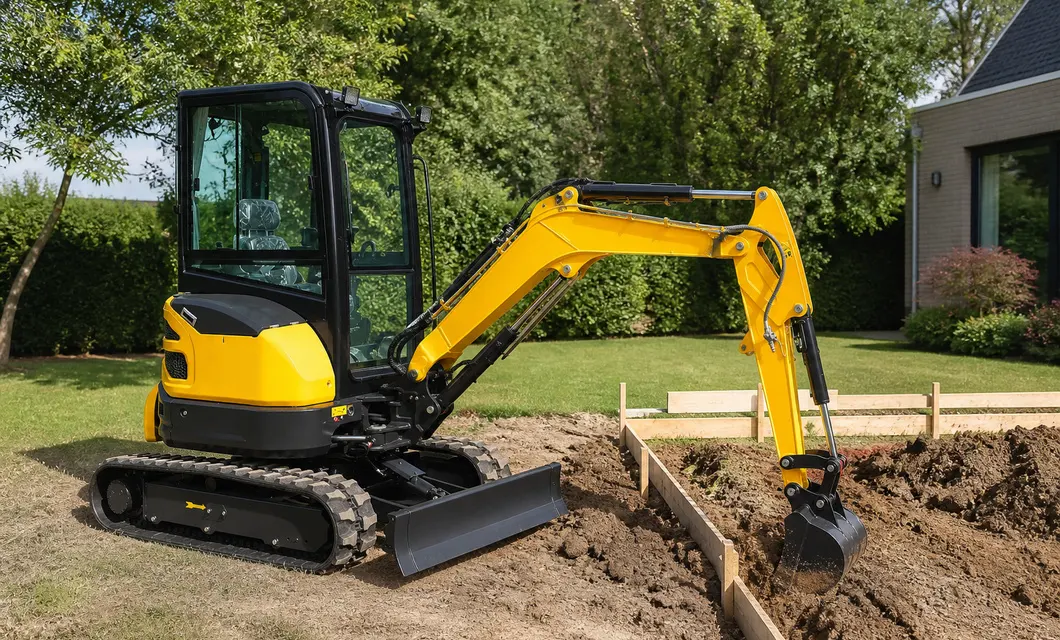
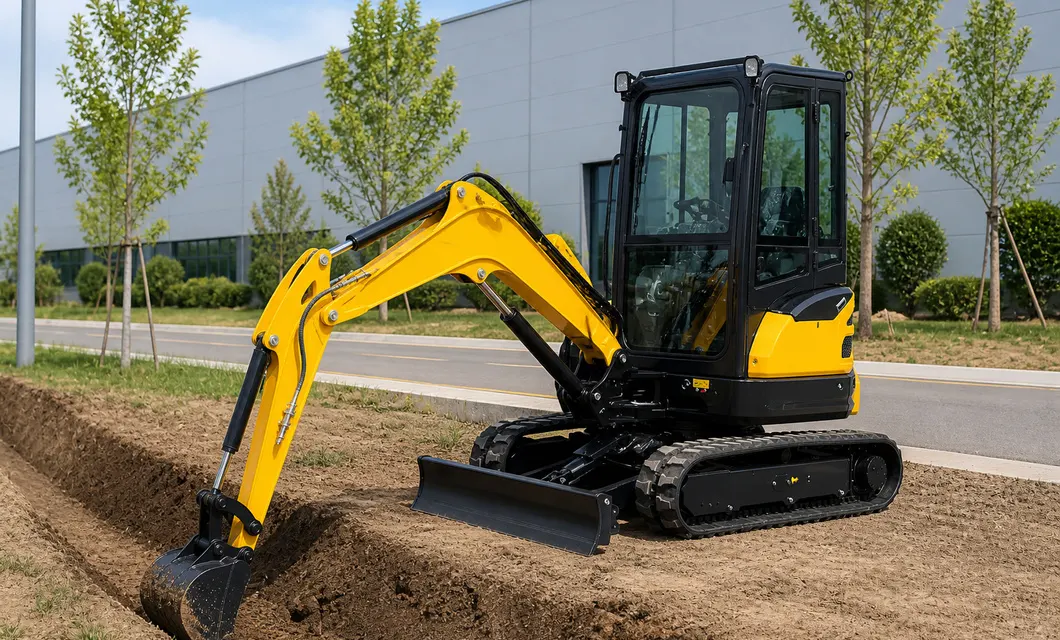 Drainage Trench Excavation
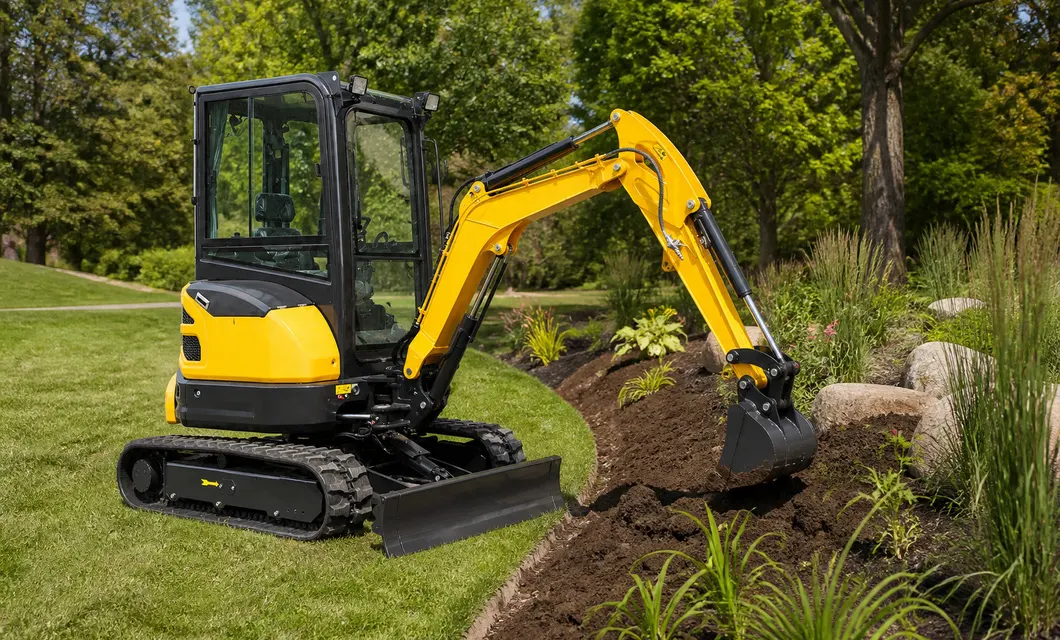
 Landscape Bed Shaping
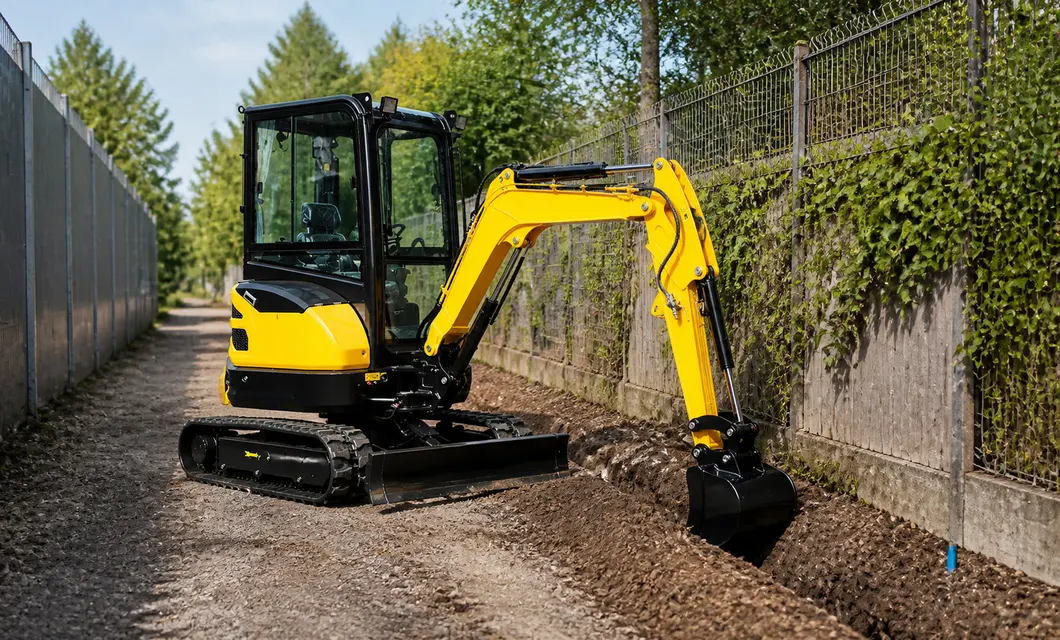
 Narrow Utility Excavation
 Foundation Edge PreparationDrainage Trench ExcavationLandscape Bed Shaping
01 /Description
GW30 Mini Crawler Excavator
Miniature crawler excavator. Application settings include Drainage Trench Excavation; Landscape Bed Shaping; Narrow Utility Excavation; Foundation Edge Preparation. Match the selected configuration to the available space, access and intended use before ordering.
02 / Specs & Parts
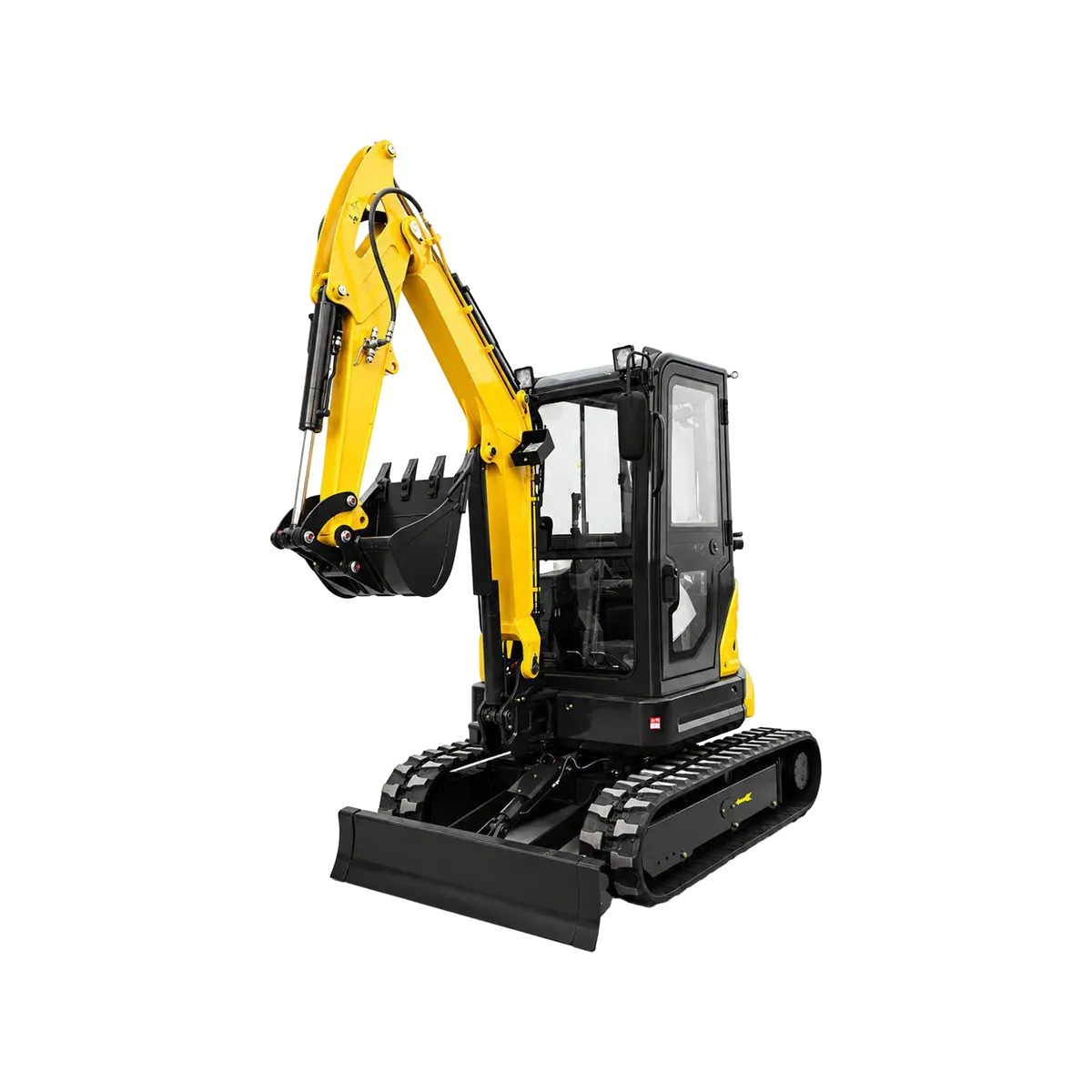
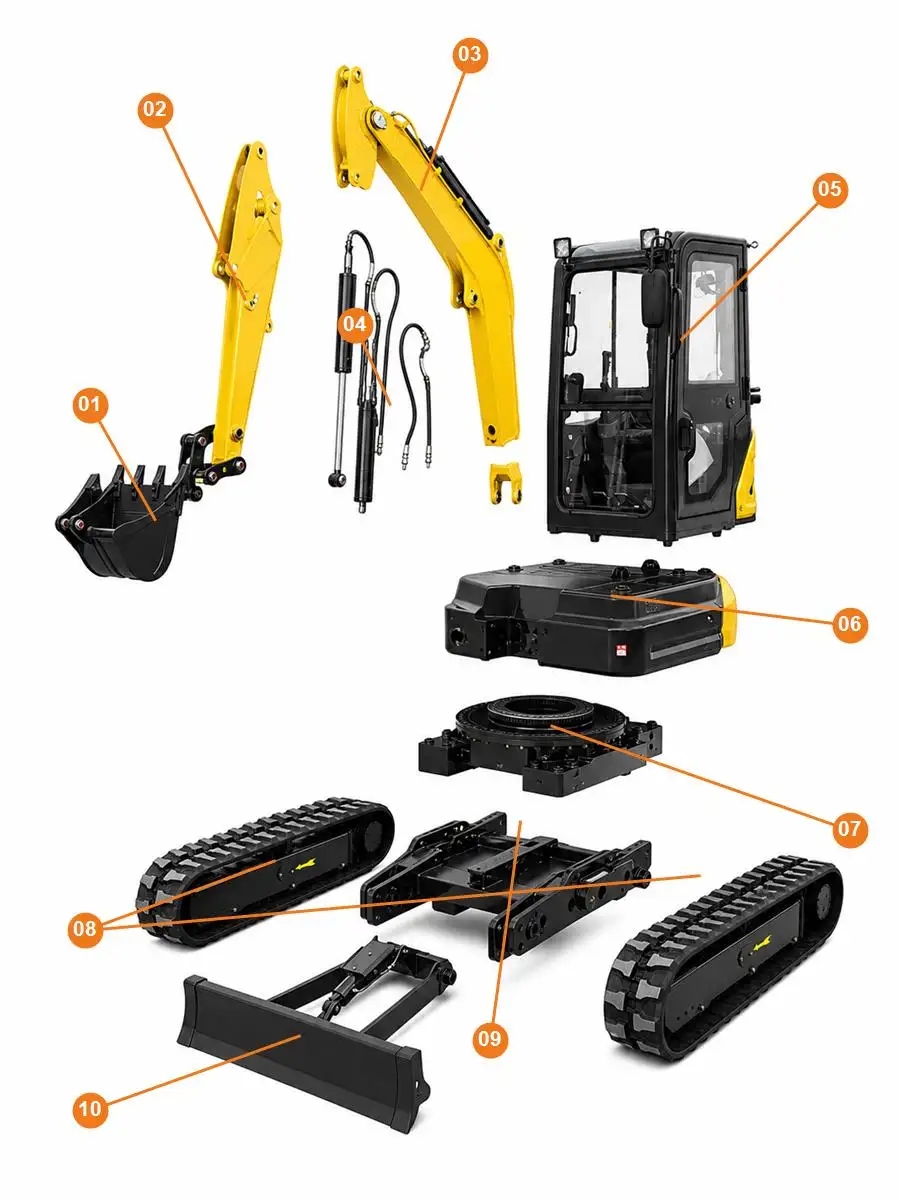
Front bucket and pivot linkage form the working end for loading and controlled excavation.
Forward arm carries bucket linkage and transfers hydraulic force for reach and digging control.
Main boom raises and positions the arm, preserving the machine reach shown in the white reference.
Visible cylinders and hoses drive boom, arm and bucket joints for coordinated hydraulic motion.
Glazed cab surrounds seat and controls, giving the operator a protected, clear work station.
Black upper body houses rear equipment and balances the front attachment during operation.
Circular swing base links upper body to lower frame for controlled upper-structure rotation.
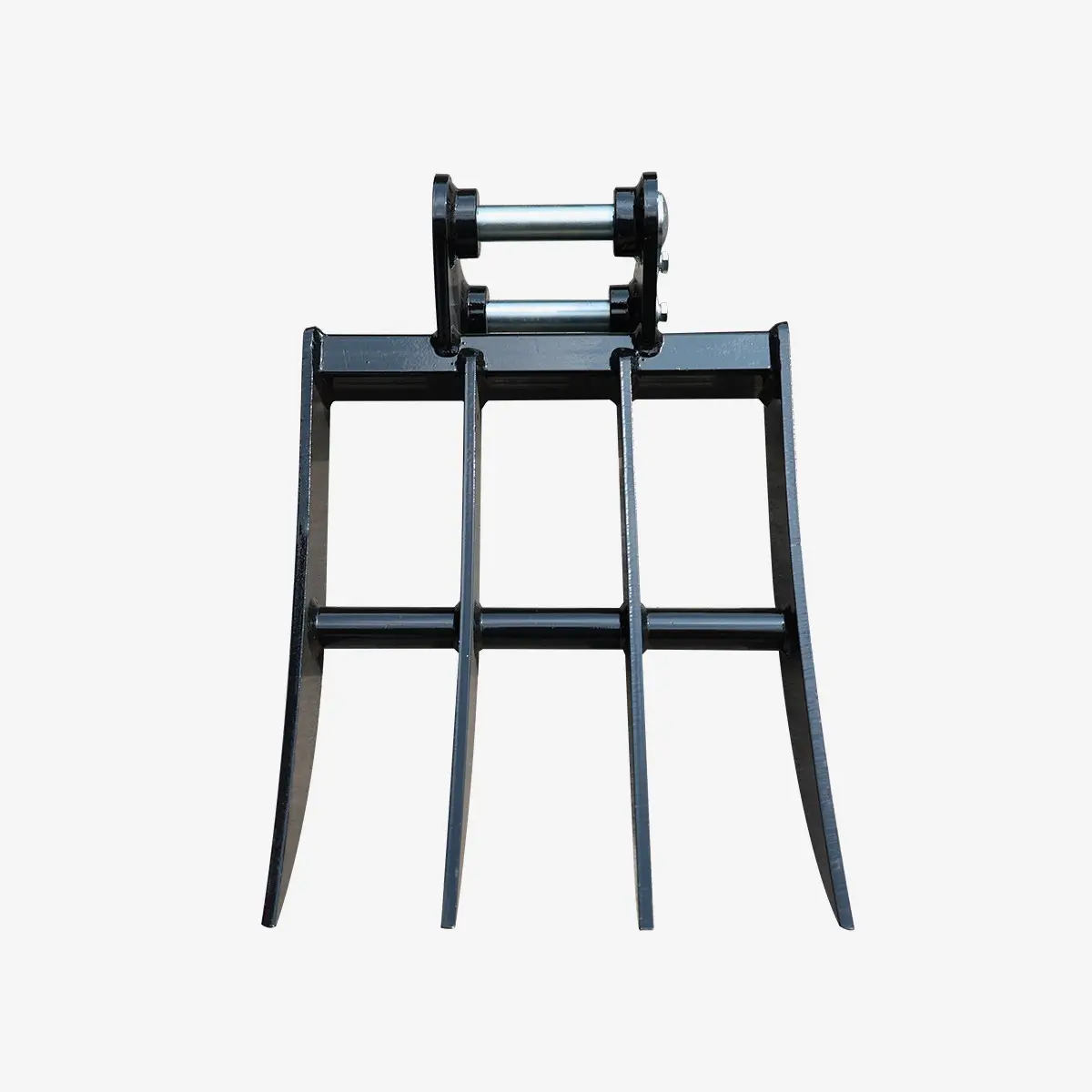
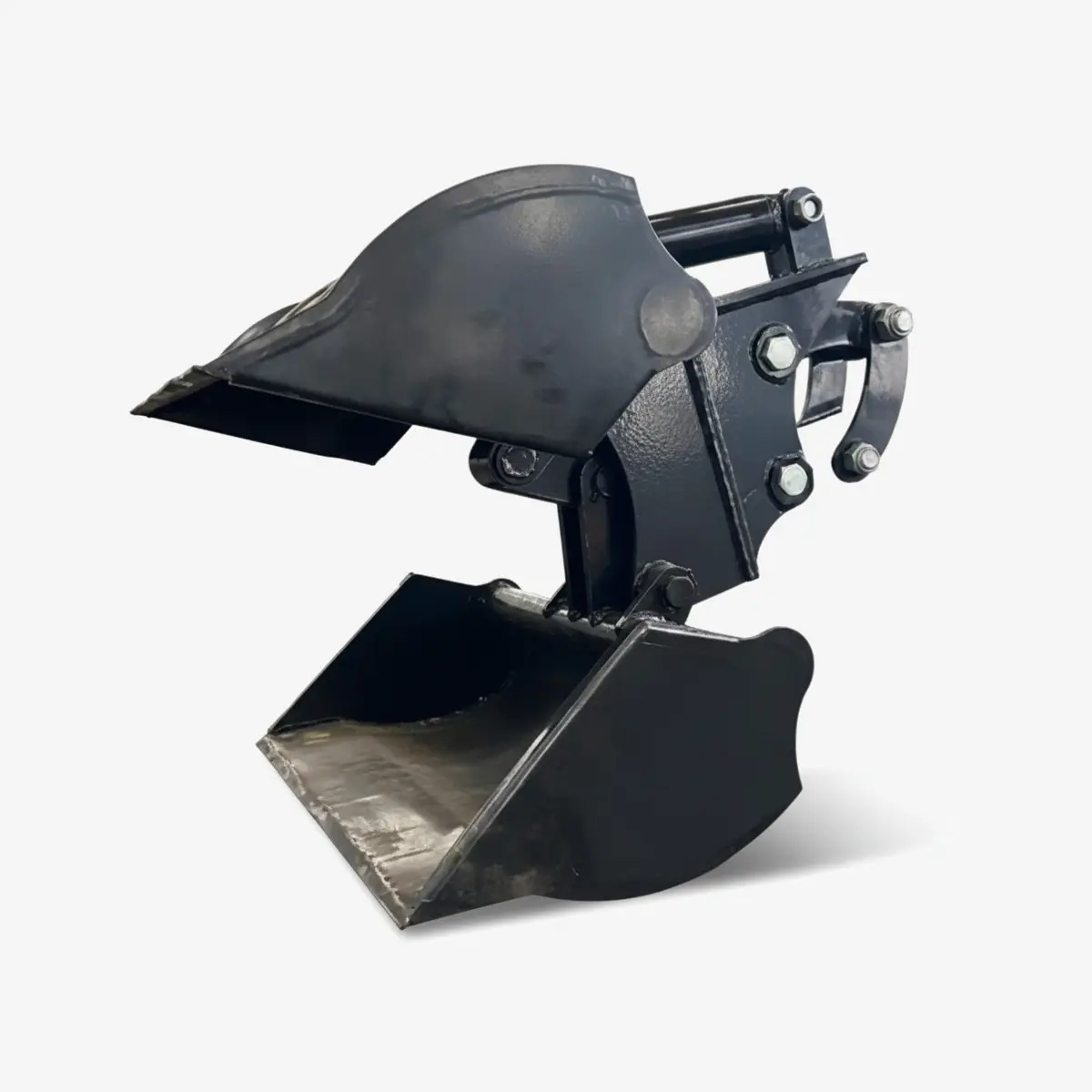
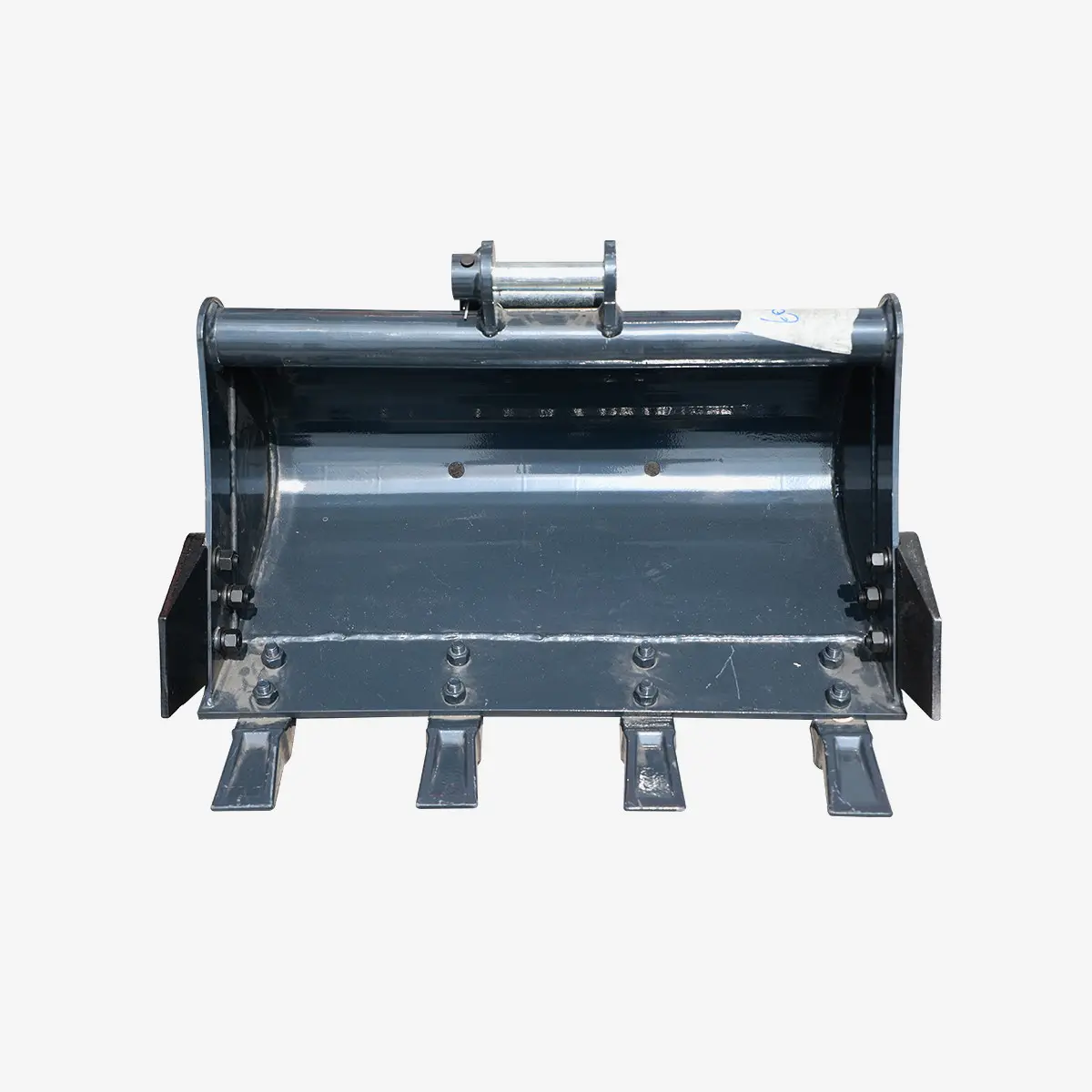
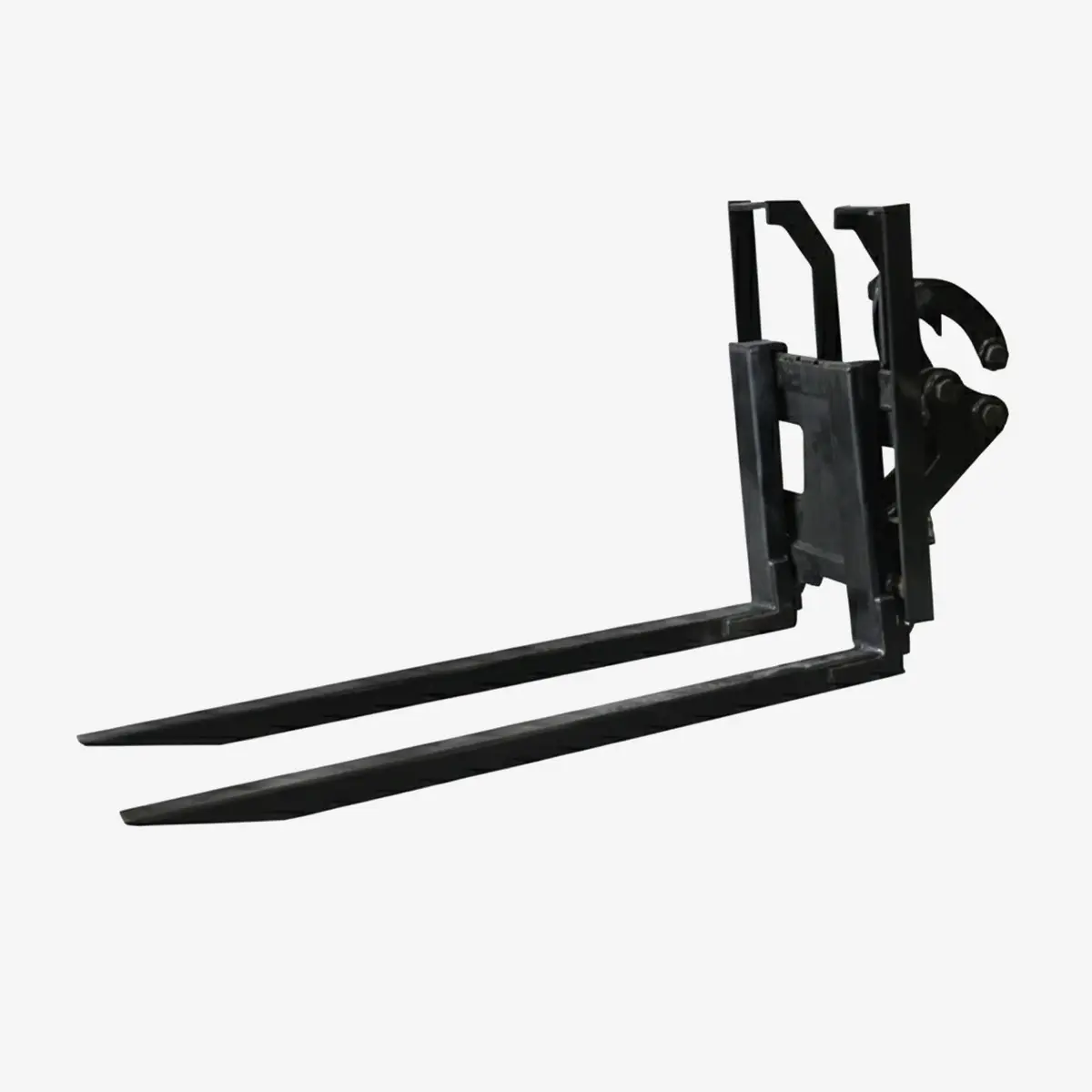
03 / Specs, Parts & Accessories
Operation Videos
This video shows the core operating functions of the excavator, including boom lifting, bucket digging, slewing and traveling operations, intuitively presenting its flexible performance and stable working capacity.
It is suited to localized digging, soil shaping and shallow trench work where a compact tracked machine can be positioned close to the intended work edge.
The enclosed operator station contains the visible control layout used to coordinate the articulated boom, dipper and bucket through their existing pivots.
The crawler undercarriage provides broad ground contact, while the front blade can assist with orderly material grading and work-area setup.
The compact layout supports careful placement near planting areas, utility routes and prepared surfaces when the work area is assessed before operation.
Confirm the intended task, required access space, preferred configuration and the actual ground conditions so the machine can be matched to the planned work.
 Simplified explanation