


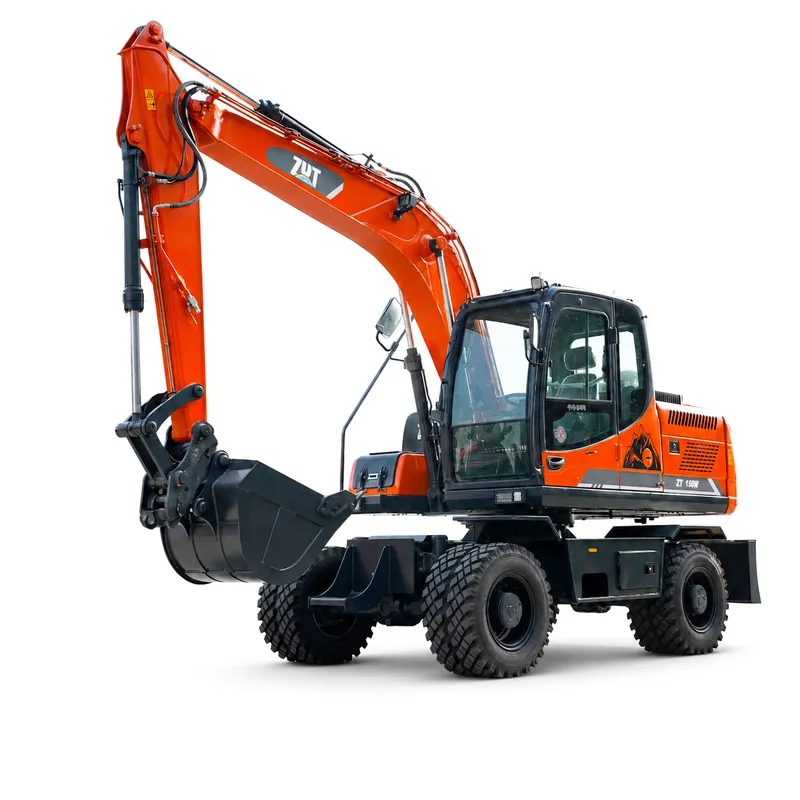
Wheeled Excavator
ZT150WWheel-type excavator | Outstanding multi‑attachment compatibility and compact operation
View Details→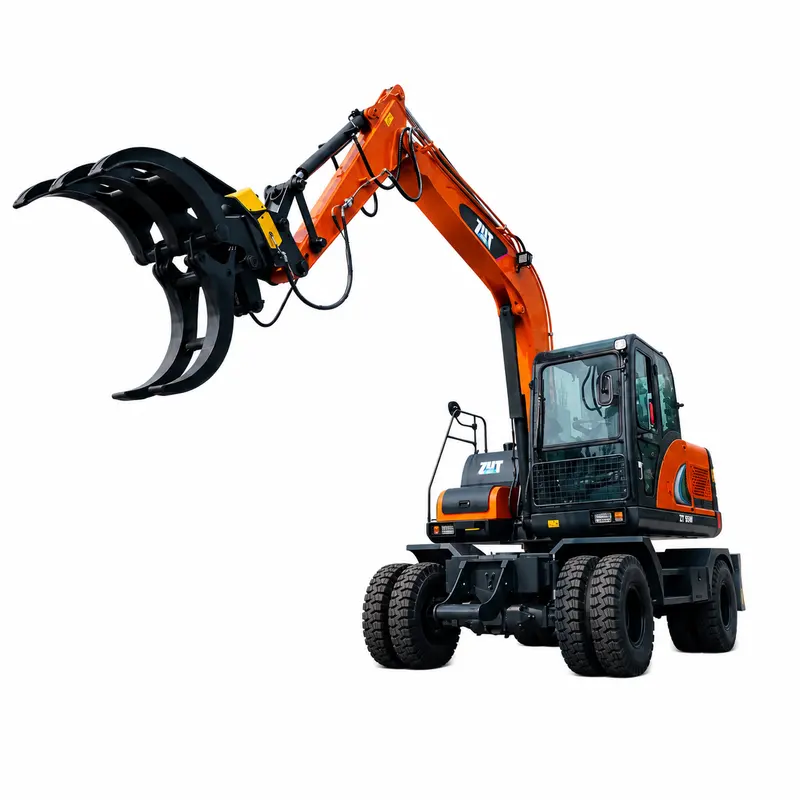
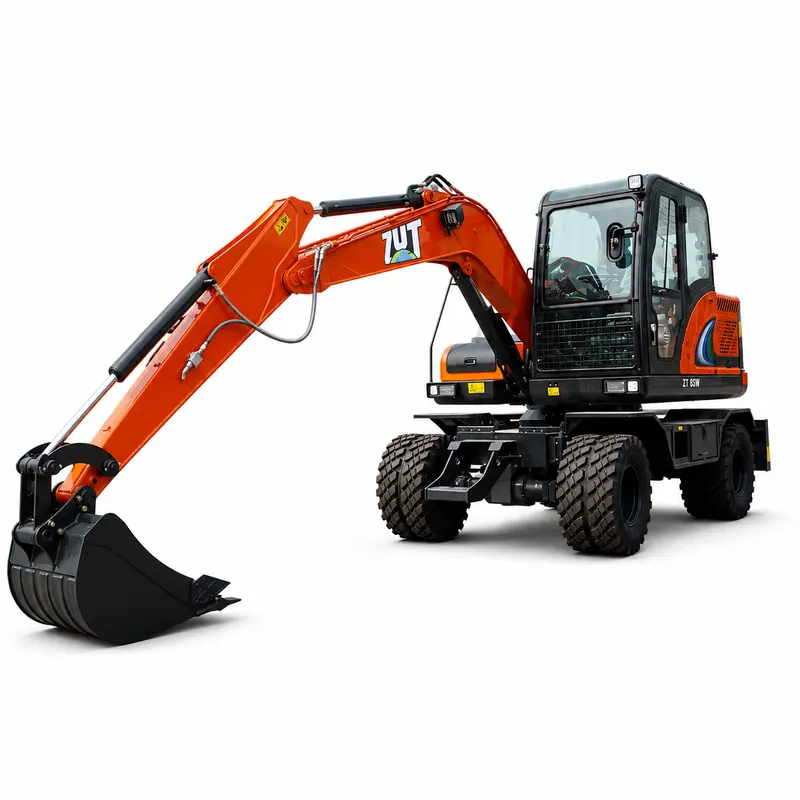
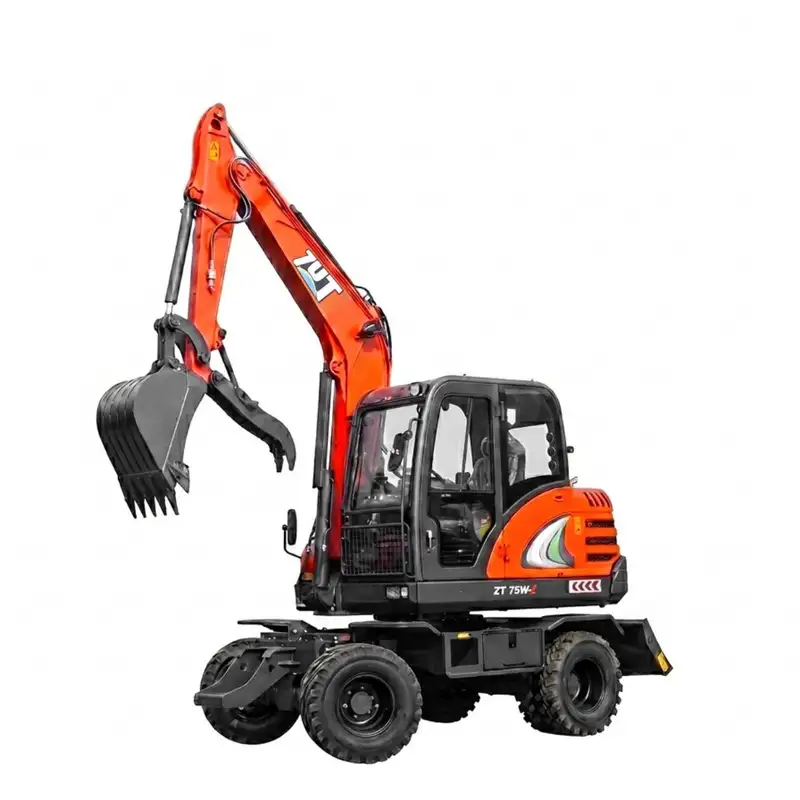
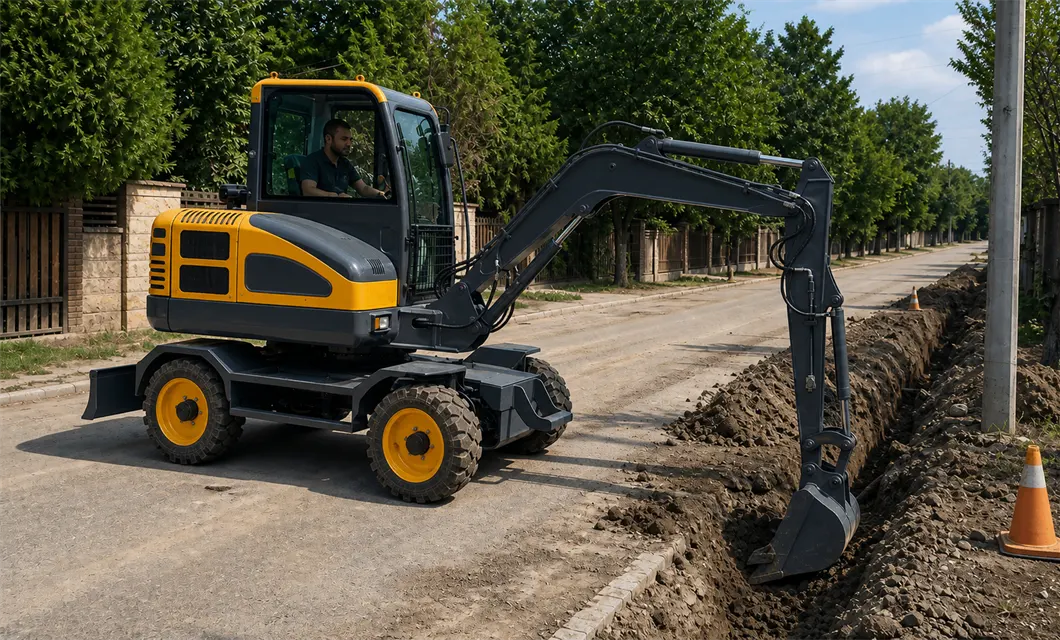 municipal-drainage-trenching
 orchard-drainage-maintenance
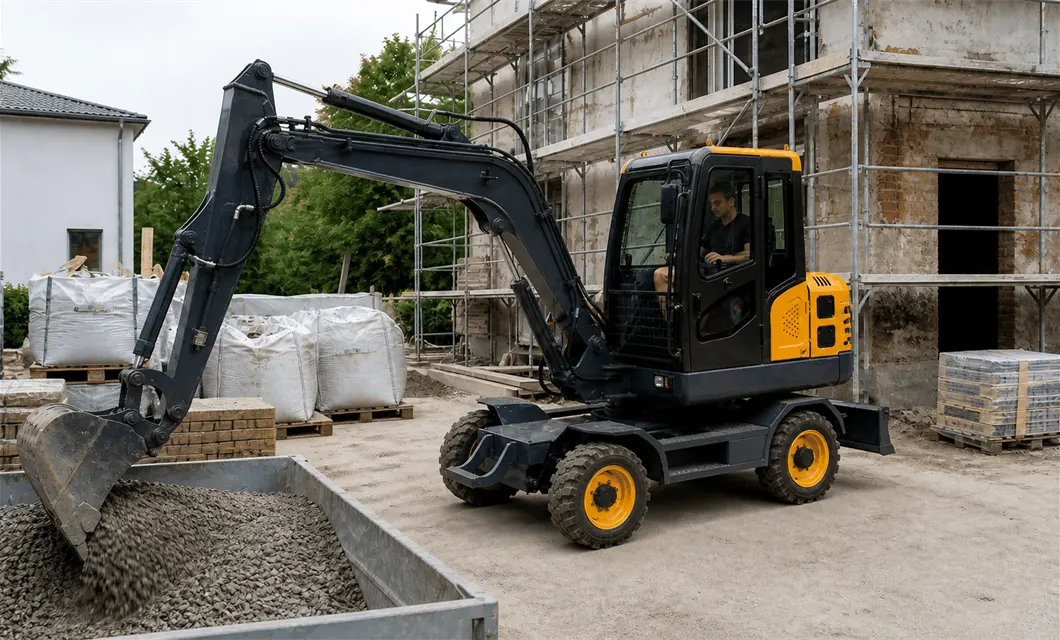 renovation-material-loading
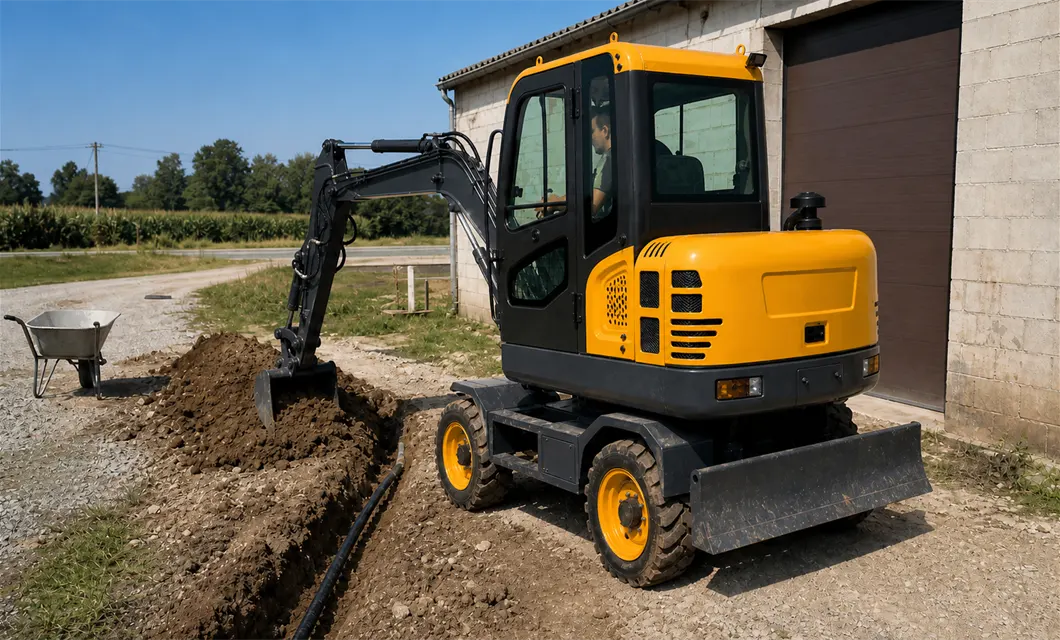 rural-utility-trenchingmunicipal-drainage-trenchingorchard-drainage-maintenance
01 /Description
Construction, Earthmoving and Site Operations with LW-55 wheeled excavator
LW-55 wheeled excavator is suited to construction sites, utility work, landscaping and earthmoving projects. It supports excavation, compaction, drilling or site preparation matched to access, ground and workload. Before deployment, confirm operating weight, working range, power, ground pressure, attachment needs and transport limits.
Combined with rotation, the working mechanism allows multi-directional digging and material placement, minimizing frequent machine adjustments and suiting confined construction sites.
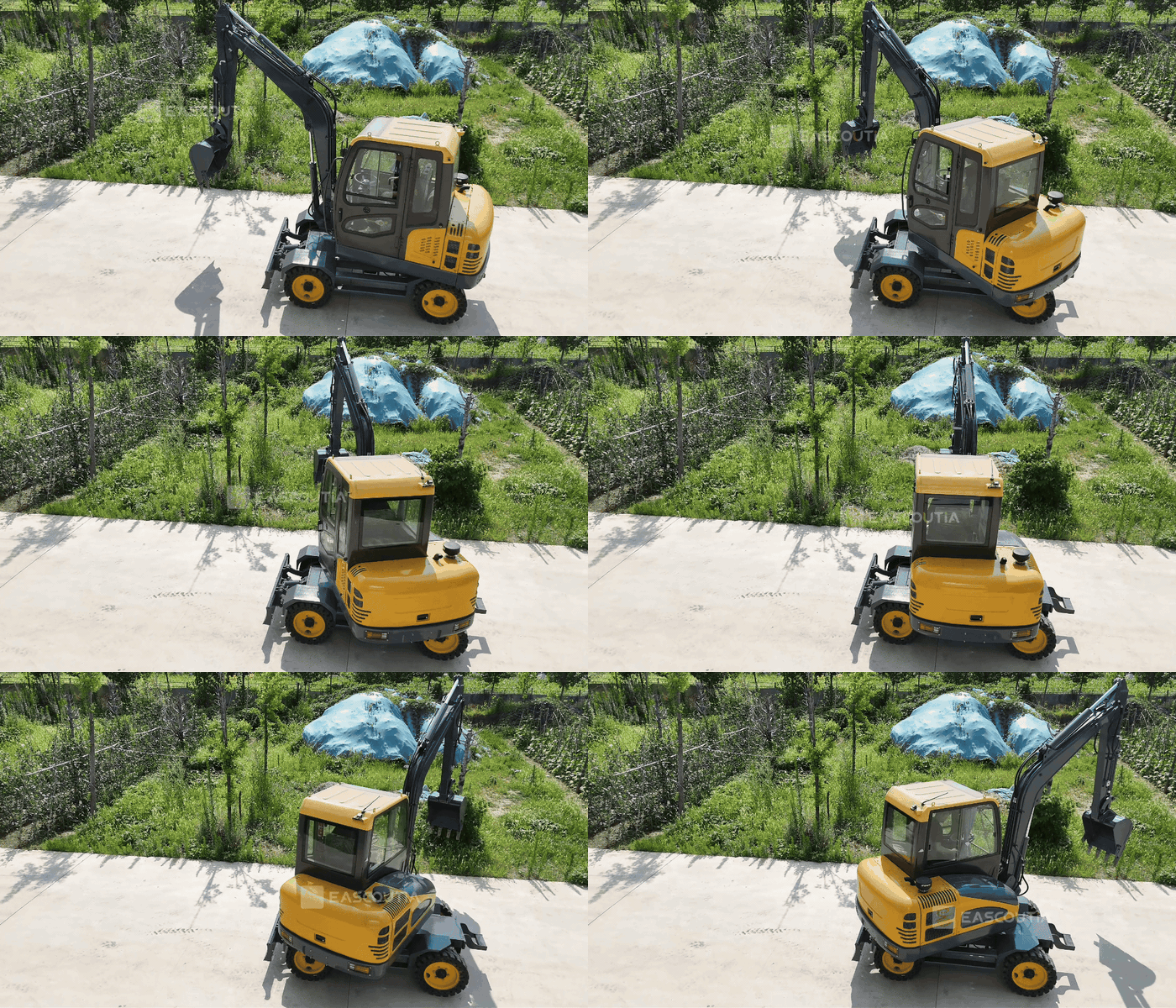
02 / Specs & Parts
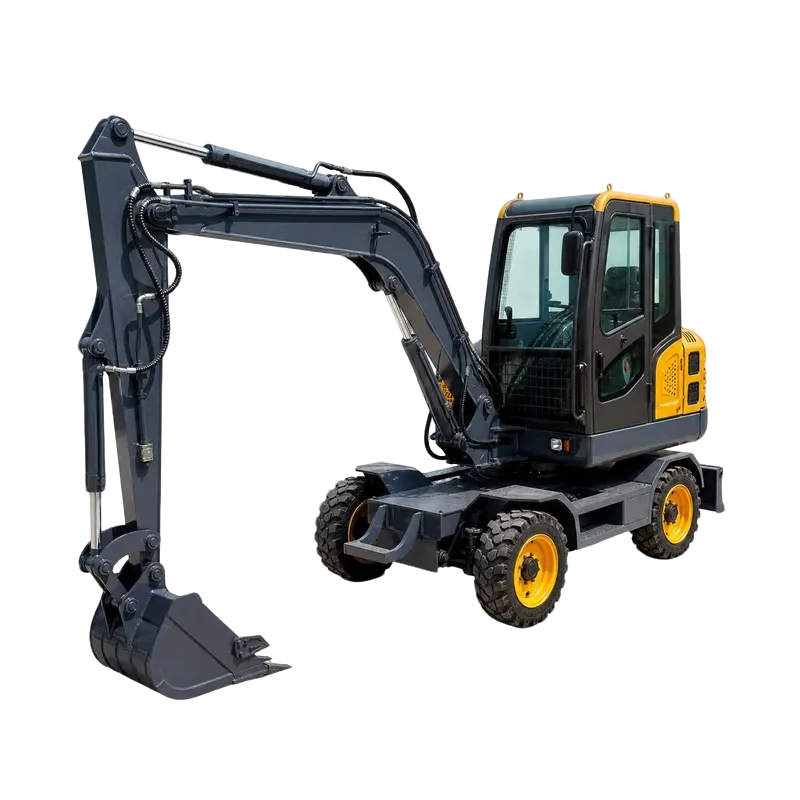
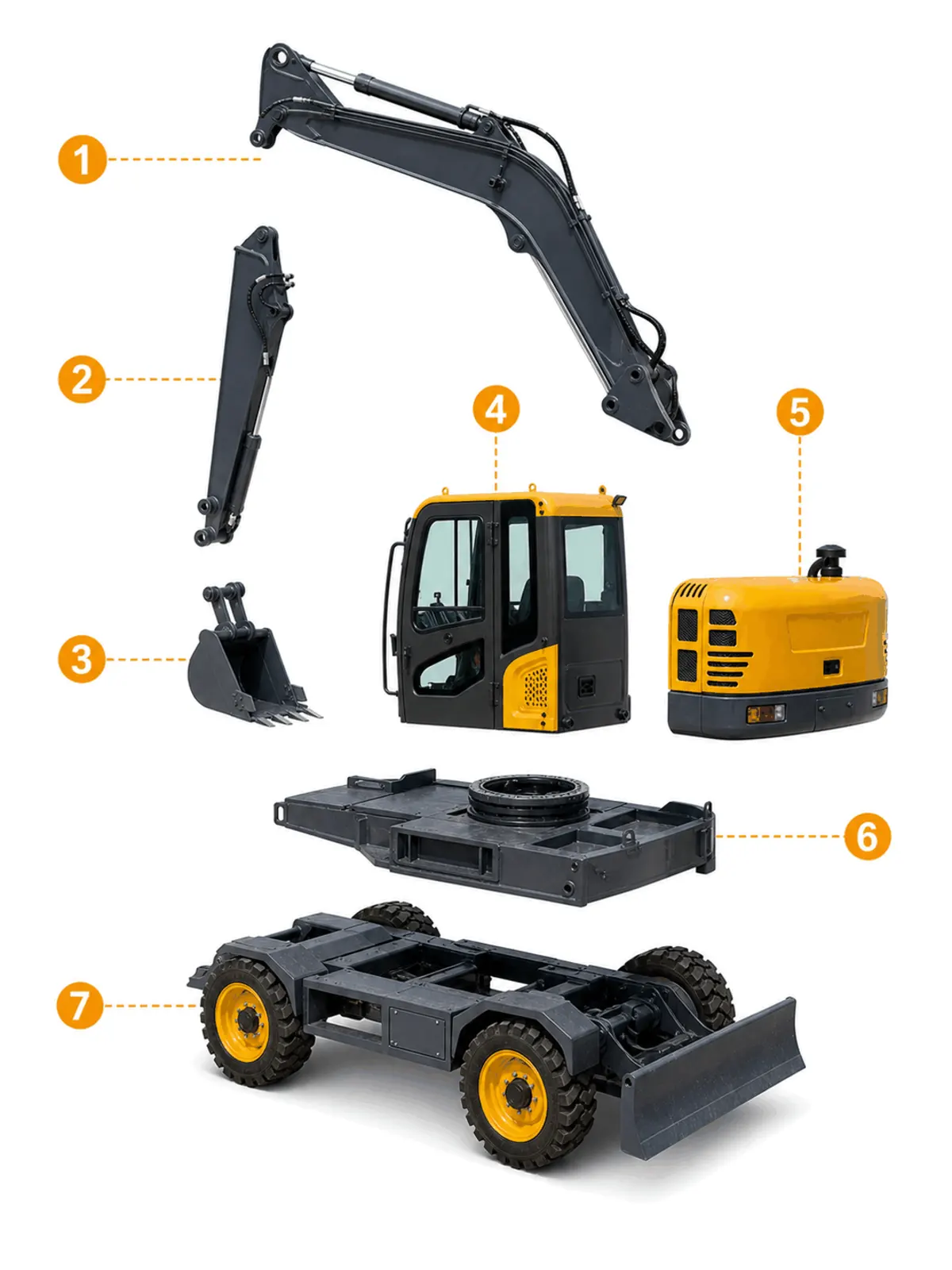
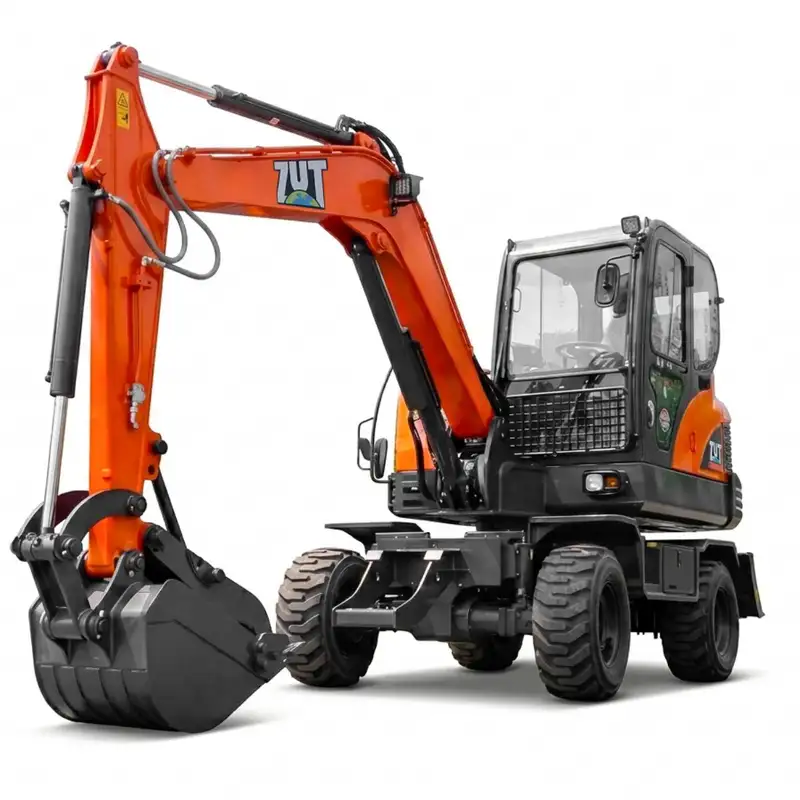
The curved main boom carries its confirmed cylinder and hose routing to position the outer working arm.
The narrower outer stick links the main boom to the bucket and transfers controlled digging movement.
The toothed bucket and visible linkage engage soil and translate hydraulic motion into excavation work.
The glazed cab houses the seat and controls while providing the operator with protected work visibility.
The rounded exterior housing encloses the rear power area and retains the confirmed ventilation layout.
The upper frame supports the cab, rear housing, and boom base while enabling working-area rotation.
The four-wheel chassis supports travel and ground contact, with the attached blade aiding site positioning.
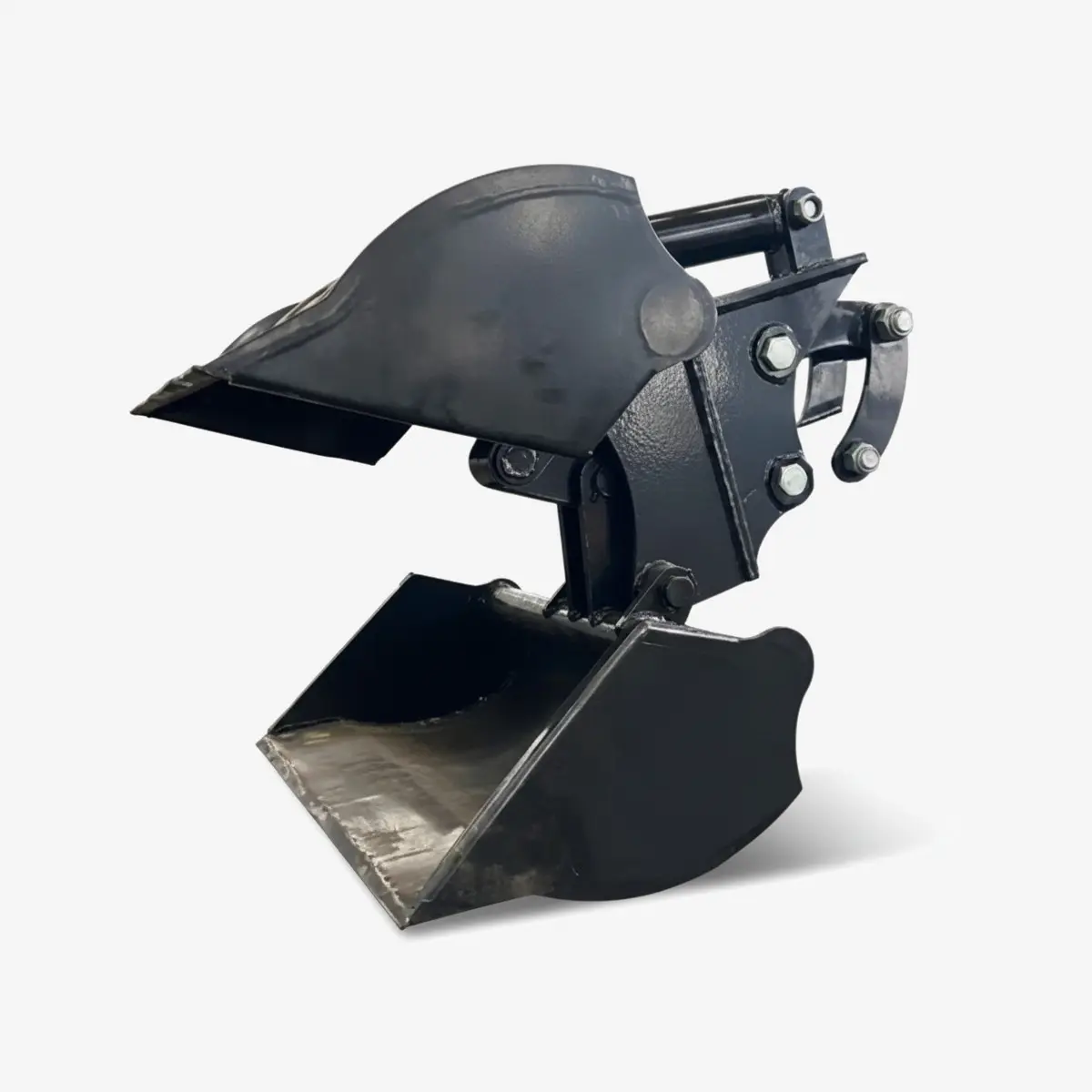
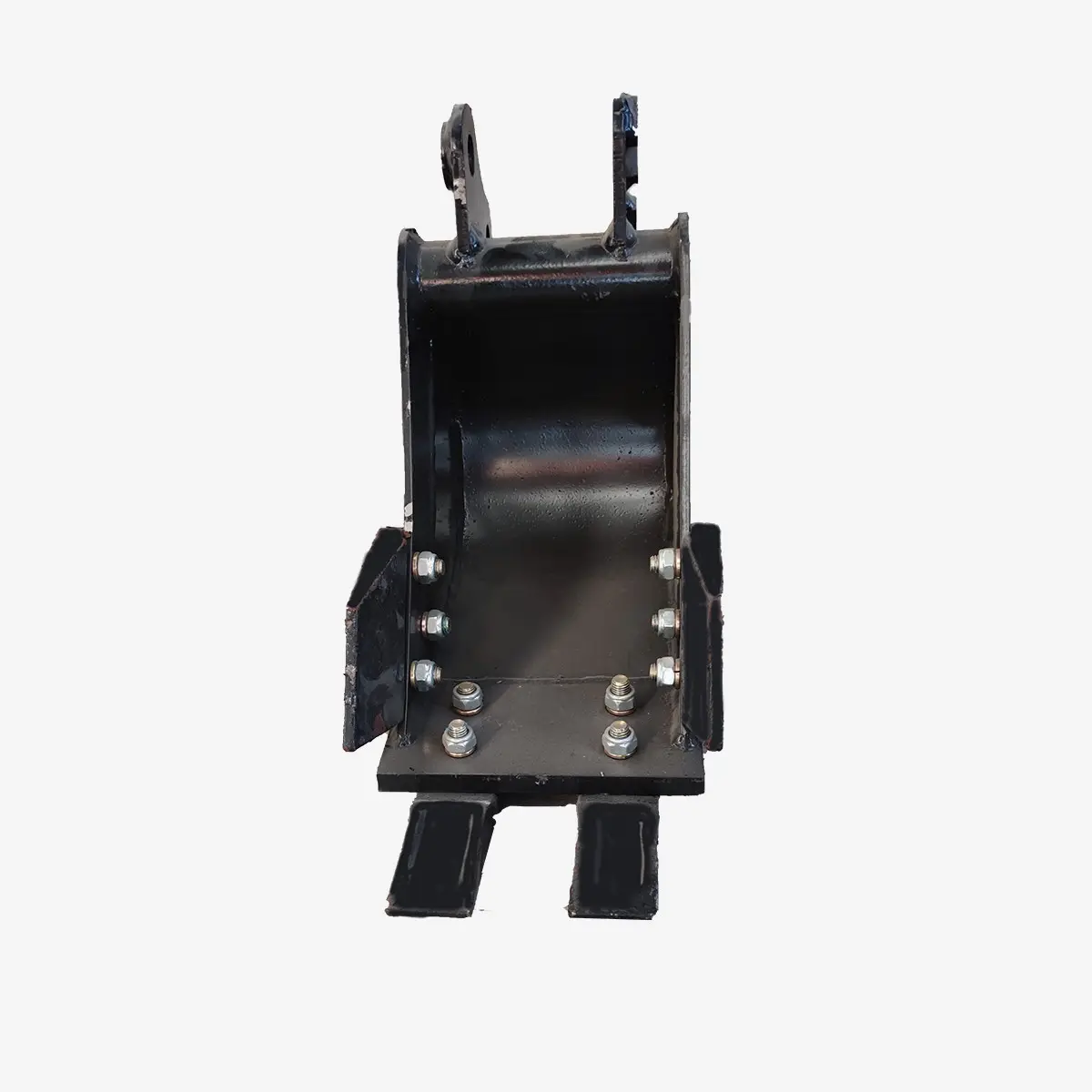
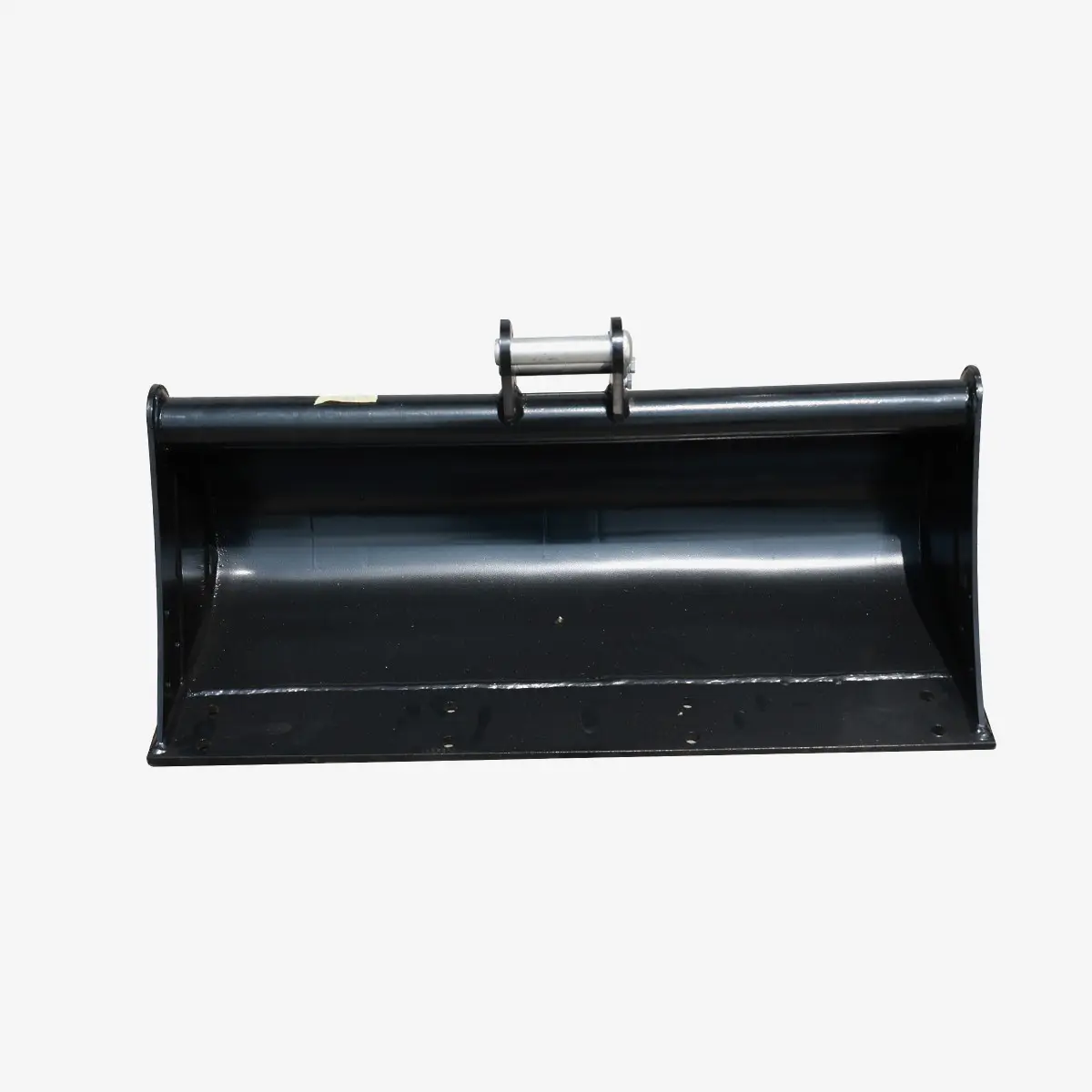
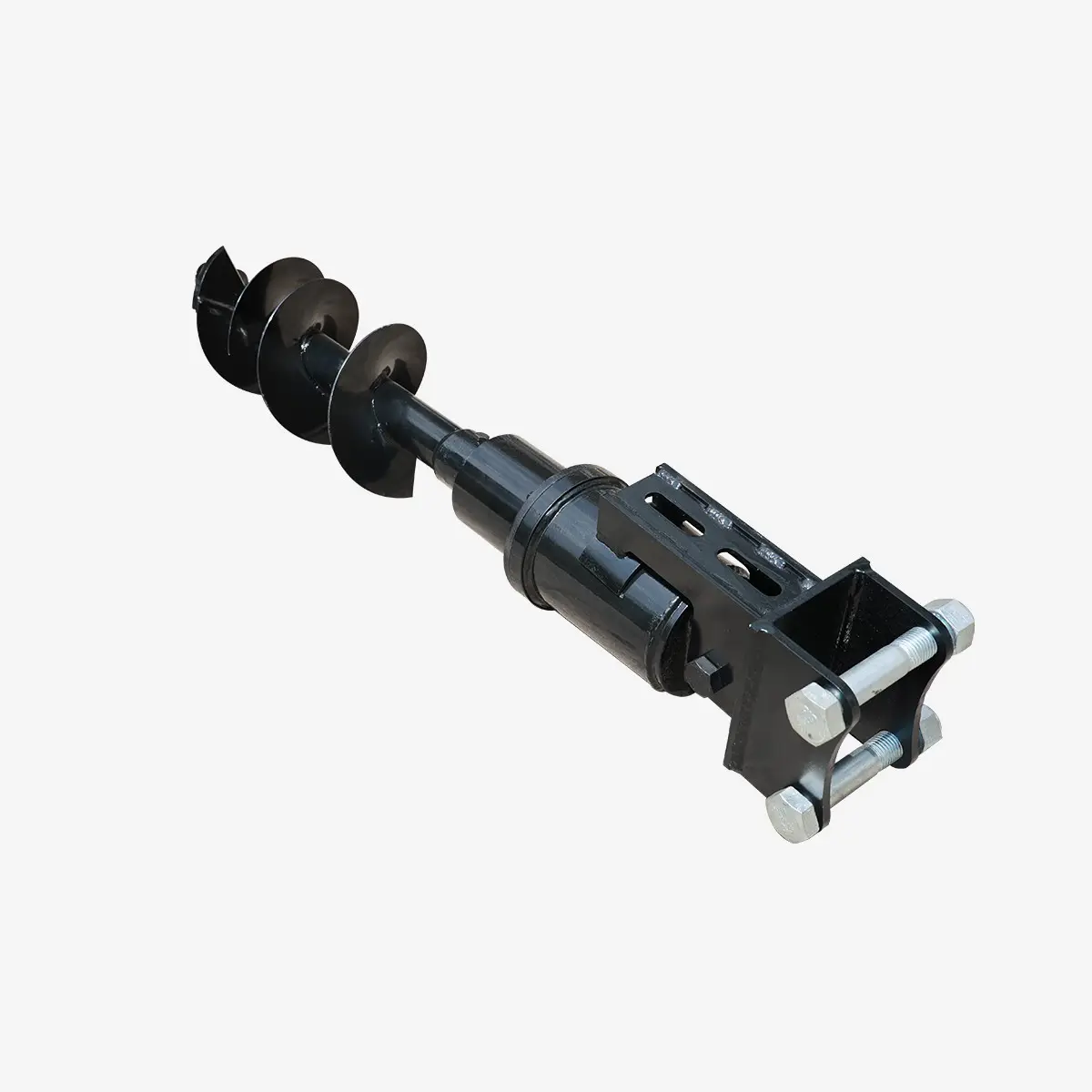
03 / Specs, Parts & Accessories
Video Showcase
LW-55 display. Compact structure, sturdy frame and flexible steering for material handling on construction sites.
Video Showcase · 00:42LW-55 display. Compact structure, sturdy frame and flexible steering for material handling on construction sites.
Operation Videos · 00:25LW-55 operation. Easy operation, smooth lifting and unloading for efficient material handling.
Service Videos · 00:38Finished wheel excavators are moved to the yard, forklifts load wooden cases, then machines drive into the container and crews secure them inside — smooth, professional shipping.
Real on-site records from our factory, offering a practical view of our production capability and delivery readiness.
04/ Product Review
Product Review
We centrally purchase equipment, test the data and the machine, then publish the models that clear our review. You get a shorter path from "could work" to a quote your team can act on.
1. It is commonly used for construction sites, utility work, landscaping and earthmoving projects, subject to the selected model and site conditions.
2. Match operating weight, working range, power, ground pressure, attachment needs and transport limits to the actual workload and operating environment.
3. Confirm model, power, working attachment, cab or control type and spare parts, then verify the response time and any special requirements.
4. Prepare safe unloading space, stable ground, operator training and fluid, fastener and safety-device checks; follow the manual for operation, inspection and routine maintenance.
 Simplified explanation
