


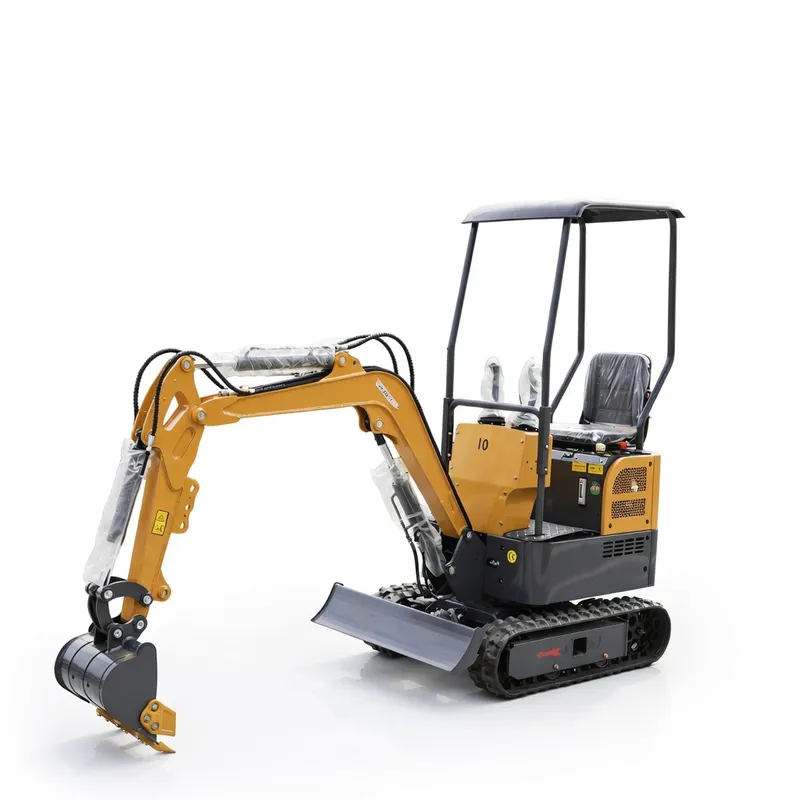
Mini Excavator
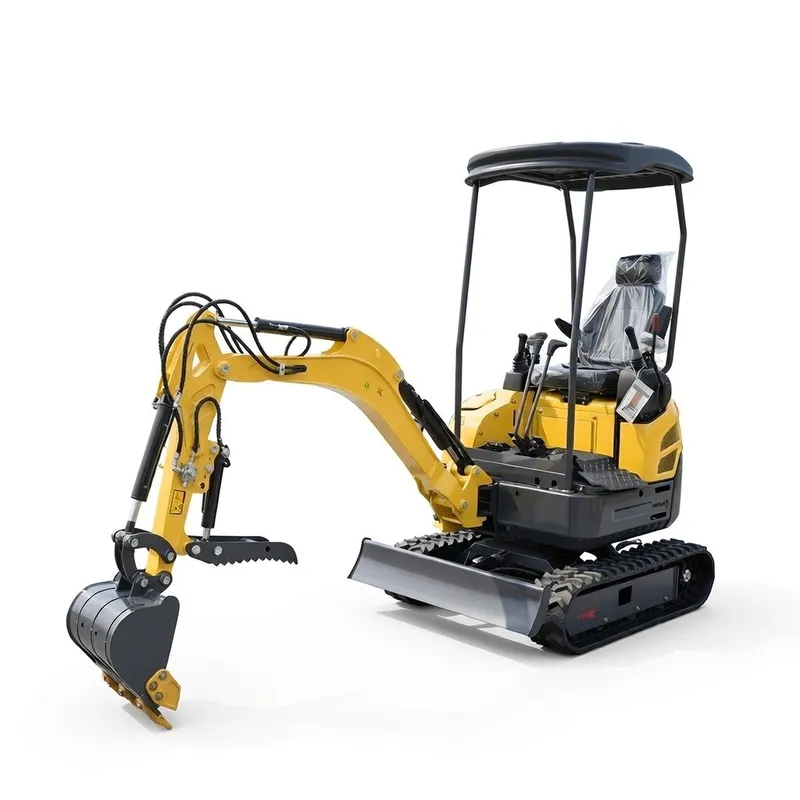
EXC011-10JLF-10 Excavator | Multi‑Attachment Compatibility | Easy Maintenance
View Details→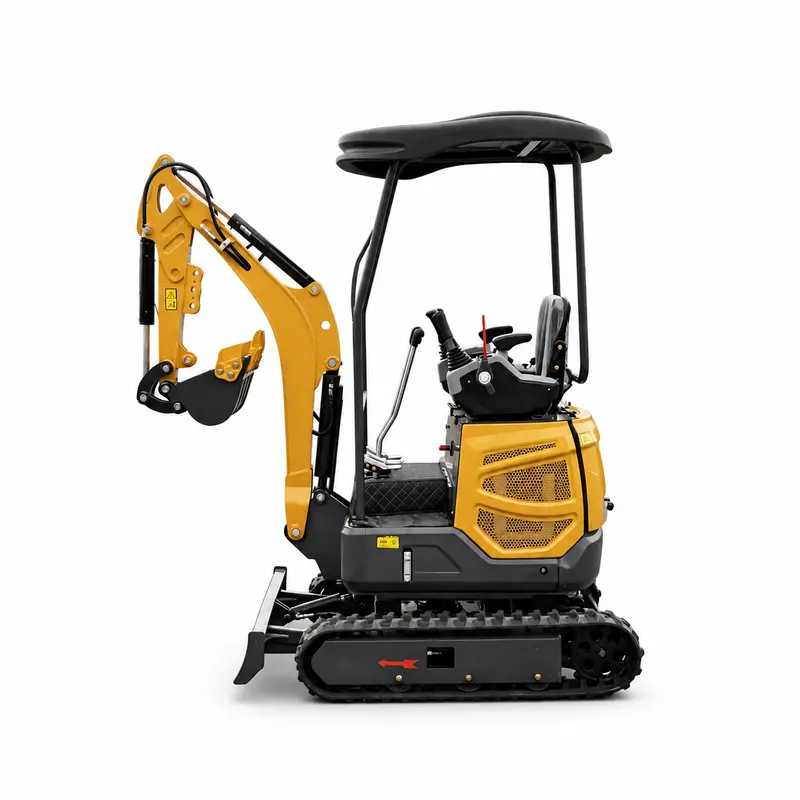
01 /Description
Construction, Earthmoving and Site Operations with Excavators
Excavators is suited to construction sites, utility work, landscaping and earthmoving projects. It supports excavation, compaction, drilling or site preparation matched to access, ground and workload. Before deployment, confirm operating weight, working range, power, ground pressure, attachment needs and transport limits.
02 / Specs & Parts
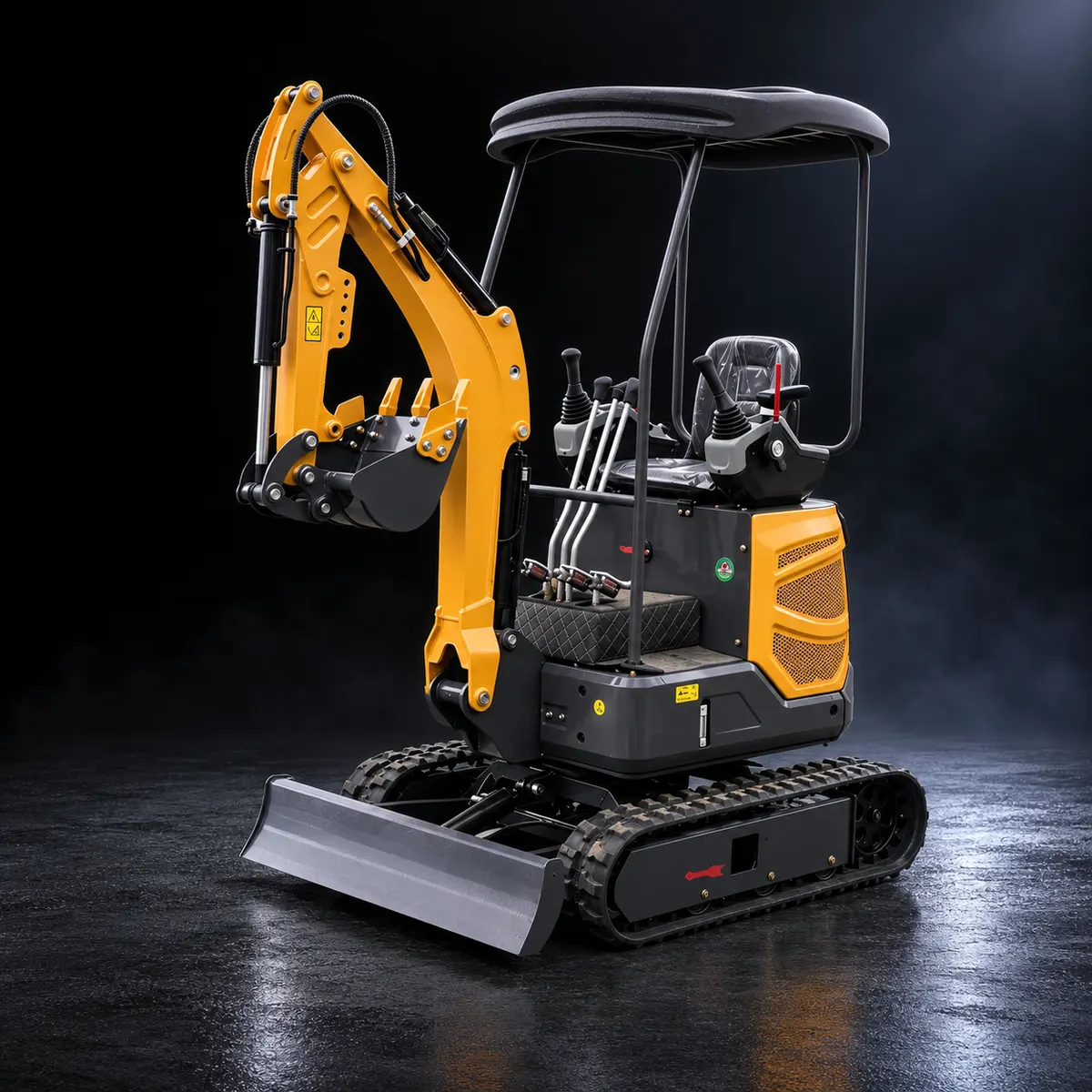
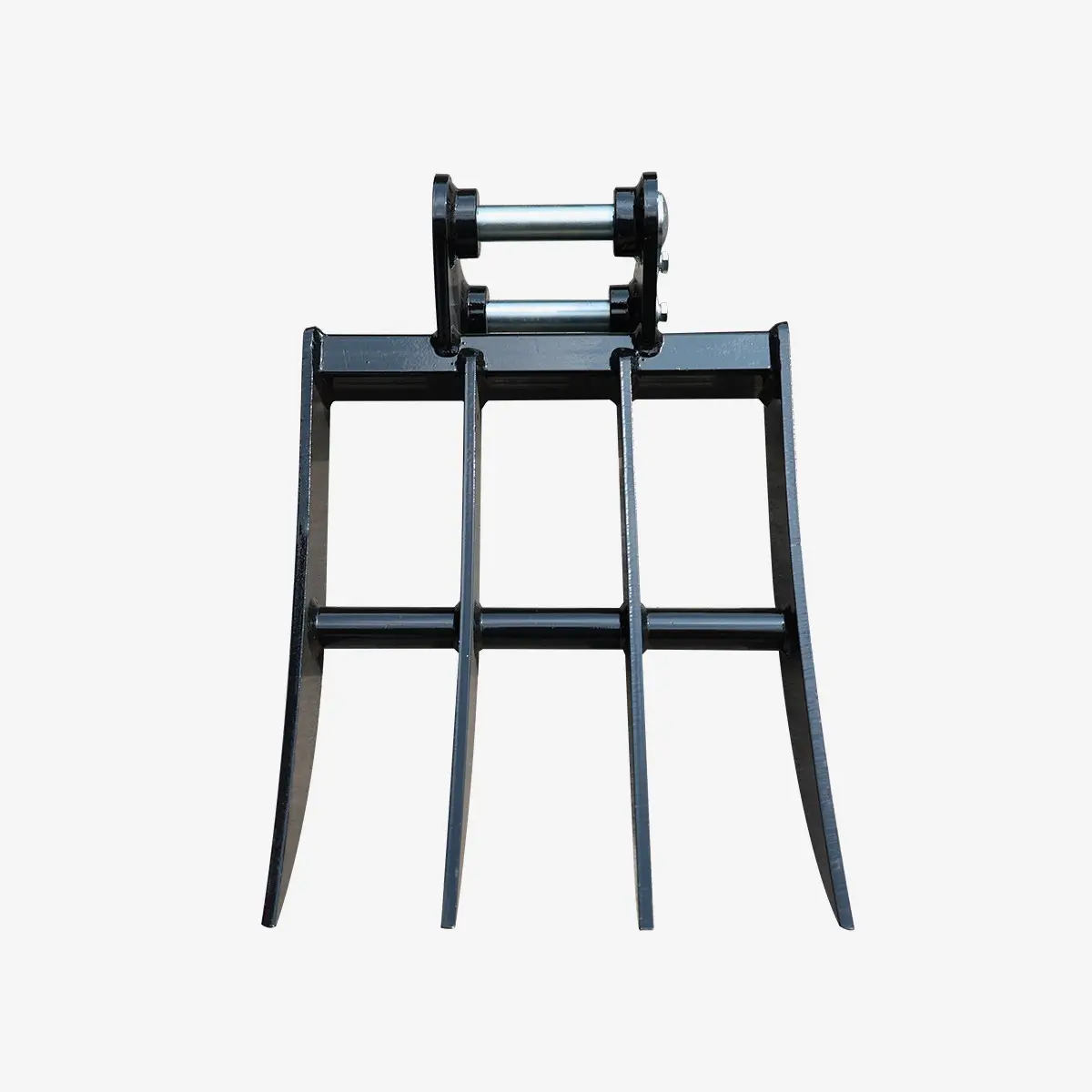
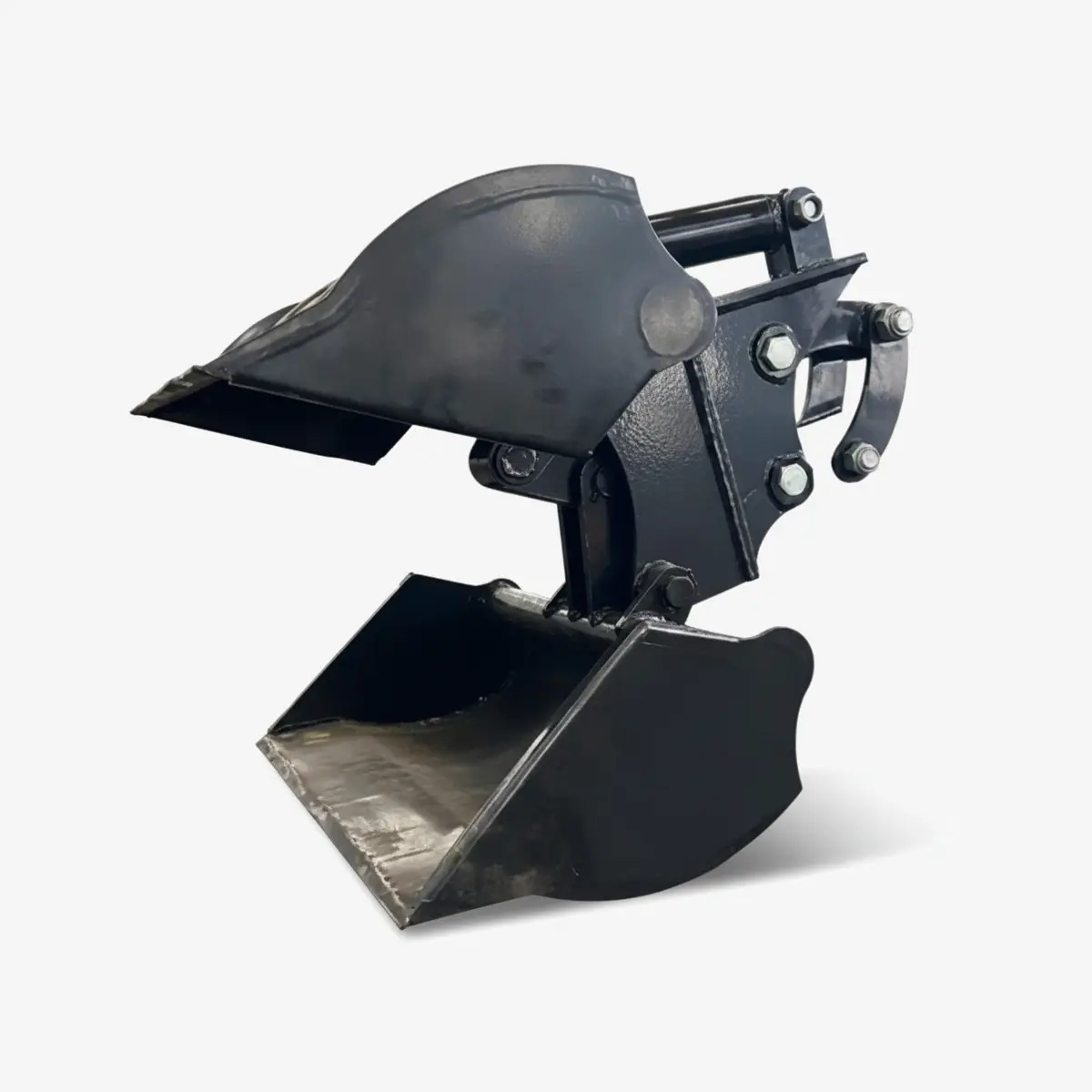
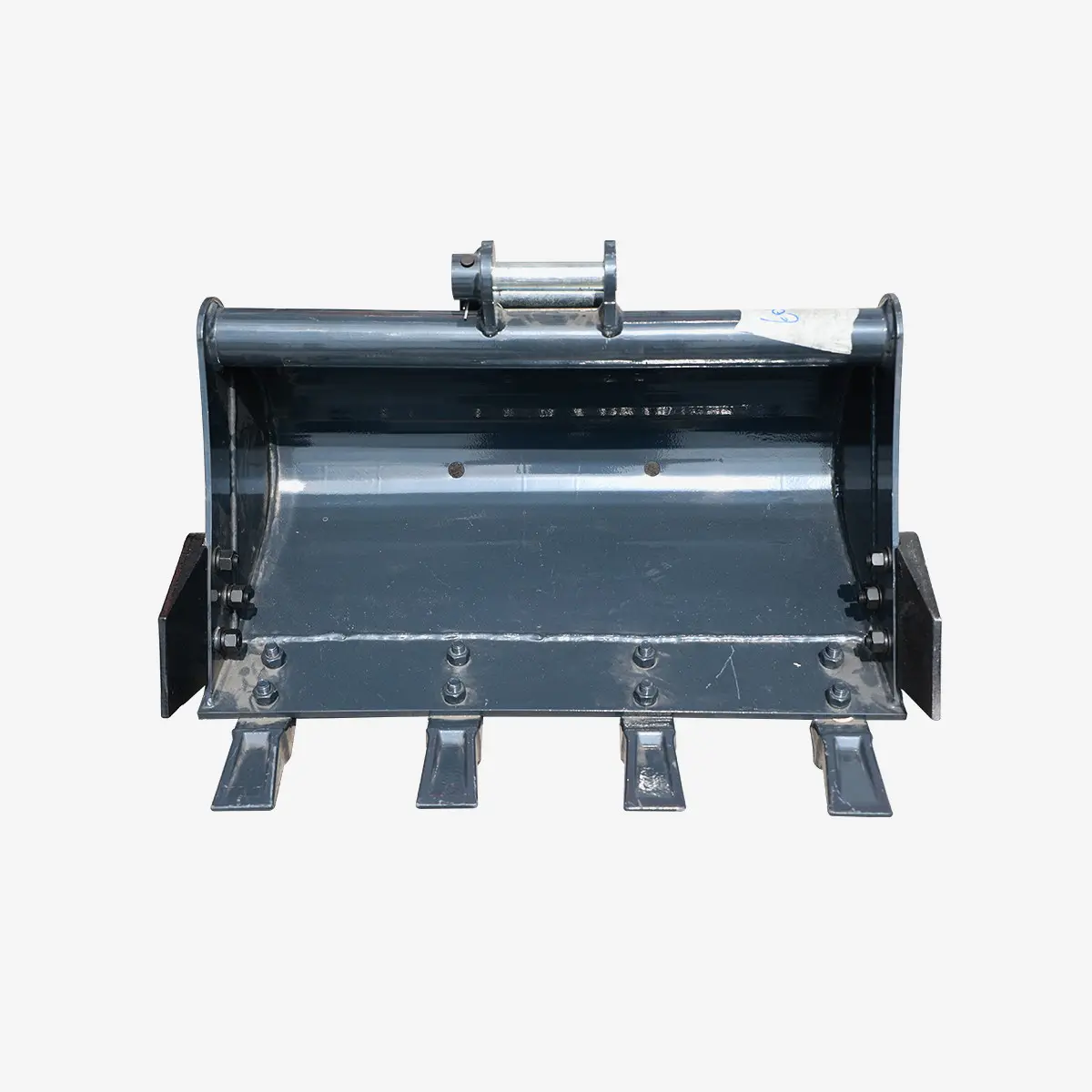
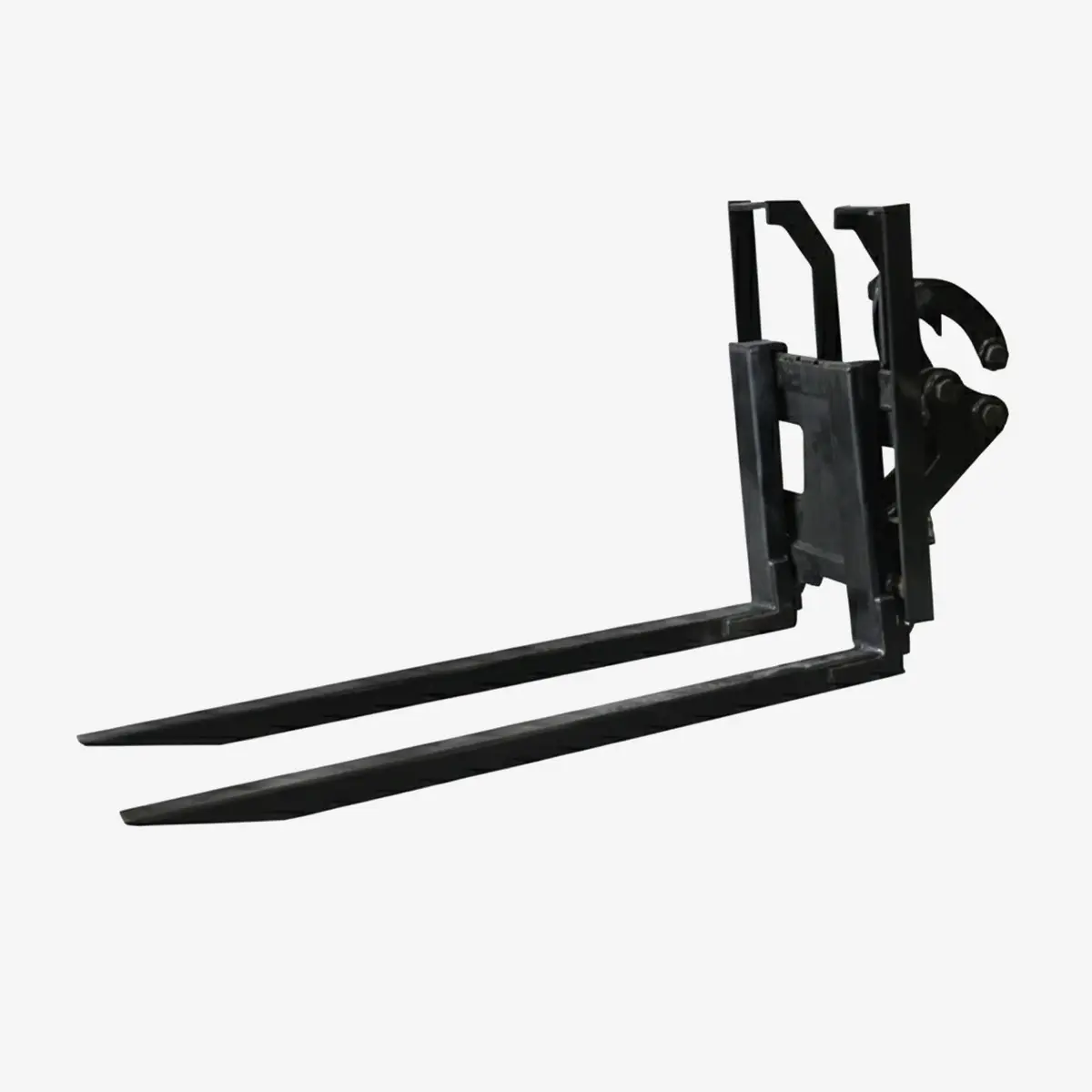
03 / Specs, Parts & Accessories
Service Videos
Excavators are sealed in wooden cases with stretch wrap, moved by forklift to the ramp and driven into the container under guidance — standardized packing and container loading for reliable delivery.
Real on-site records from our factory, offering a practical view of our production capability and delivery readiness.
1. It is commonly used for construction sites, utility work, landscaping and earthmoving projects, subject to the selected model and site conditions.
2. Match operating weight, working range, power, ground pressure, attachment needs and transport limits to the actual workload and operating environment.
3. Confirm model, power, working attachment, cab or control type and spare parts, then verify the response time and any special requirements.
4. Prepare safe unloading space, stable ground, operator training and fluid, fastener and safety-device checks; follow the manual for operation, inspection and routine maintenance.
 Simplified explanation