


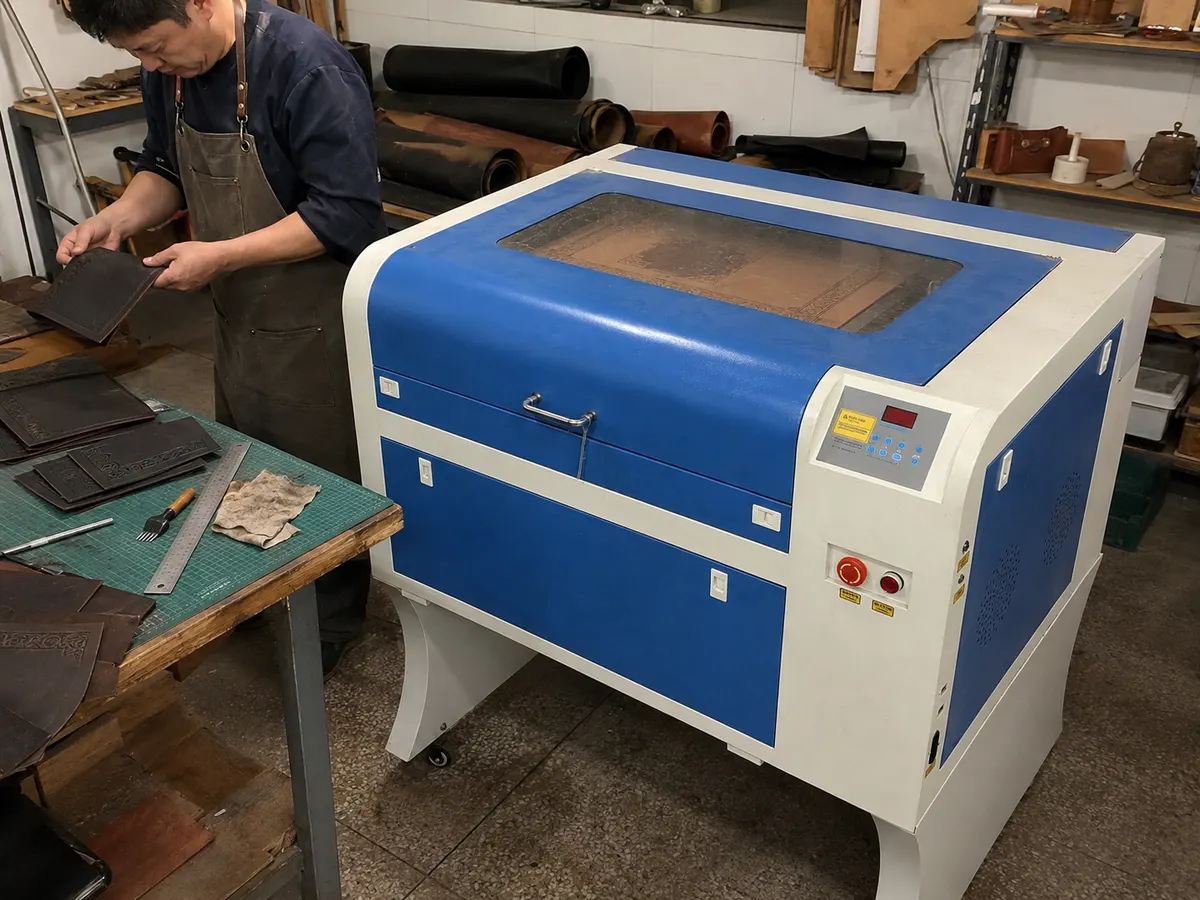
 Leather pattern engraving
 Wooden craft carving
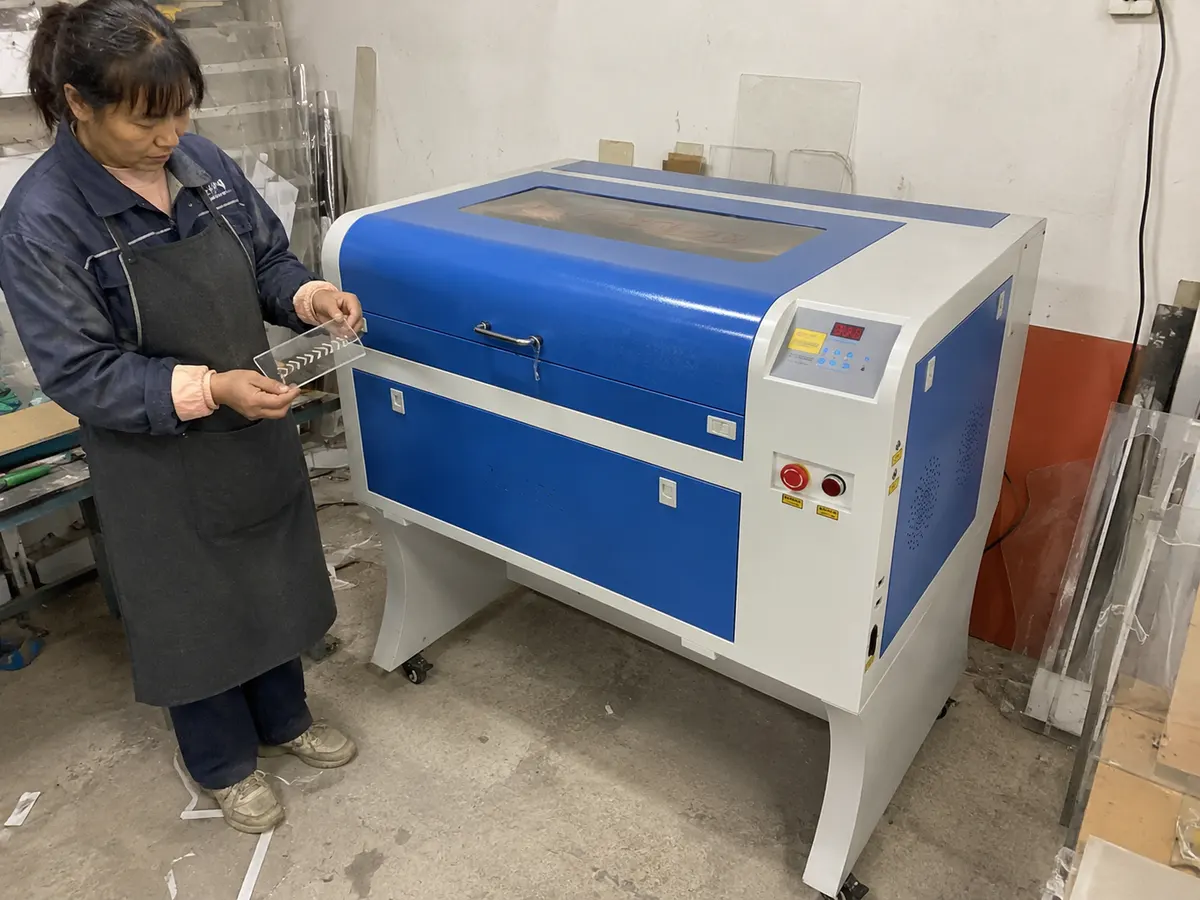
 Acrylic sign fabricationLeather pattern engraving
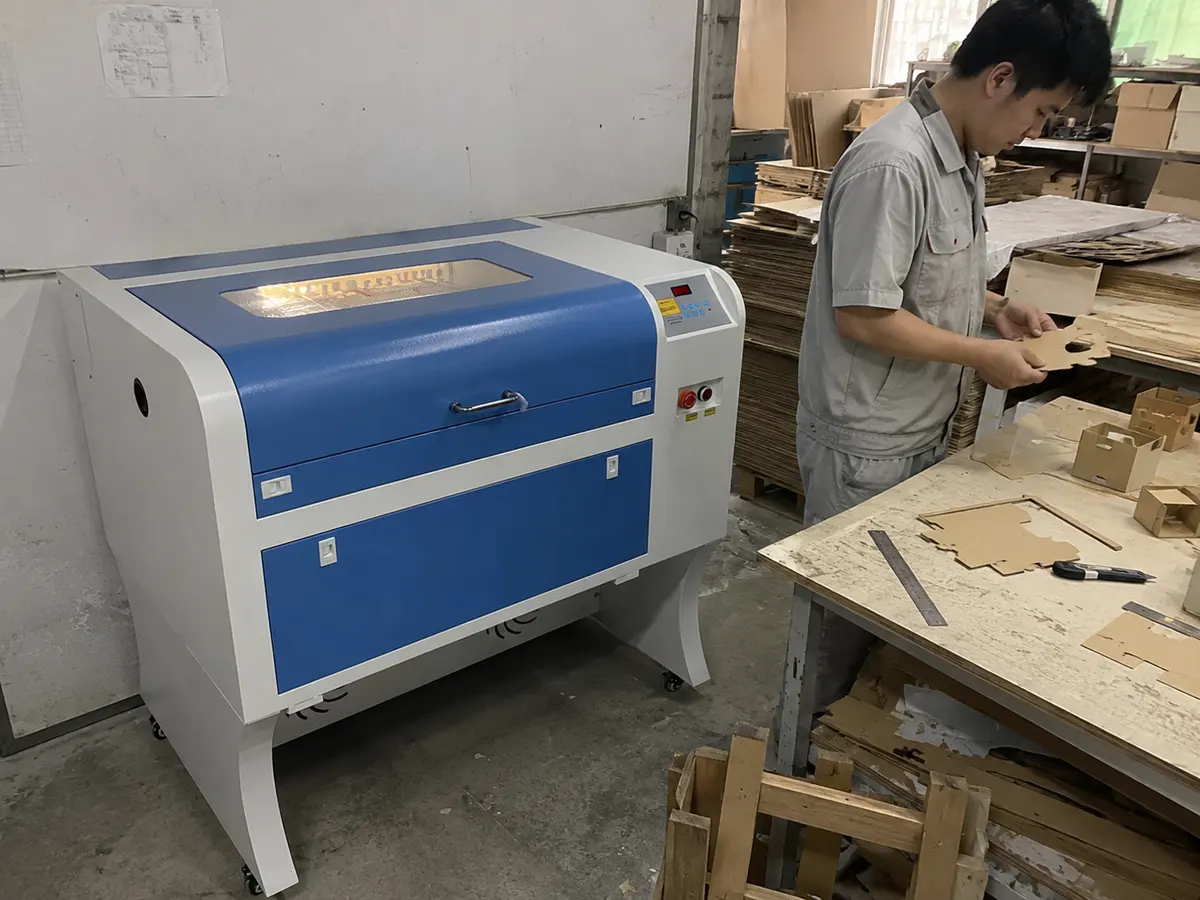 Packaging material samplingWooden craft carvingAcrylic sign fabrication
01 /Description
Professional application of 4060 laser engraving machine allocation
Workshop Processing and Production-Line Use with 4060 laser engraving machine allocation
4060 laser engraving machine allocation is suited to factories, fabrication shops, production cells and custom-processing workshops. It supports repeatable cutting, forming, marking, sealing, conveying or processing with defined materials and throughput. Before deployment, confirm material type, work size, capacity, accuracy, speed, control method, power and extraction needs.
Product Advantages
Combined with rotation, the working mechanism allows multi-directional digging and material placement, minimizing frequent machine adjustments and suiting confined construction sites.
02 / Specs & Parts
Specifications & Structural Decomposition
Product Structure Diagram

- Working Area/mm
- 400*600mm
- Product Description
- This equipment is suitable for: wood, plywood, bamboo products, corrugated cardboard, slate, fabric, leather, acrylic, PMMA, PVC and other rubber and plastic products, and non-metallic materials for surface marking and cutting
- Light Source
- Dedicated CO2 laser tube
- Power
- 80W
- Applicable Materials
- wood, plywood, bamboo products, corrugated cardboard, slate, fabric, leather, acrylic, PMMA, PVC and other rubber and plastic products, and non-metallic
- Standard Color
- White&Blue
General information
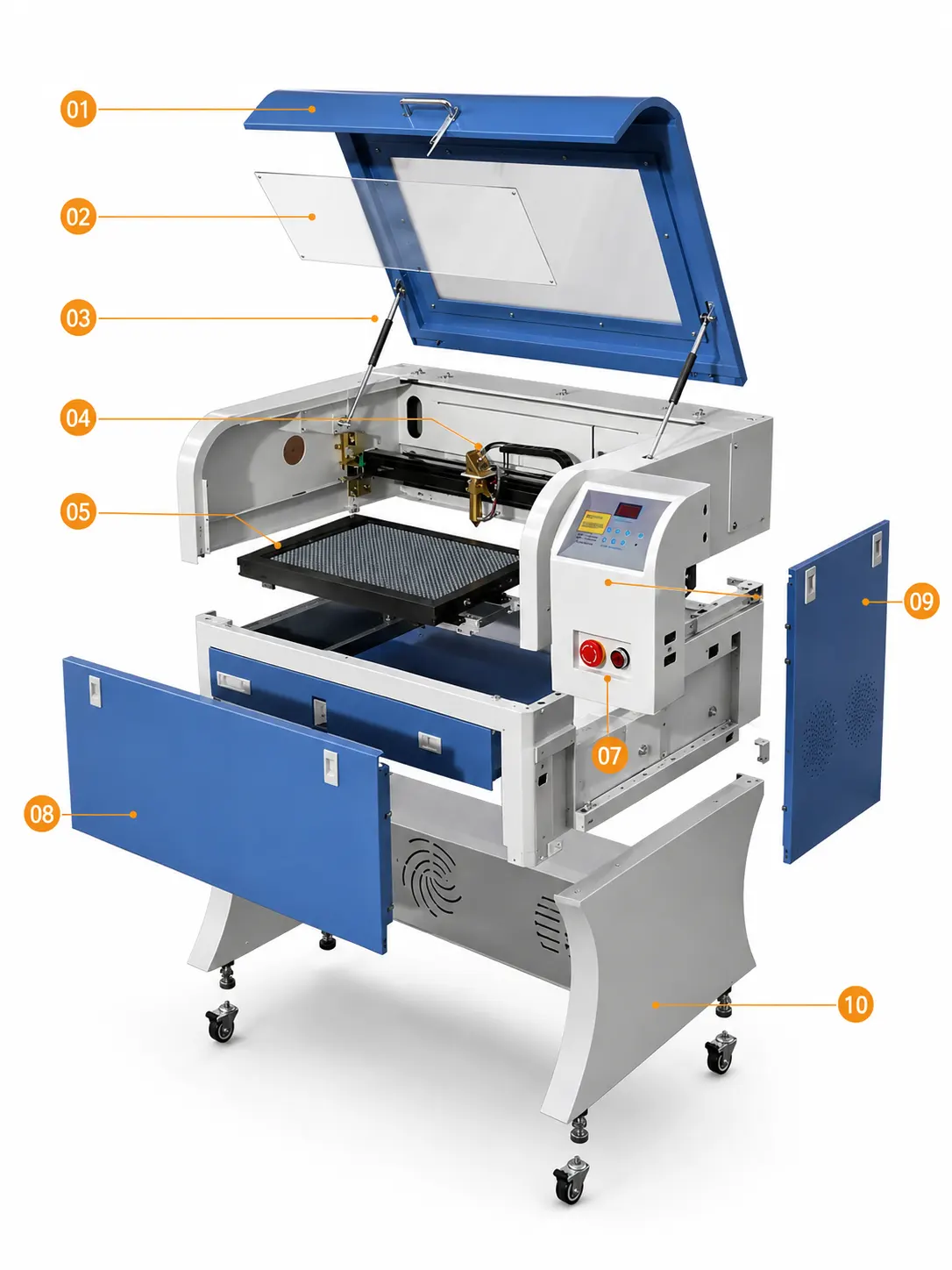
- 1. Hinged protective canopy
The blue metal cover seals the processing area, minimizing the escape of laser light, fumes, and debris and enhancing the safety of equipment.
- 2. Transparent observation window
The transparent protective window allows operators to monitor the internal engraving or cutting process, enabling them to keep track of the machining.
- 3. Gas spring support rod
Two side gas springs provide support and cushioning for the hood’s opening, ensuring smoother lifting and lowering and reducing the risk of.
- 4. Laser Head and Motion Components
The laser head is mounted on a lateral guide mechanism, enabling precise movement along a predefined path and ensuring accurate positioning for.
- 5. Honeycomb Work Platform
The honeycomb worktable supports the workpiece, reducing laser reflection and back-side scorch while facilitating downward exhaust of fumes.
- 6. Operation Control Panel
It integrates a display screen and parameter control buttons for setting the processing speed, power, and operating mode, offering centralized and.
- 7. Start and Emergency Stop Buttons
The red emergency stop button and control switch are used to start, stop, and perform emergency power-off of the equipment, enabling convenient and.
General instructions
 Simplified explanation
03 / Specs, Parts & Accessories
Visuals & Product Inspection
Product Video
Video Showcase
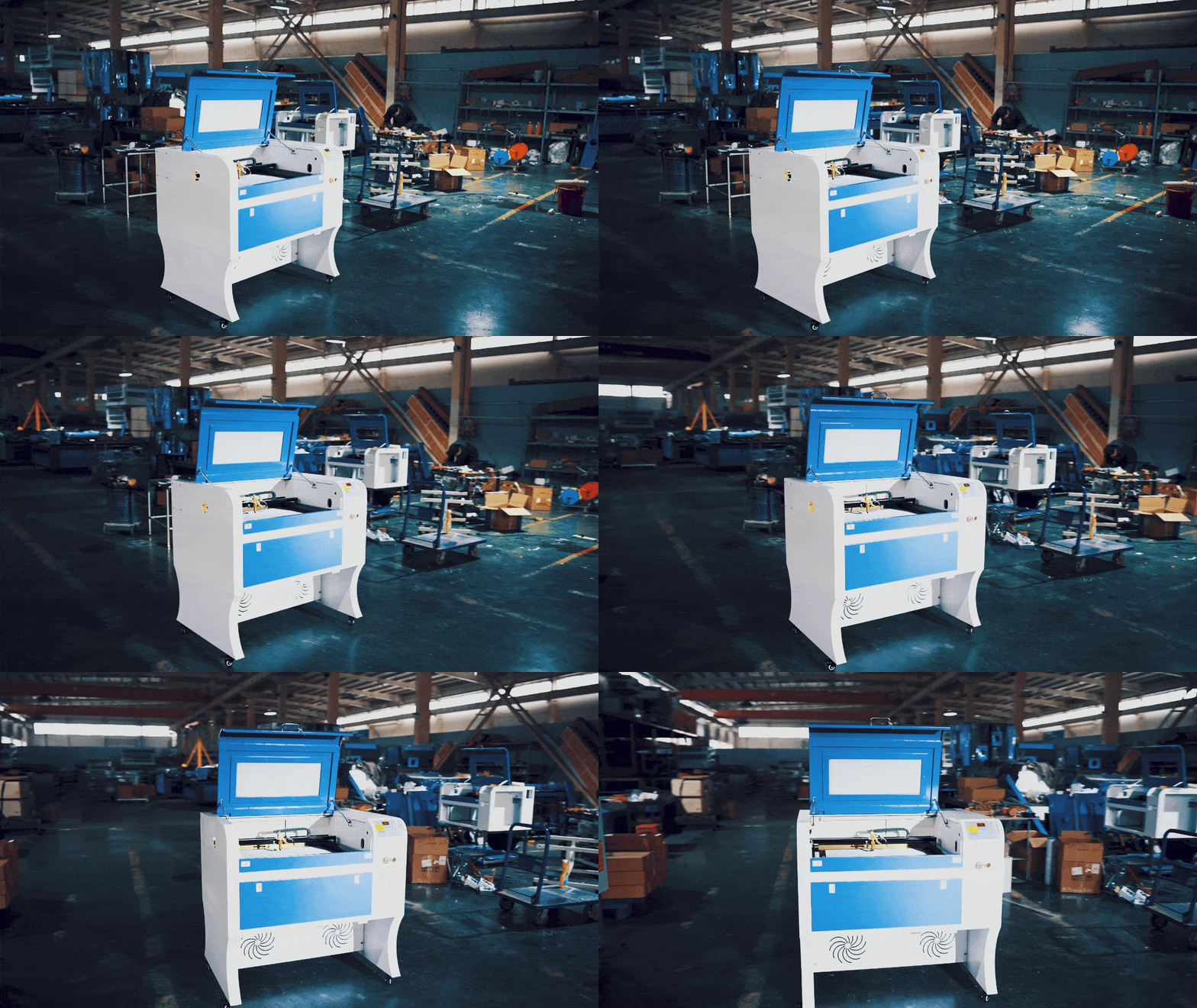
Appearance display of GE-4060A
A still tour of the body—every detail on show.
Appearance display of GE-4060A
Video Showcase · 00:19A still tour of the body—every detail on show.
Product packaging
Service Videos · 00:37Reinforced wooden crate with foam corner guards, engine dust-wrapped, body palletized with cross steel strapping—zero shift on long hauls
Real Factory Footage
Real on-site records from our factory, offering a practical view of our production capability and delivery readiness.
0:00 / 0:00
Core Component Details
Frequently Asked Questions (FAQ)
1. Where is 4060 laser engraving machine allocation typically used?
1. It is commonly used for factories, fabrication shops, production cells and custom-processing workshops, subject to the selected model and site conditions.
2. How do I choose the right model?
2. Match material type, work size, capacity, accuracy, speed, control method, power and extraction needs to the actual workload and operating environment.
3. What should be confirmed before ordering?
3. Confirm model, working area, power, tooling, control system and optional fixtures, then verify the response time and any special requirements.
4. How should it be installed and maintained?
4. Prepare rated utilities, safe operating clearance, ventilation or dust extraction and operator training; follow the manual for operation, inspection and routine maintenance.