


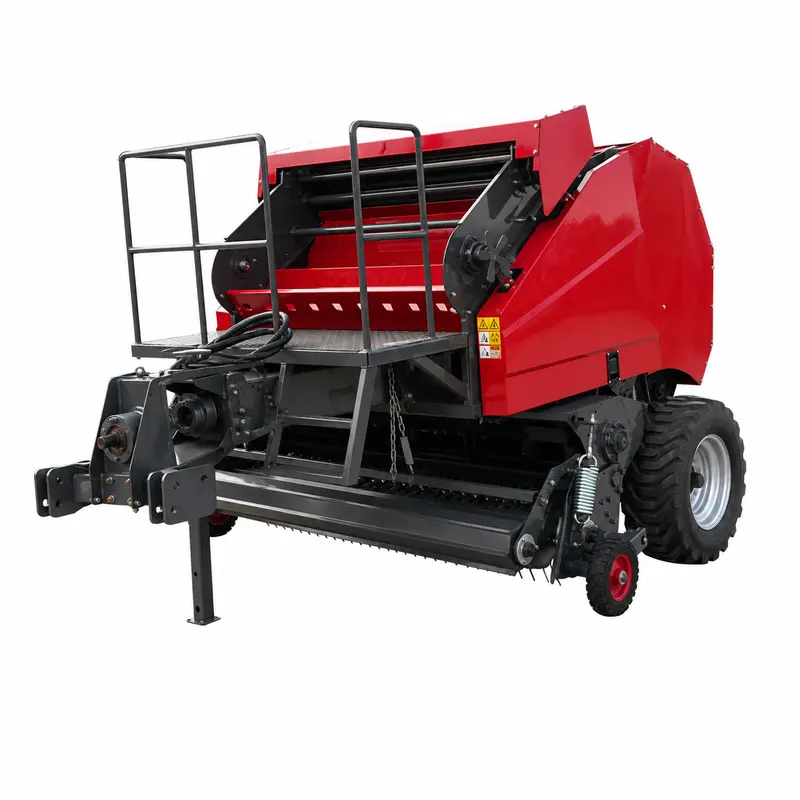
Round baler
9YQ-19509YQ-1950 Round-Bale Hay Wrapper | High Efficiency in the Field | Easy Maintenance
View Details→

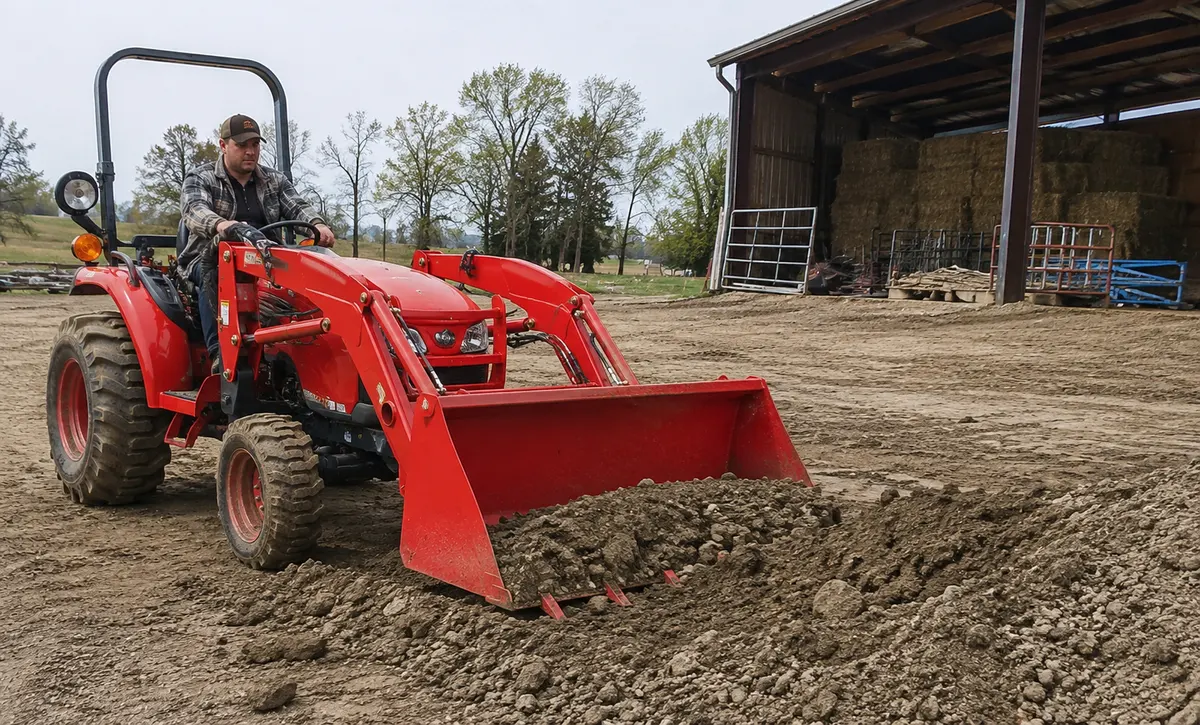 Tractor loads and levels soil around the farmyard.
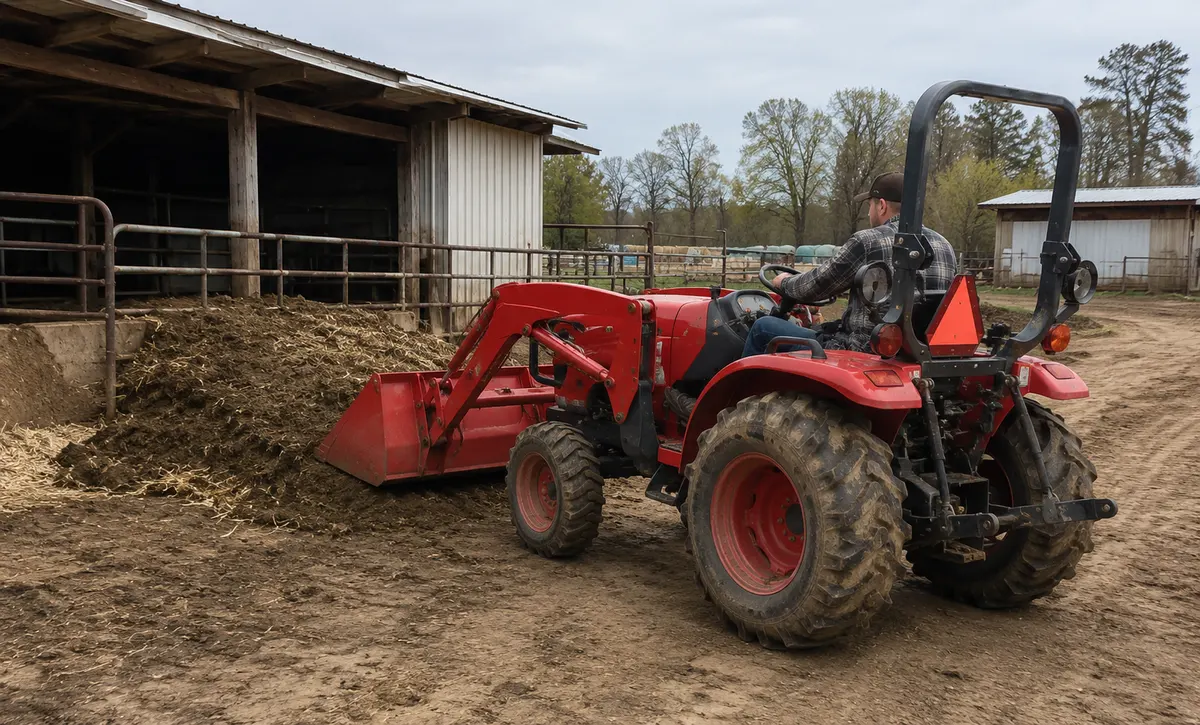 Front loader moves manure beside the livestock barn.
 Loader scoops gravel from a pile for farm road work.
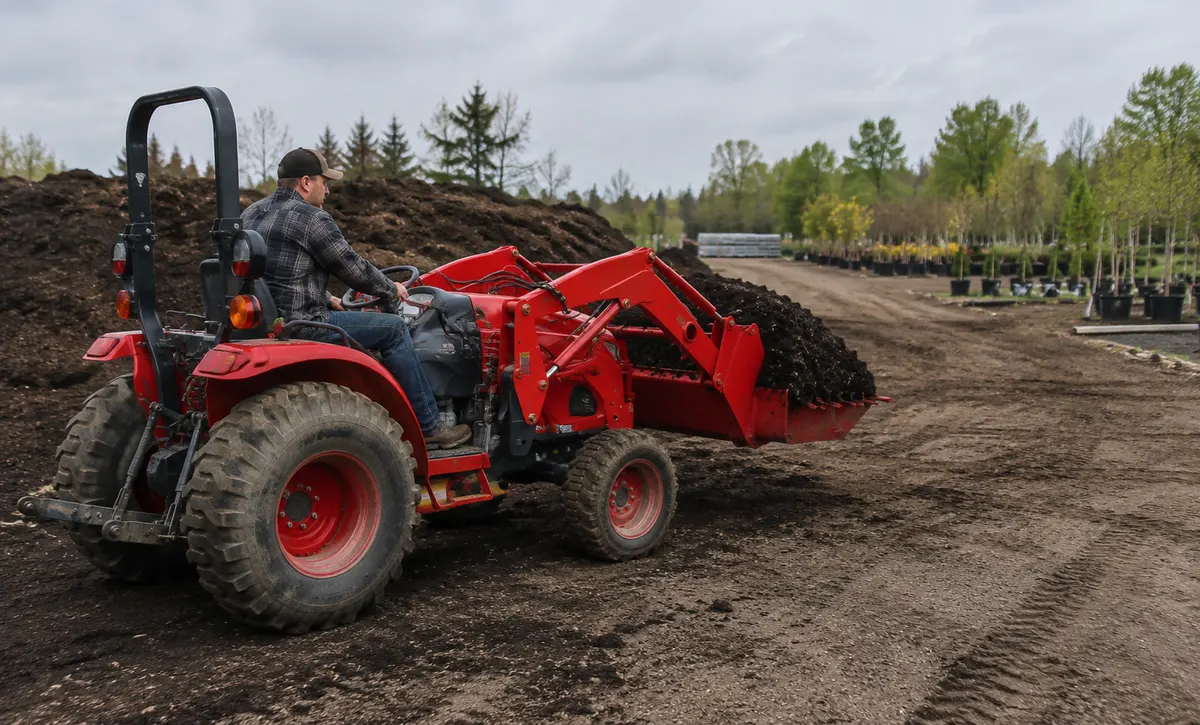 Tractor loads mulch for nursery bed preparation.Tractor loads and levels soil around the farmyard.Front loader moves manure beside the livestock barn.
01 /Description
Field Preparation and Farm Maintenance with Front load shovel
Front load shovel is suited to farms, orchards, nurseries and seasonal land-maintenance work. Match the implement to its stated agricultural task, tractor interface and field conditions. Before deployment, confirm working width, power, terrain, crop type, capacity, attachment interface and operator method.
Combined with rotation, the working mechanism allows multi-directional digging and material placement, minimizing frequent machine adjustments and suiting confined construction sites.
02 / Specs & Parts
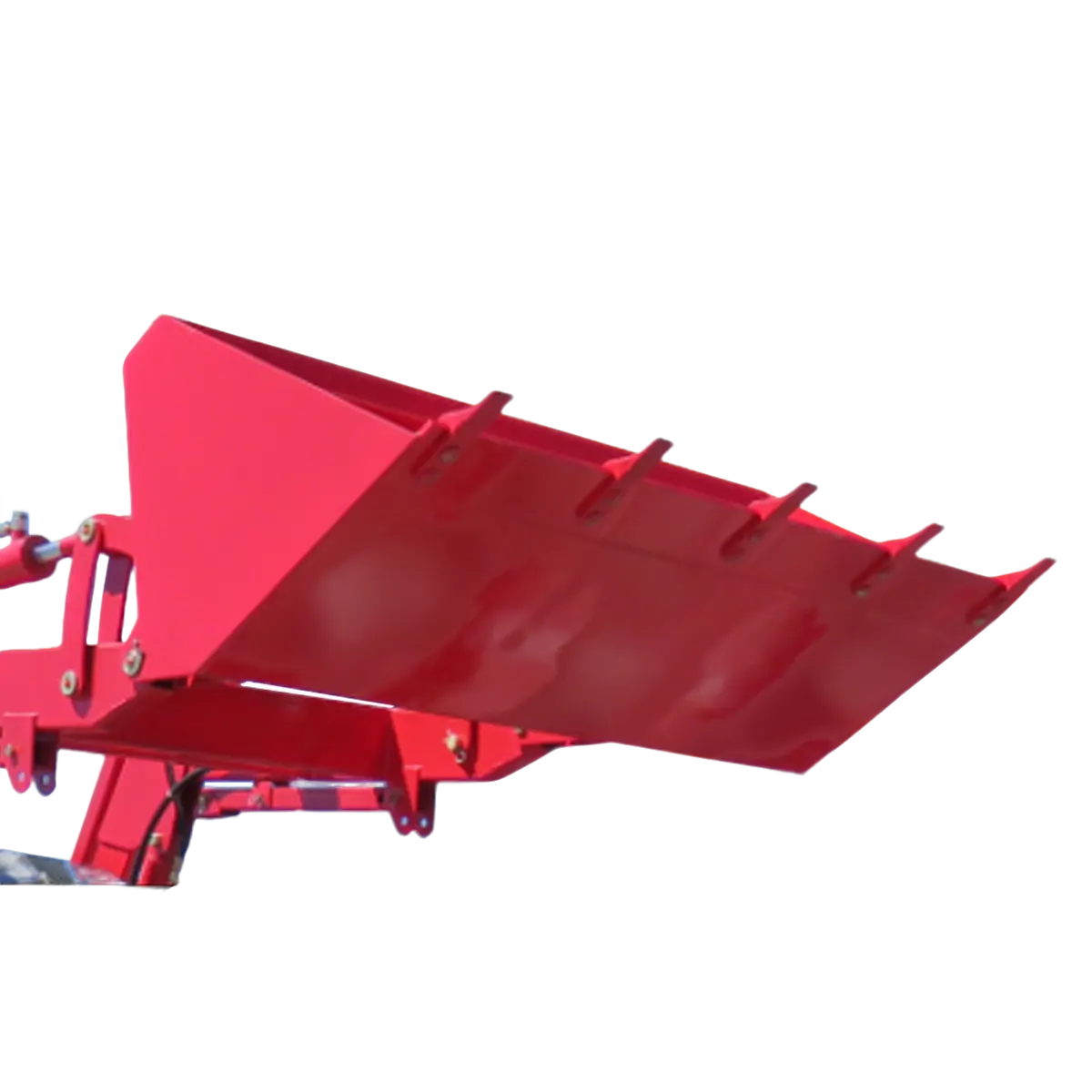
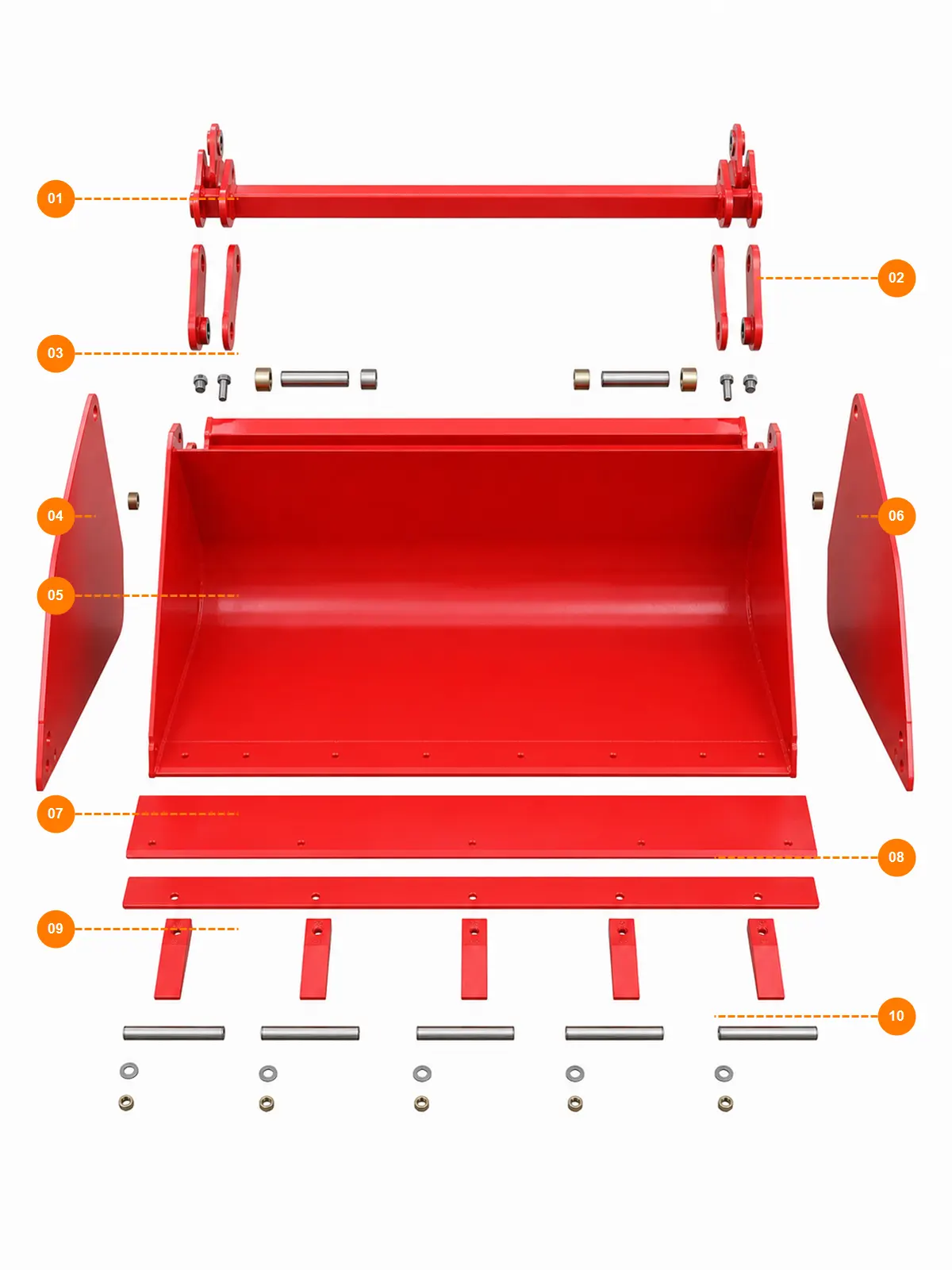
Front-mounted bucket shown in the white-background view cuts, lifts and places soil with control.
Pivot linkage connects the bucket to the arm and transfers hydraulic motion for stable digging.
The orange dipper arm extends reach and carries the verified bucket connection at its tip.
The main boom, visible cylinder and hose routing raise the work end through controlled movement.
The enclosed cab contains the visible seat, controls and protective glazing for machine operation.
The orange rear hood encloses the visible engine housing and balances the upper machine body.
The black chassis and four visible wheels provide the verified rolling support and stable load path.
03 / Specs, Parts & Accessories
Video Showcase
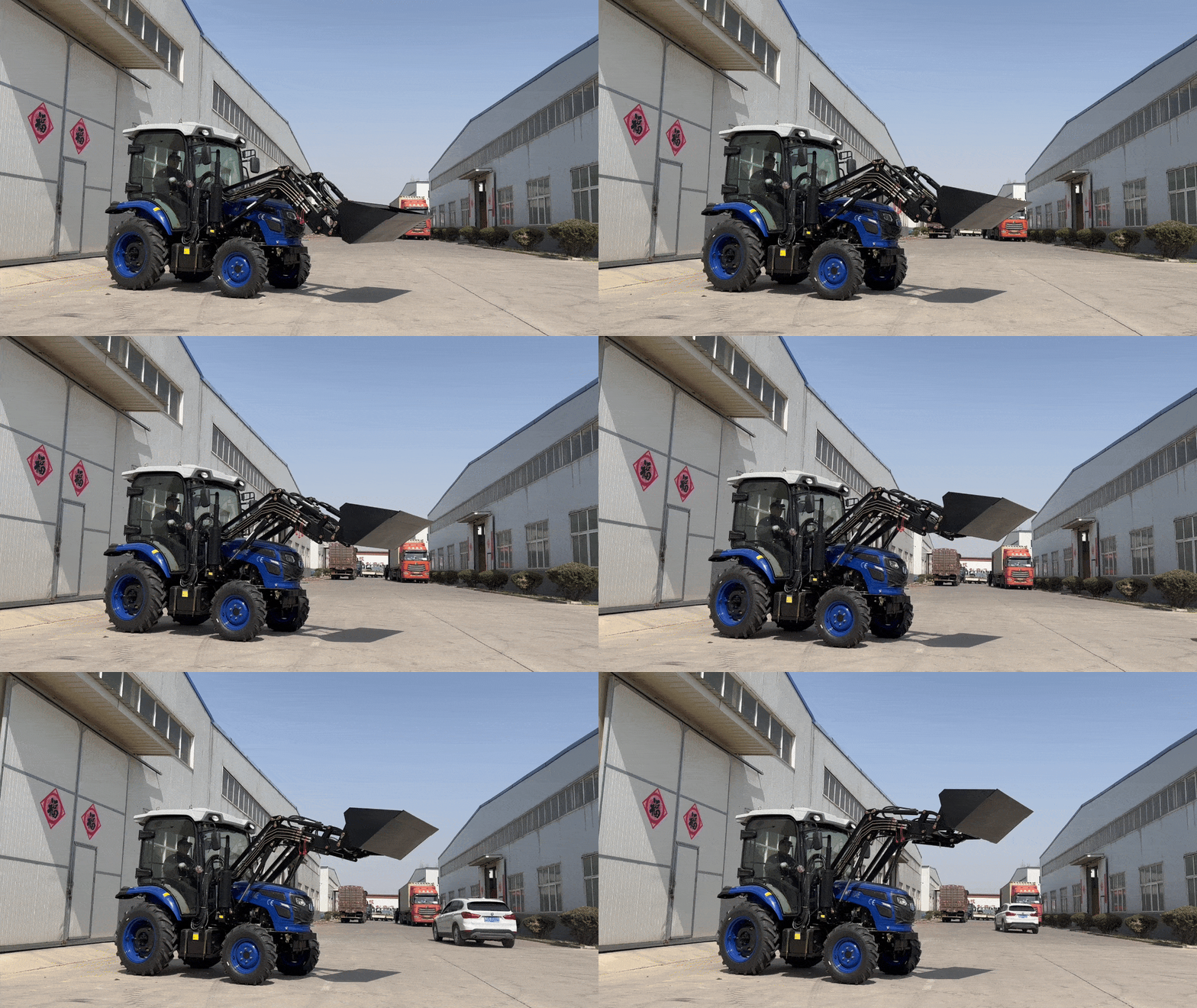
Loader side‑loading operation demonstration
1. It is commonly used for farms, orchards, nurseries and seasonal land-maintenance work, subject to the selected model and site conditions.
2. Match working width, power, terrain, crop type, capacity, attachment interface and operator method to the actual workload and operating environment.
3. Confirm model, power, working attachment, tire or track type and optional implements, then verify the response time and any special requirements.
4. Prepare appropriate fuel or charging support, safe attachment setup and pre-work inspection on level ground; follow the manual for operation, inspection and routine maintenance.
 Simplified explanation