


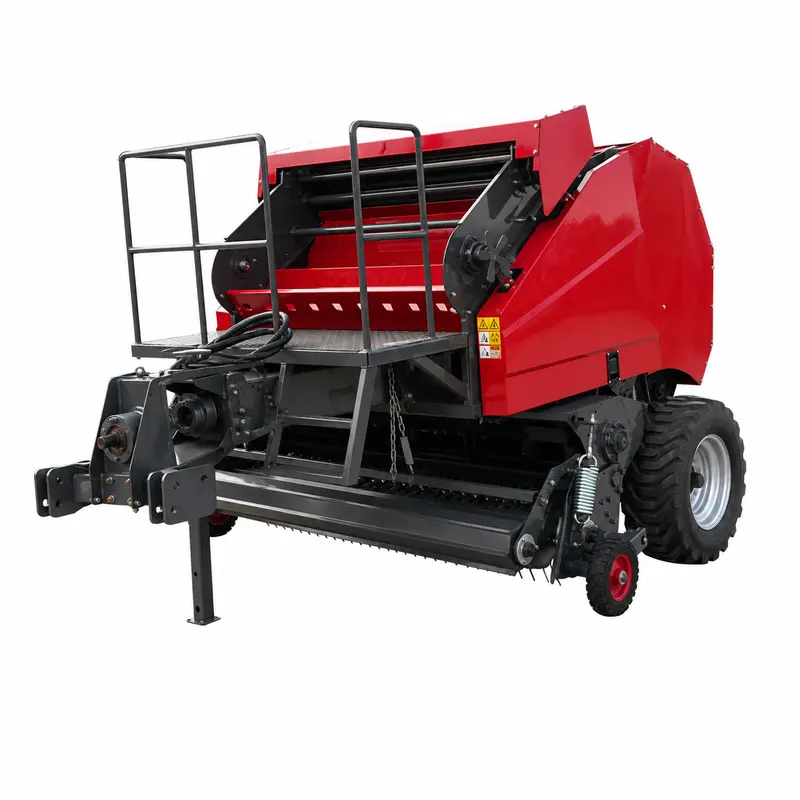
Round baler
9YQ-19509YQ-1950 Round-Bale Hay Wrapper | High Efficiency in the Field | Easy Maintenance
View Details→

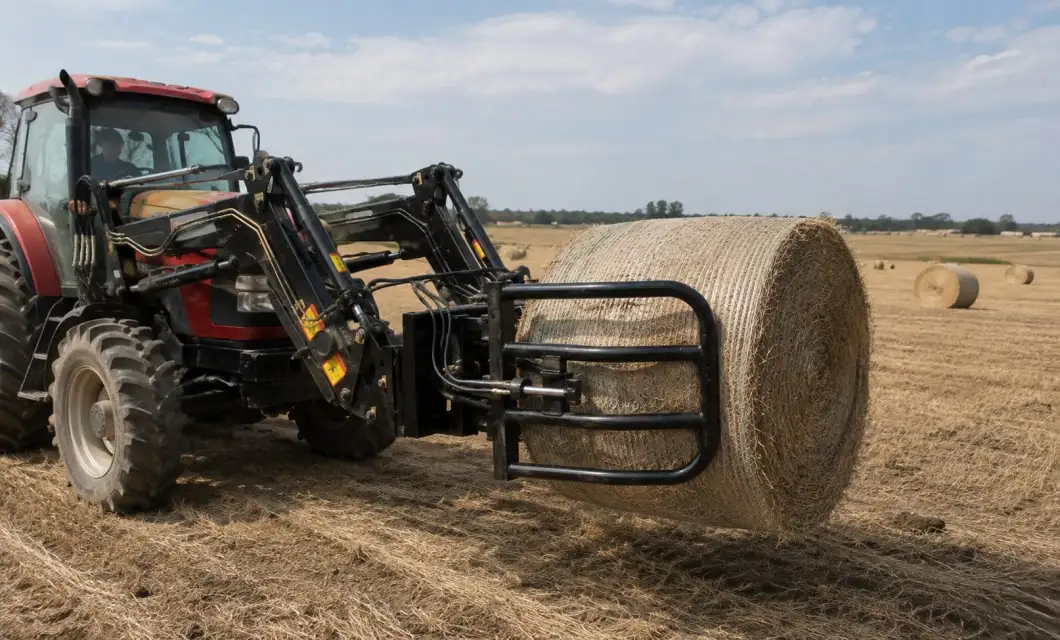 Tractor collects and transports large round bales across open farmland after.
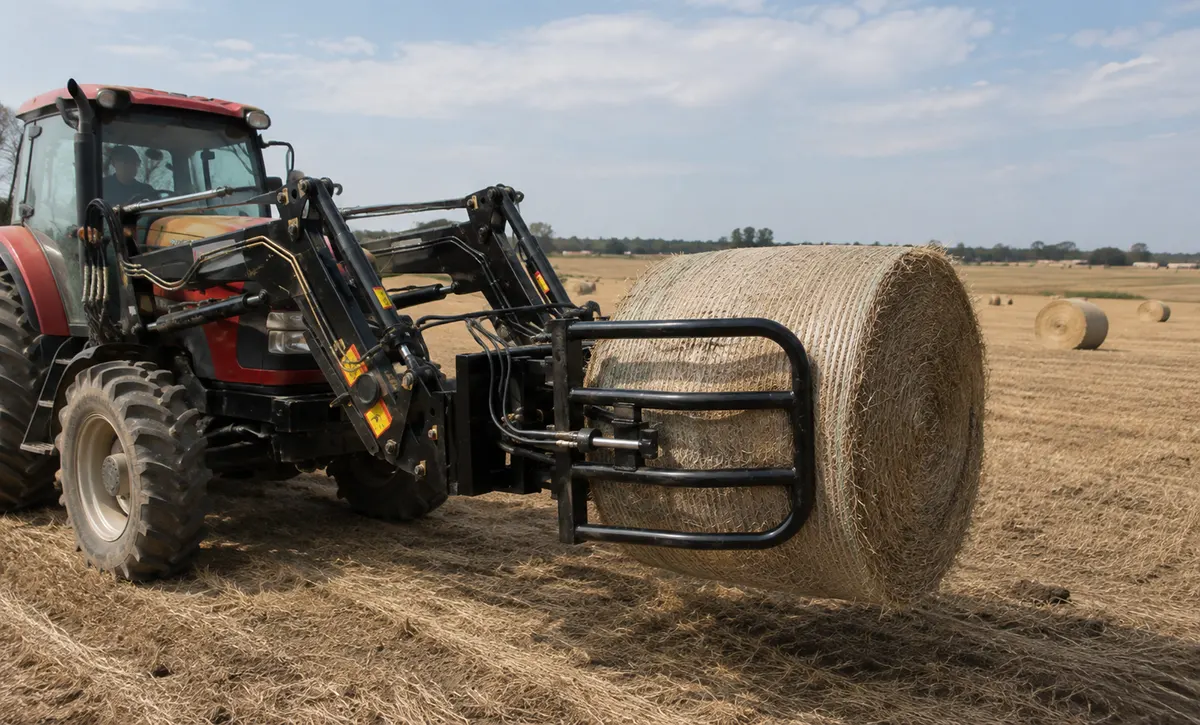 Tractor collects and transports large round bales across open farmland after.
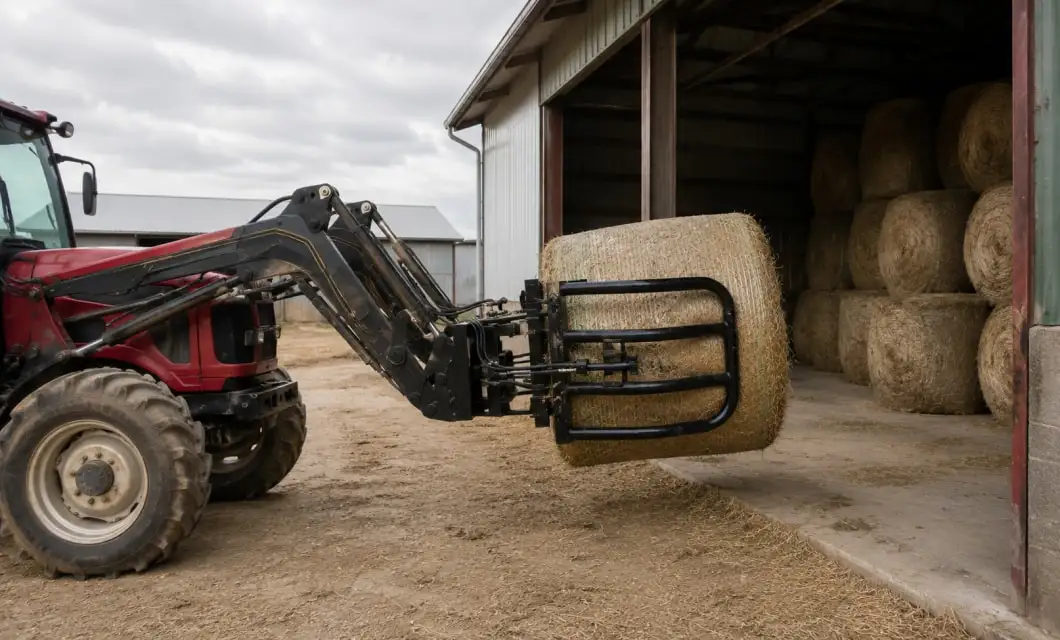 Tractor-mounted bale grabber lifts round bales inside a covered barn for.
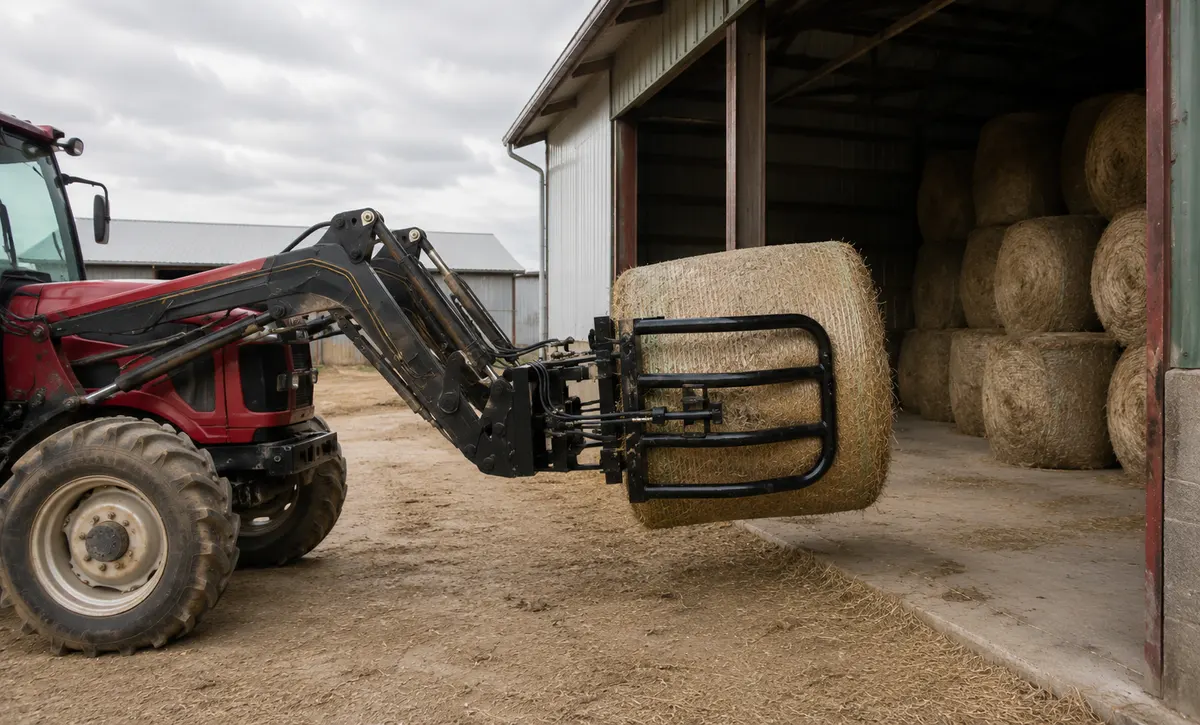 Tractor-mounted bale grabber lifts round bales inside a covered barn for.Tractor collects and transports large round bales across open farmland after.Tractor collects and transports large round bales across open farmland after.
01 /Description
Field Preparation and Farm Maintenance with Weed trap
Weed trap is suited to farms, orchards, nurseries and seasonal land-maintenance work. Match the implement to its stated agricultural task, tractor interface and field conditions. Before deployment, confirm working width, power, terrain, crop type, capacity, attachment interface and operator method.
02 / Specs & Parts
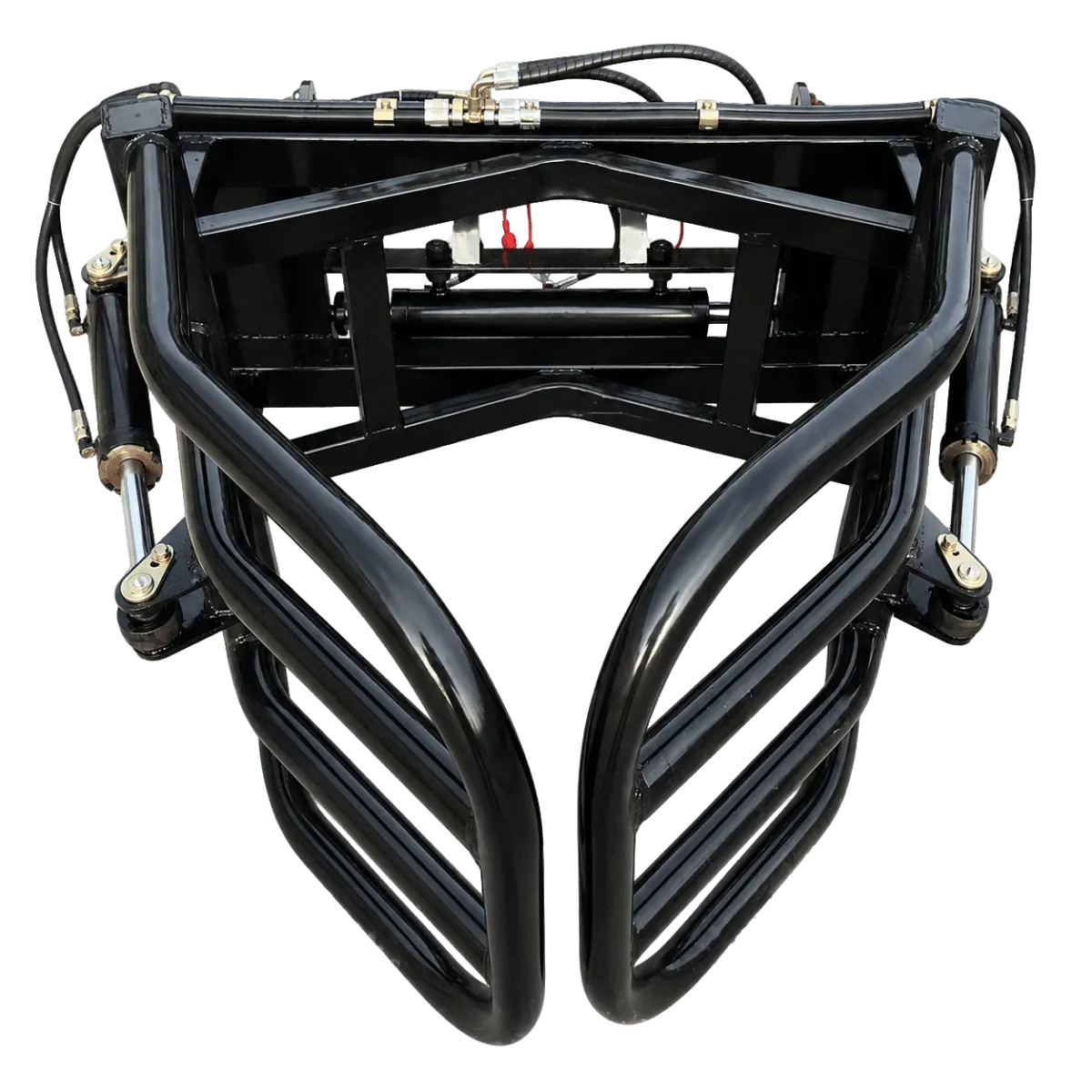
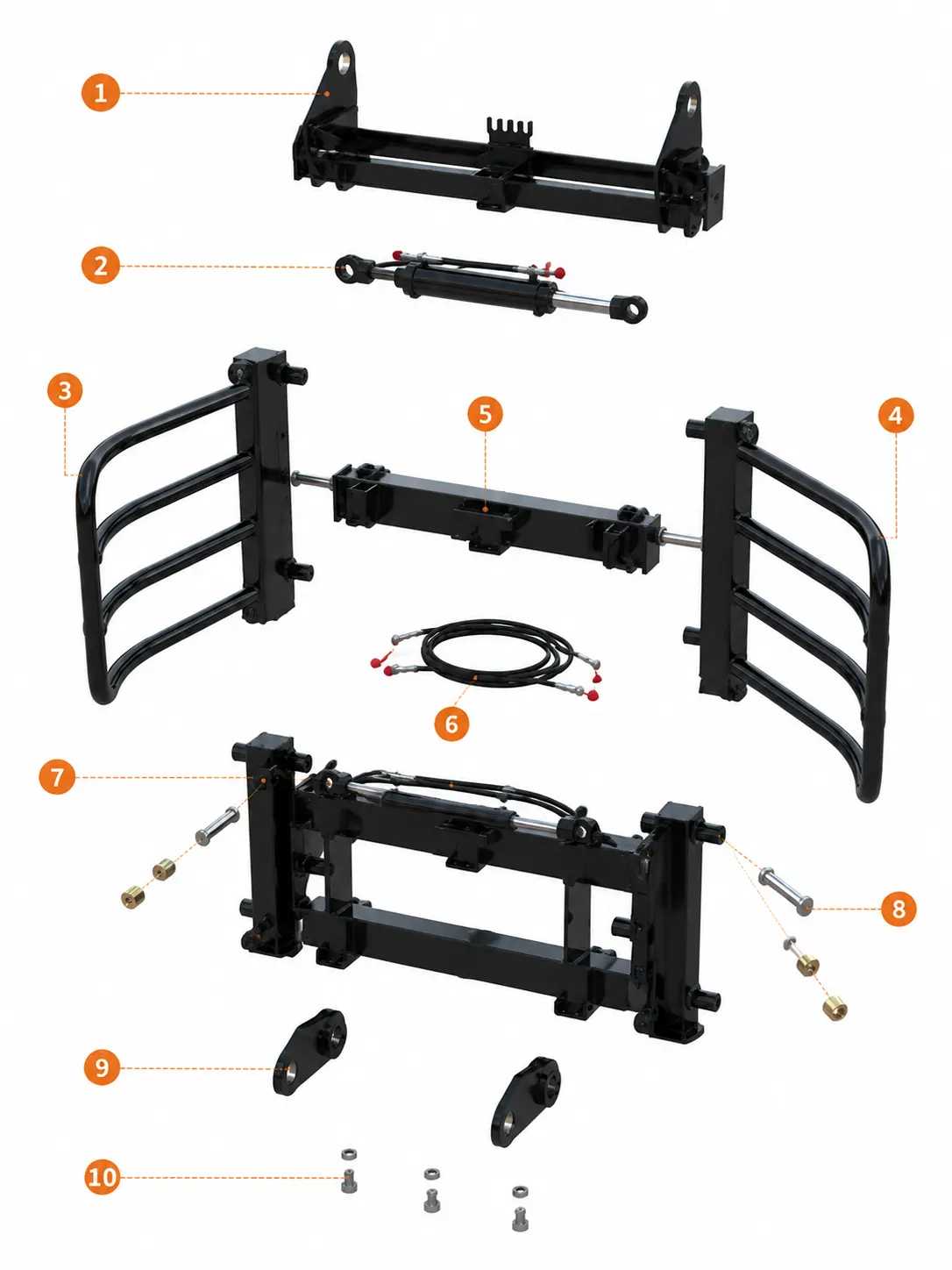
The welded upper frame provides primary support and connection points for the clamp assembly.
The hydraulic cylinder supplies controlled force to open and close the paired clamp arms.
The curved left arm grips the bale from one side and helps maintain stable holding during handling.
The curved right arm works with the opposite side to secure the bale evenly during handling.
The central crossbeam links both side structures and transfers operating loads across the frame.
The hose set routes hydraulic fluid between the cylinder and machine connections during operation.
The left pin and bushings secure the pivot joint while allowing smooth rotational arm movement.
1. It is commonly used for farms, orchards, nurseries and seasonal land-maintenance work, subject to the selected model and site conditions.
2. Match working width, power, terrain, crop type, capacity, attachment interface and operator method to the actual workload and operating environment.
3. Confirm model, power, working attachment, tire or track type and optional implements, then verify the response time and any special requirements.
4. Prepare appropriate fuel or charging support, safe attachment setup and pre-work inspection on level ground; follow the manual for operation, inspection and routine maintenance.
 Simplified explanation