


Product selling points
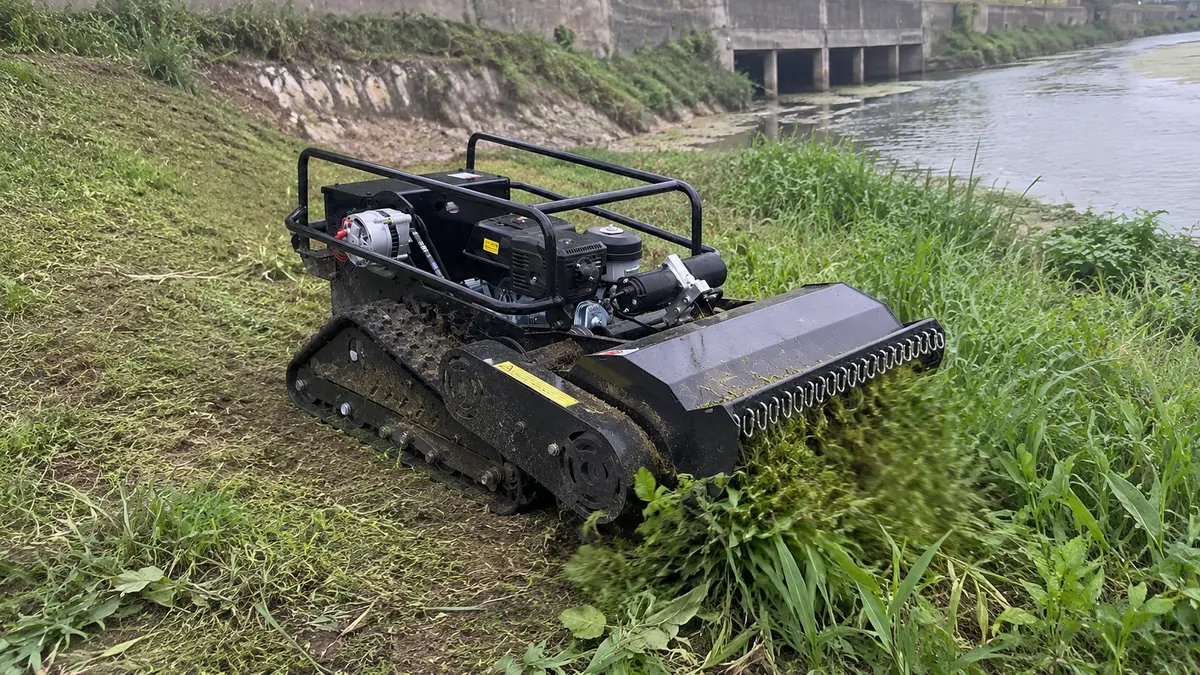 Waterway Slope - Steady Clearing Along Waterway Slopes
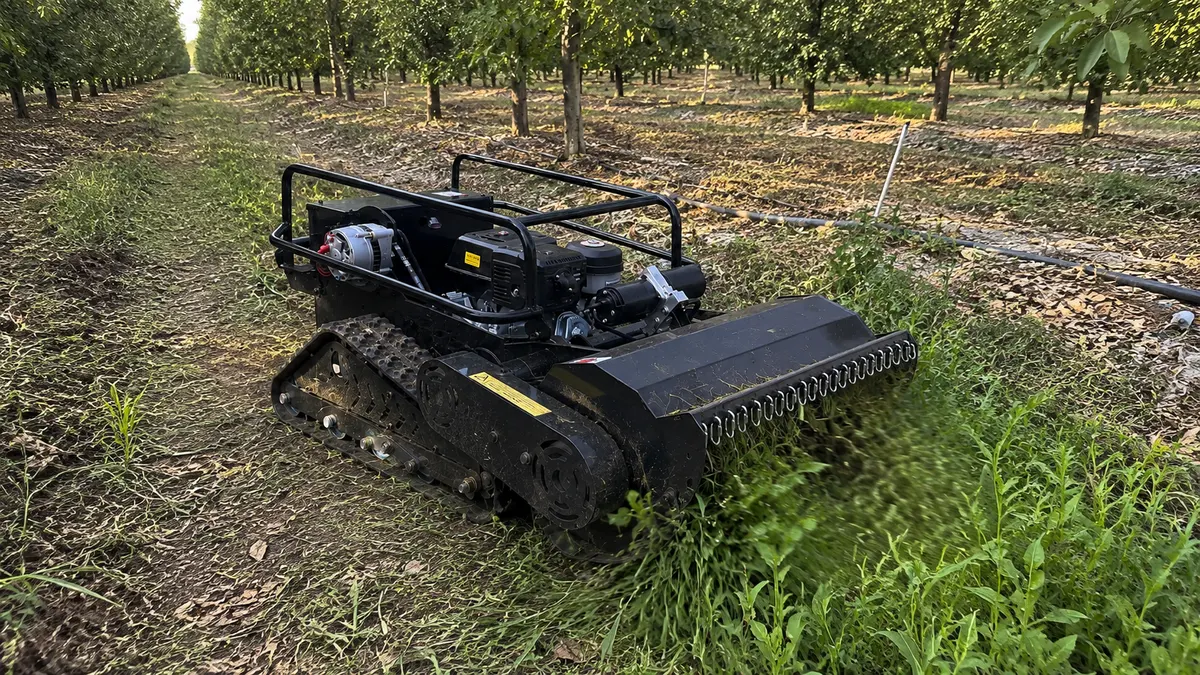 Orchard Row - Orderly Ground Care Through Orchard Rows
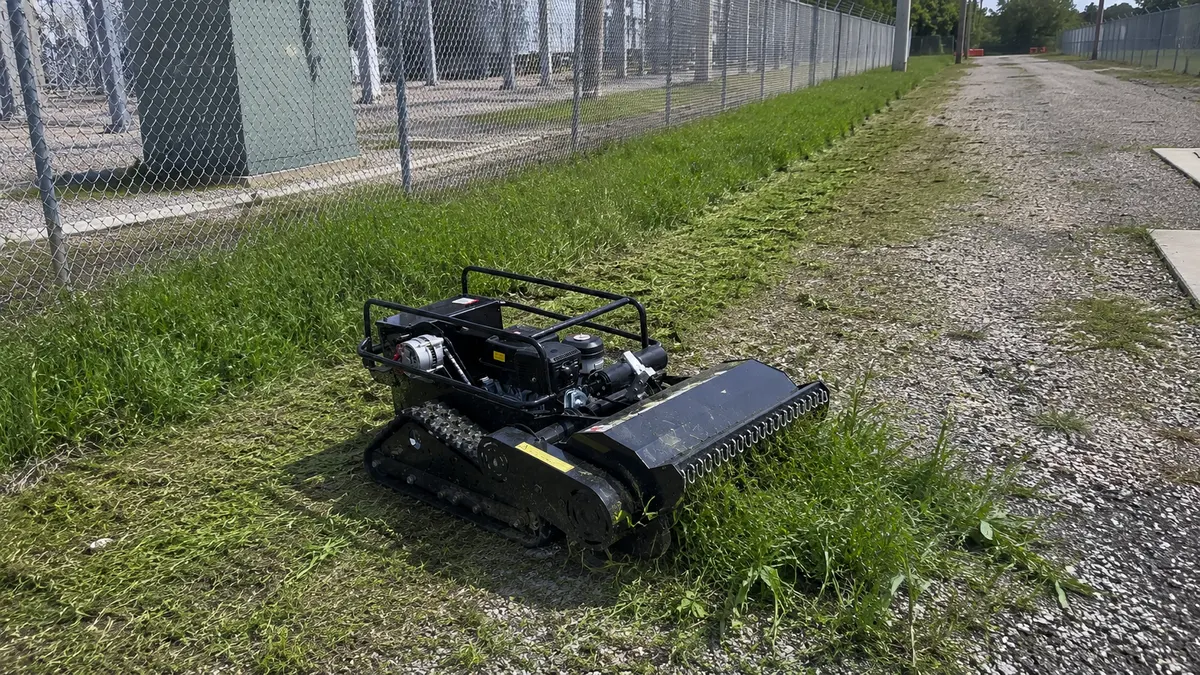 Facility Route - Clear Movement Along Facility Routes
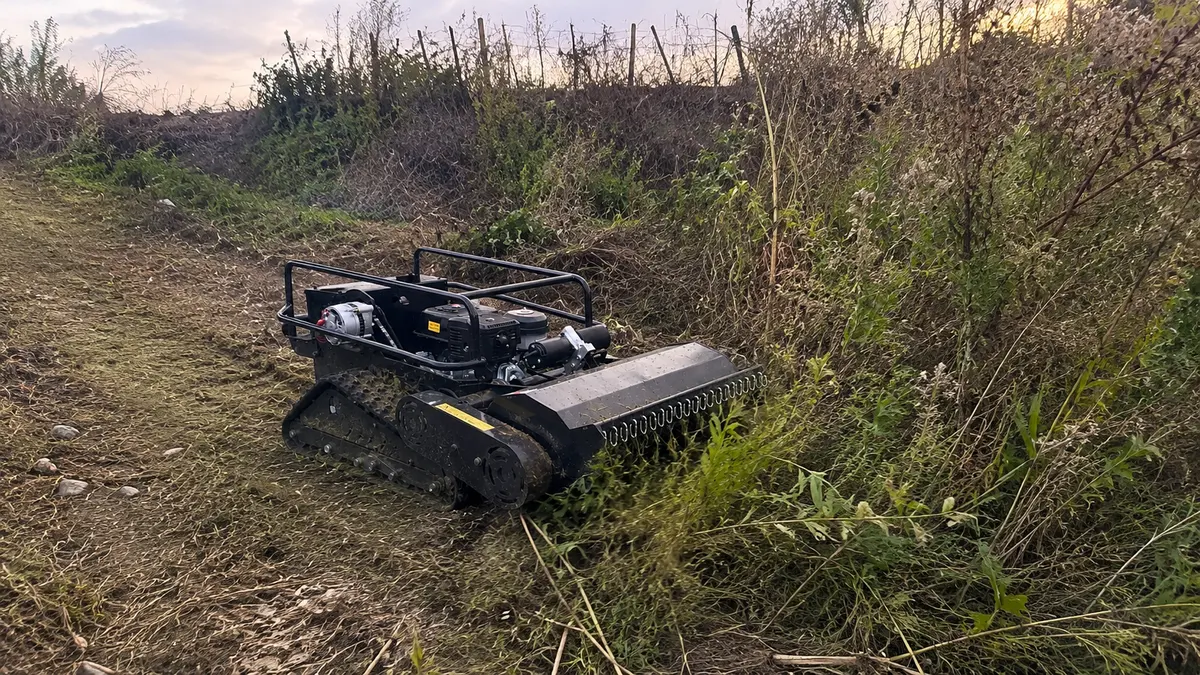 Heavy Grass Area - Strong Visual Progress in Heavy GrassWaterway Slope - Steady Clearing Along Waterway SlopesOrchard Row - Orderly Ground Care Through Orchard Rows
01 /Description
Field Preparation and Farm Maintenance with Weed mower
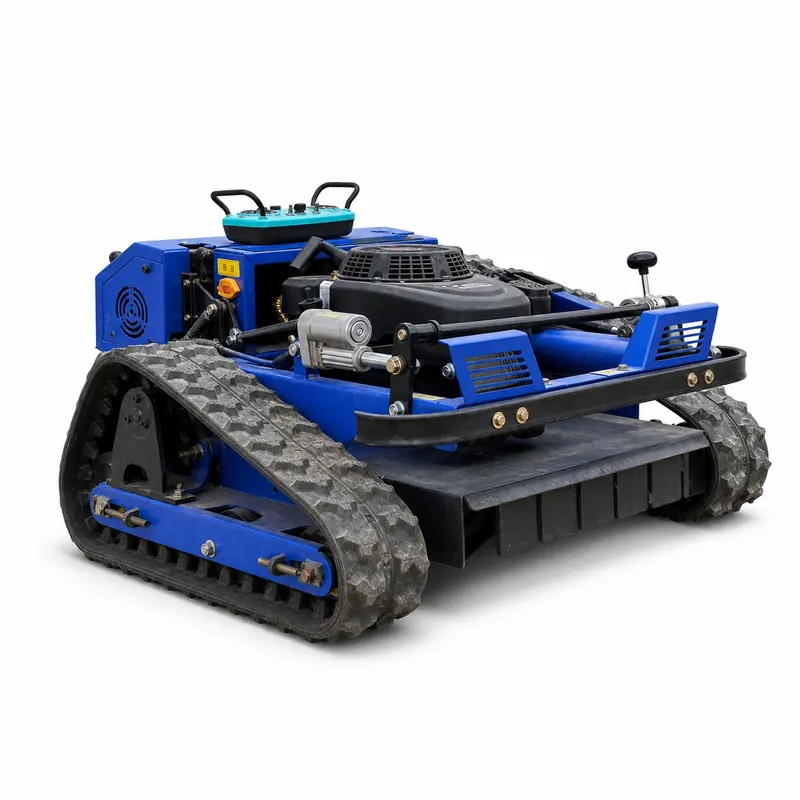
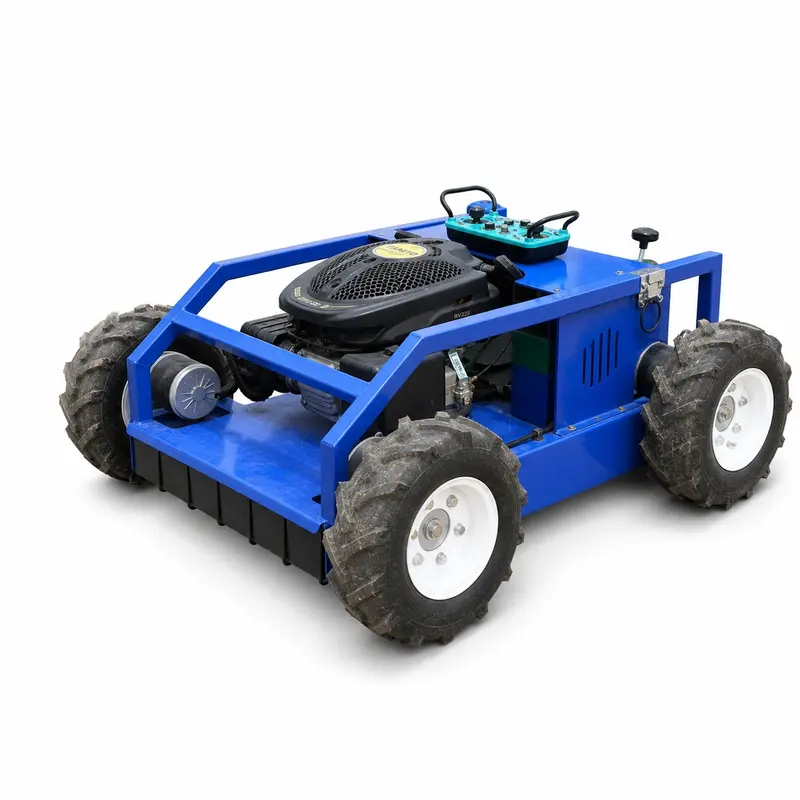
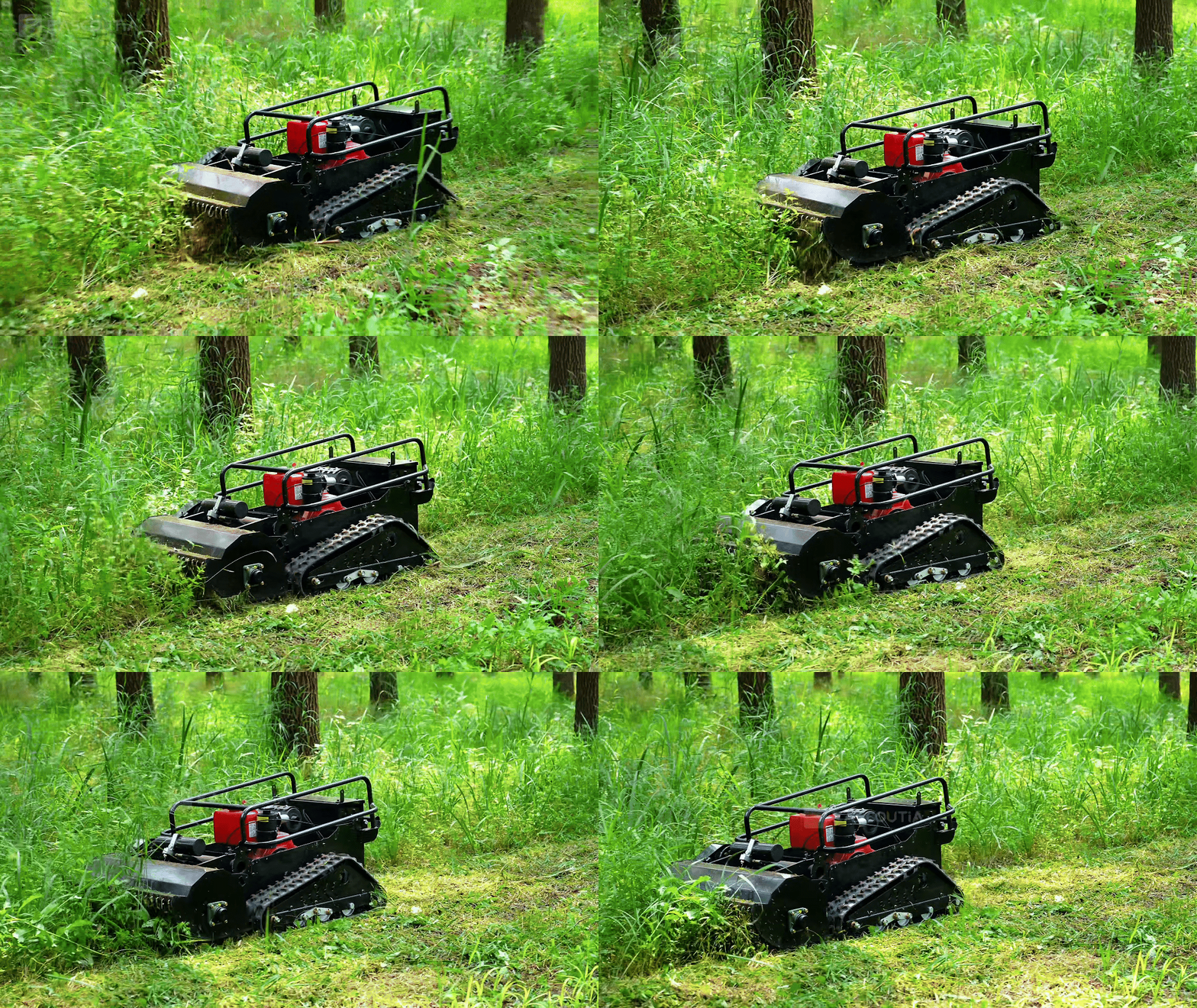
This gasoline crawler mower supports ground care along waterway slopes, orchard rows, facility routes, and areas of heavy grass. Its front guarded deck cuts vegetation while the tracked chassis travels over accessible mixed surfaces. A protective frame and side panels shield the concentrated engine, drive, wiring, and control components.
Product Advantages
Combined with rotation, the working mechanism allows multi-directional digging and material placement, minimizing frequent machine adjustments and suiting confined construction sites.
02 / Specs & Parts
Specifications & Structural Decomposition
Product Structure Diagram
- Cutting Width/mm
- 850
- Dimensions
- 1580*930*580
- Total Machine Weight
- 317kg
- Battery Specifications
- 24V20A
- Starting Method
- Electric Start/Remote Control Start
- Climbing Angle
- ≤60°
General information
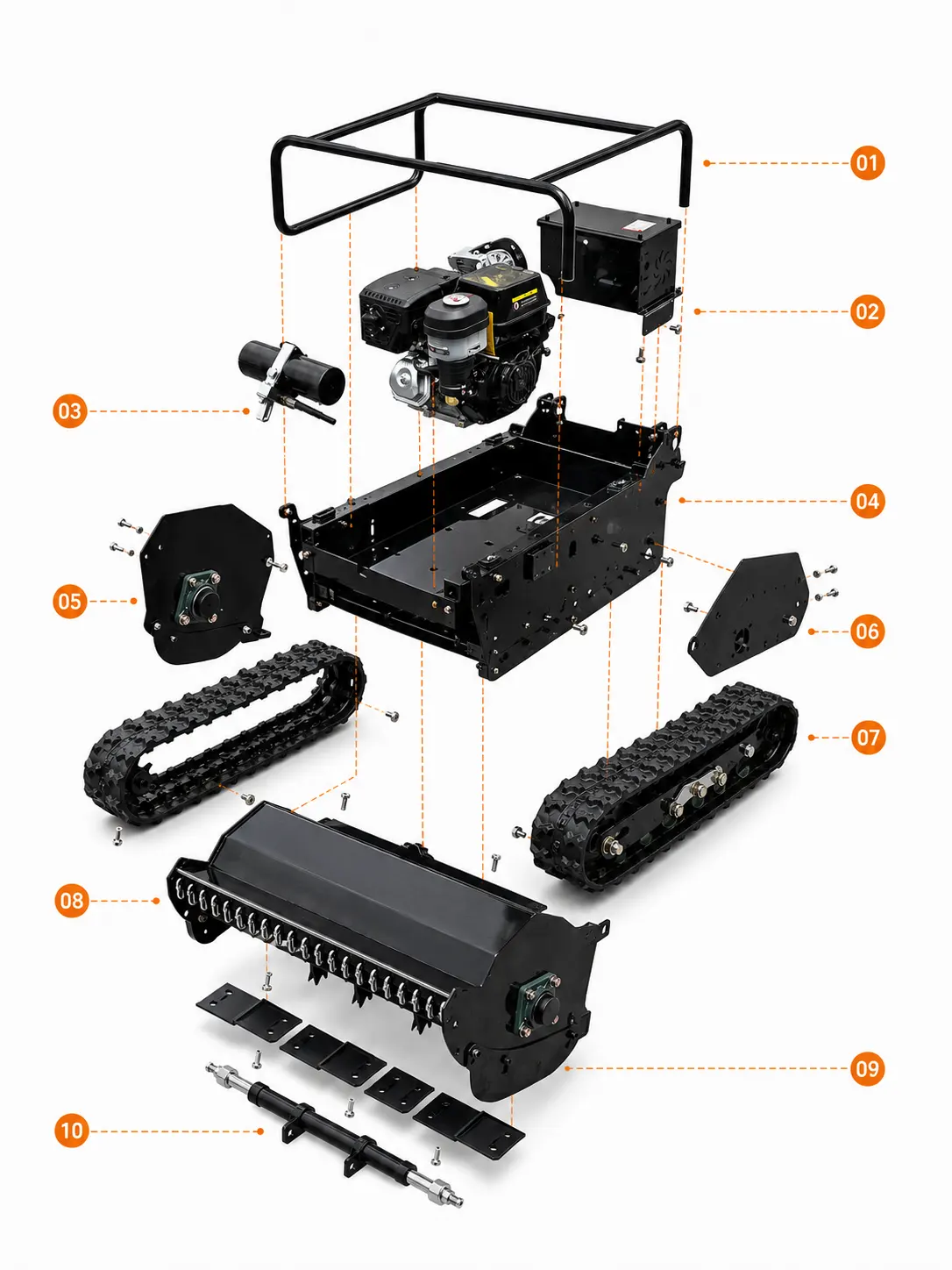
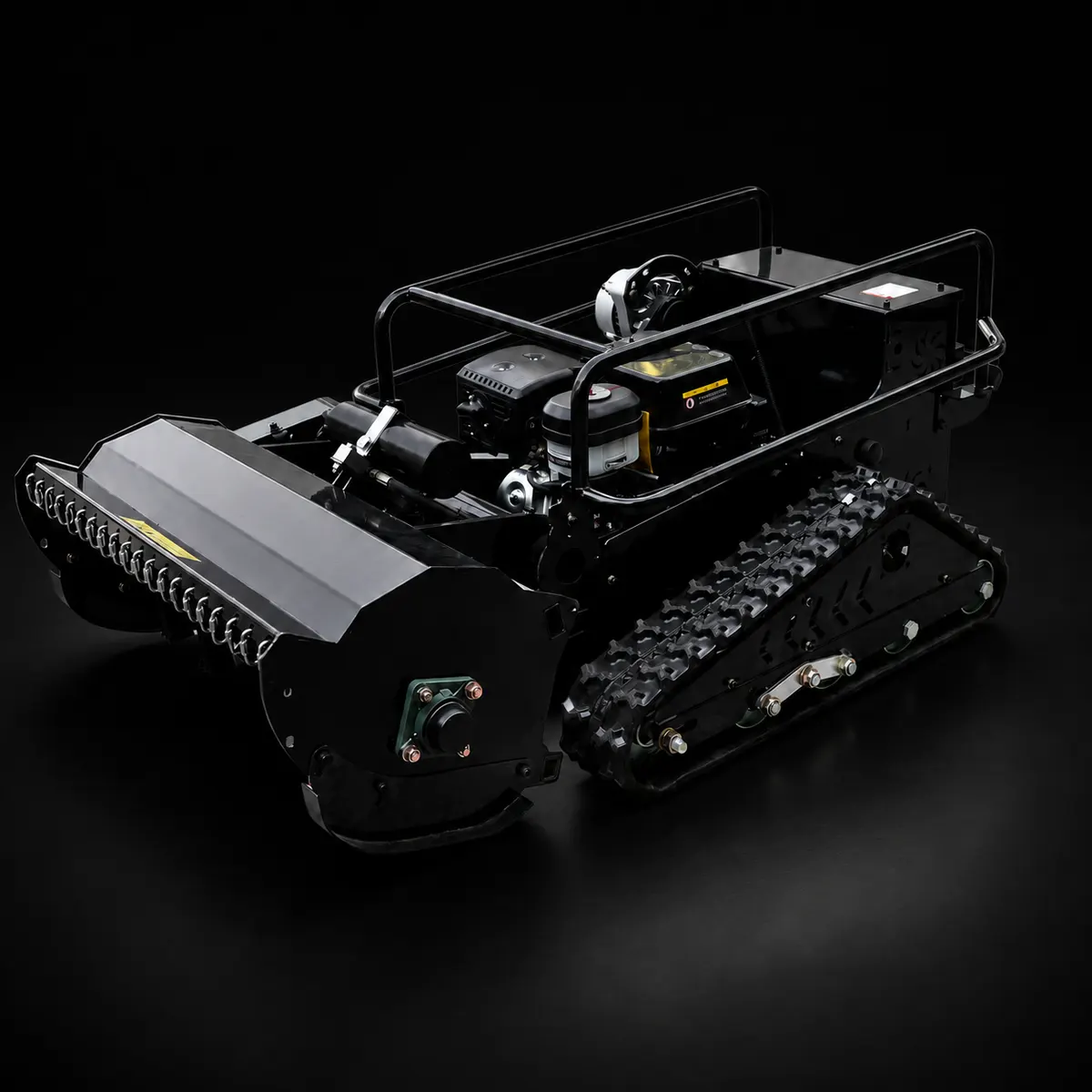
- 1. Safety Guard Frame
The tubular upper frame protects the engine area while preserving open service access.
- 2. Electrical Protective Box
The black enclosure shields electrical controls and wiring from grass, dust and impact.
- 3. Deck Lift Actuator
The mounted actuator adjusts the front deck position for surface and grass-height changes.
- 4. Main Chassis Frame
The rigid steel chassis carries the engine, track units and complete front deck assembly.
- 5. Left Deck End Plate
The left end plate supports and guards the cutting-rotor end and deck structure.
- 6. Right Chassis Side Plate
The removable right plate shields internal drive connections and service points.
- 7. Tracked Running Assemblies
Paired rubber tracks provide stable support and controlled travel on uneven surfaces.
General instructions
 Simplified explanation
03 / Specs, Parts & Accessories
Visuals & Product Inspection
Product Video
Video Showcase
JLF-R800-420cc Gasoline Model – Exterior Showcase
JLF-R800-420cc Gasoline Exterior Showcase: Powered by a 420cc high-displacement engine with a bold, rugged body. It highlights mechanical aesthetics, showcasing robust power and solid craftsmanship.
JLF-R800-420cc Gasoline Model – Exterior Showcase
Video Showcase · 00:40JLF-R800-420cc Gasoline Exterior Showcase: Powered by a 420cc high-displacement engine with a bold, rugged body. It highlights mechanical aesthetics, showcasing robust power and solid craftsmanship.
JLF-R800-420 Gasoline Operation Demonstration
Operation Videos · 00:38JLF-R800 Gasoline Operation Demo: Powered by a 420 high-horsepower engine for easy one-touch start and smooth idle transition. Responsive throttle and robust power delivery make outdoor mowing highly efficient and effortless.
Product packaging
Service Videos · 00:30JLF-R800-420cc Gasoline Custom Packaging: Made of high-strength, eco-friendly materials with precision shock-absorbing inserts. It provides all-around protection to ensure safe and undamaged long-distance transit.
Real Factory Footage
Real on-site records from our factory, offering a practical view of our production capability and delivery readiness.
0:00 / 0:00
04/ Product Review
Product Inspection
Product Review
We centrally purchase equipment, test the data and the machine, then publish the models that clear our review. You get a shorter path from "could work" to a quote your team can act on.

0:00 / 0:00
Product Inspection
Core Component Details
Frequently Asked Questions (FAQ)
1. Where is Weed mower typically used?
1. It is commonly used for farms, orchards, nurseries and seasonal land-maintenance work, subject to the selected model and site conditions.
2. How do I choose the right model?
2. Match working width, power, terrain, crop type, capacity, attachment interface and operator method to the actual workload and operating environment.
3. What should be confirmed before ordering?
3. Confirm model, power, working attachment, tire or track type and optional implements, then verify the response time and any special requirements.
4. How should it be installed and maintained?
4. Prepare appropriate fuel or charging support, safe attachment setup and pre-work inspection on level ground; follow the manual for operation, inspection and routine maintenance.
Related Products