

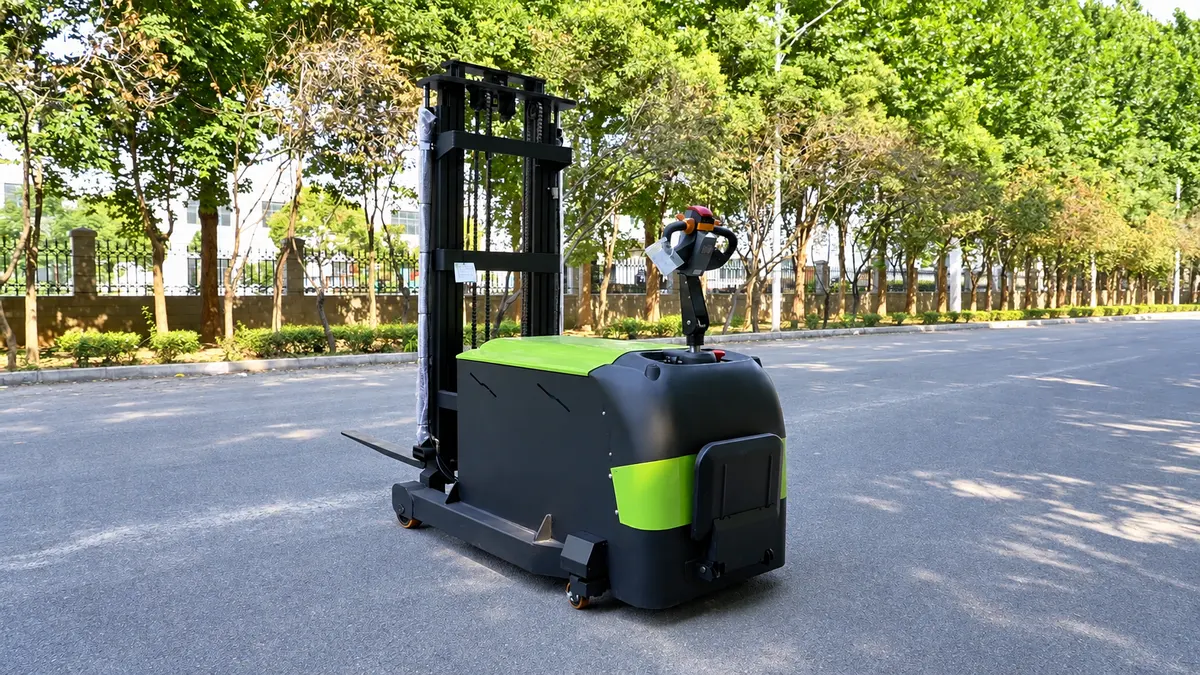

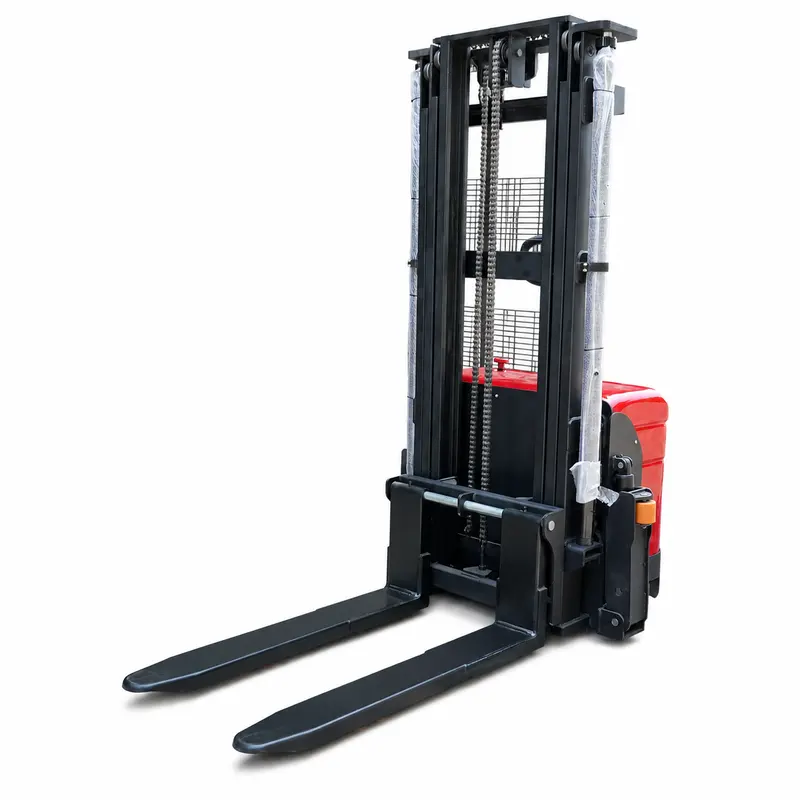
Stand-on forklift (hydraulic side outriggers)
CZD151.5-ton, 1.5t high-efficiency stand-on reach truck VY-CZD15 (with hydraulic side outriggers)
View Details→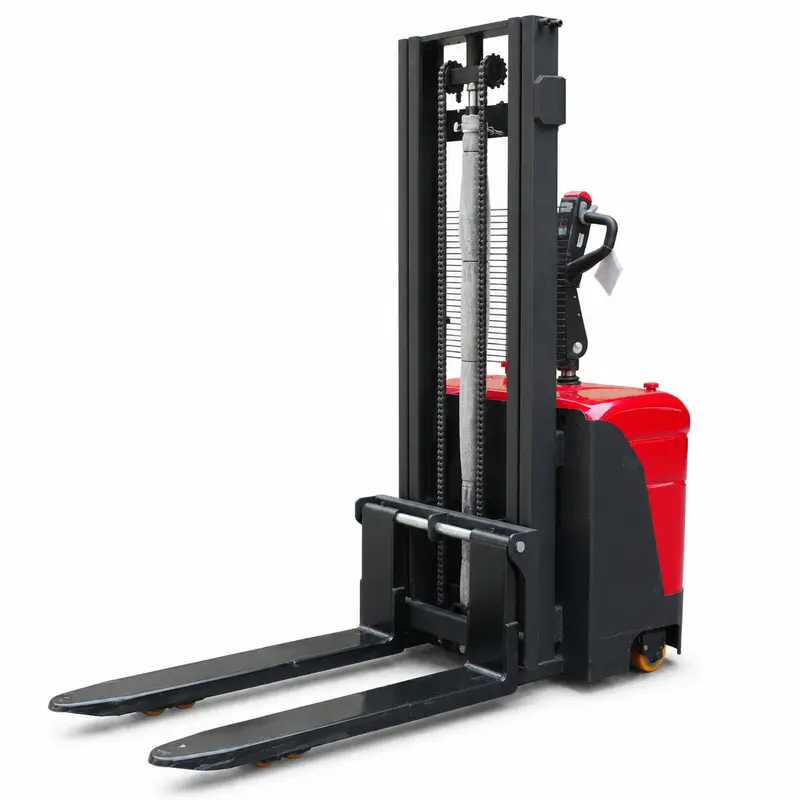

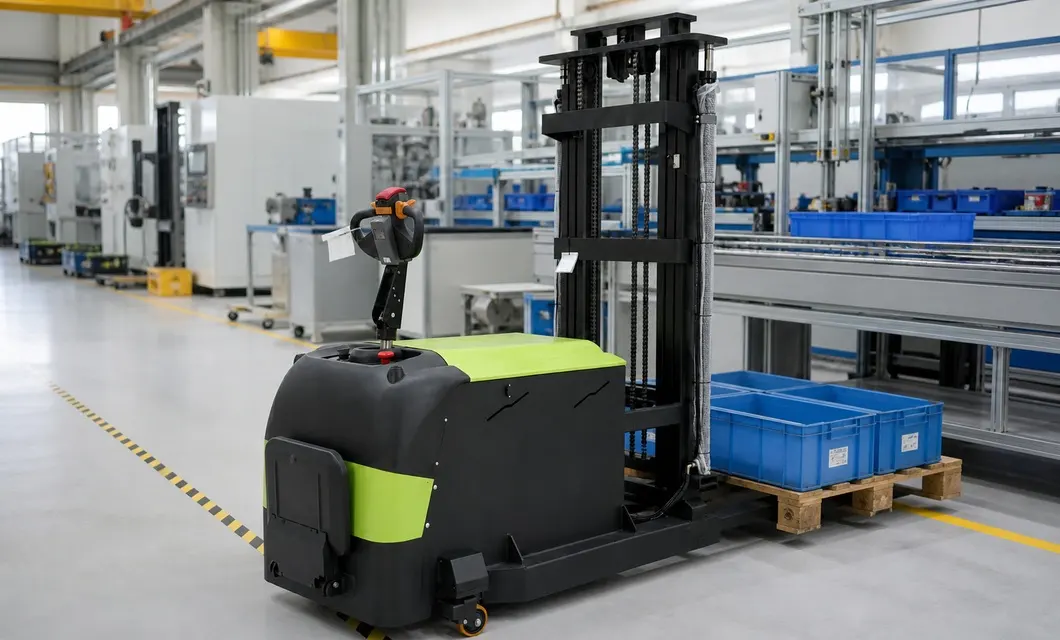 Handles Loads Beside Production Lines
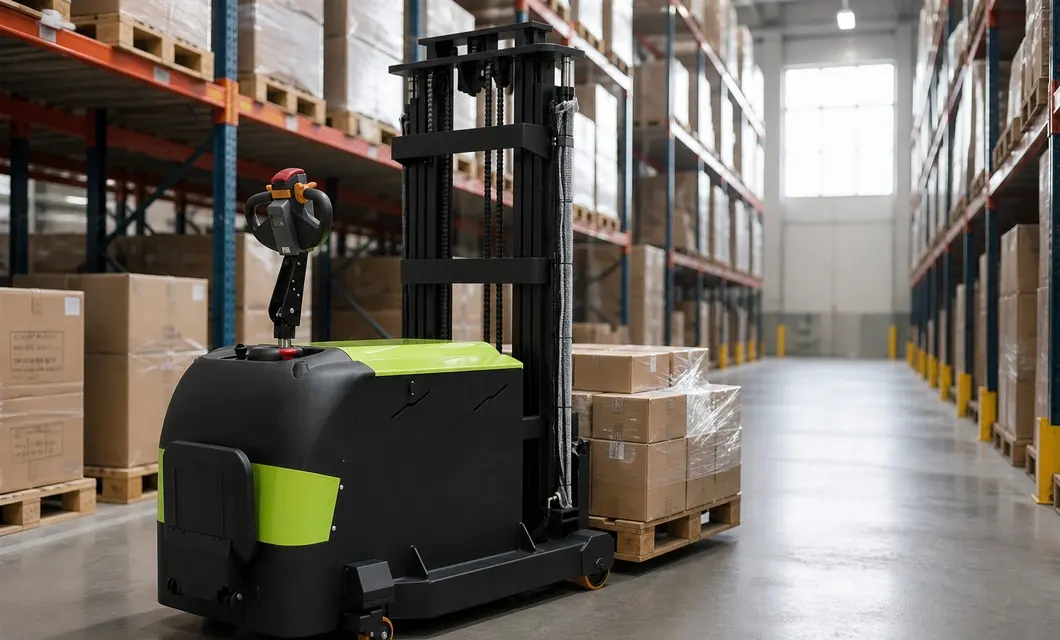 Moves Pallets Through Narrow Warehouse Aisles
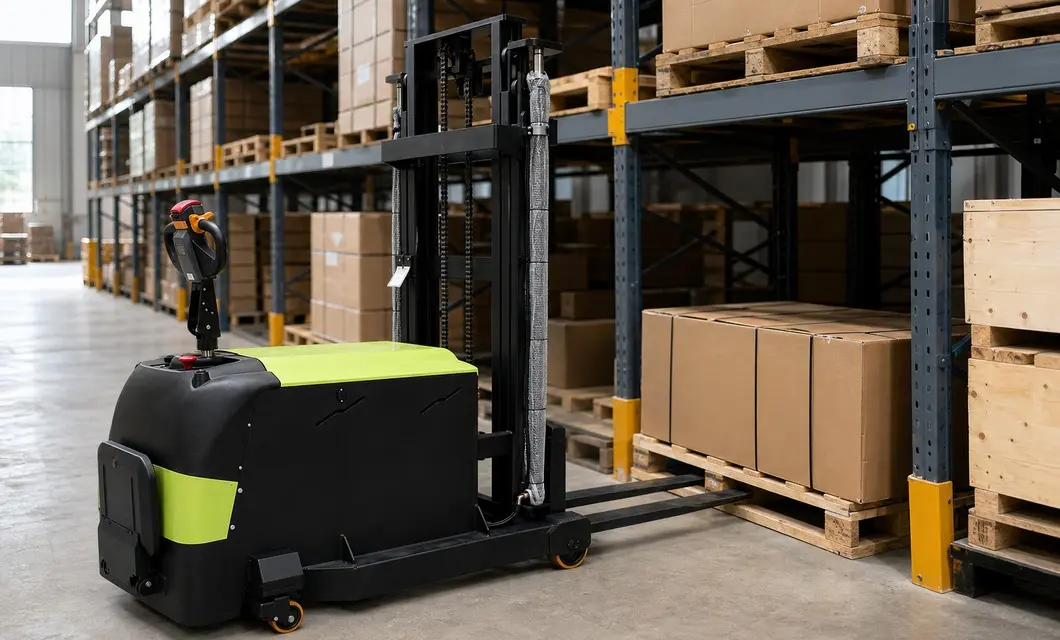 Positions Goods at Warehouse Racking
 Transfers Pallets Across Loading AreasHandles Loads Beside Production LinesMoves Pallets Through Narrow Warehouse Aisles
01 /Description
Controlled counterbalanced pallet lifting and placement
The counterbalanced stacker supports controlled pallet lifting, short-distance movement and placement in prepared warehouse, loading and production areas. Its counterbalanced layout and visible fork path support deliberate alignment for compatible loads without unsupported performance claims.
Combined with rotation, the working mechanism allows multi-directional digging and material placement, minimizing frequent machine adjustments and suiting confined construction sites.
02 / Specs & Parts
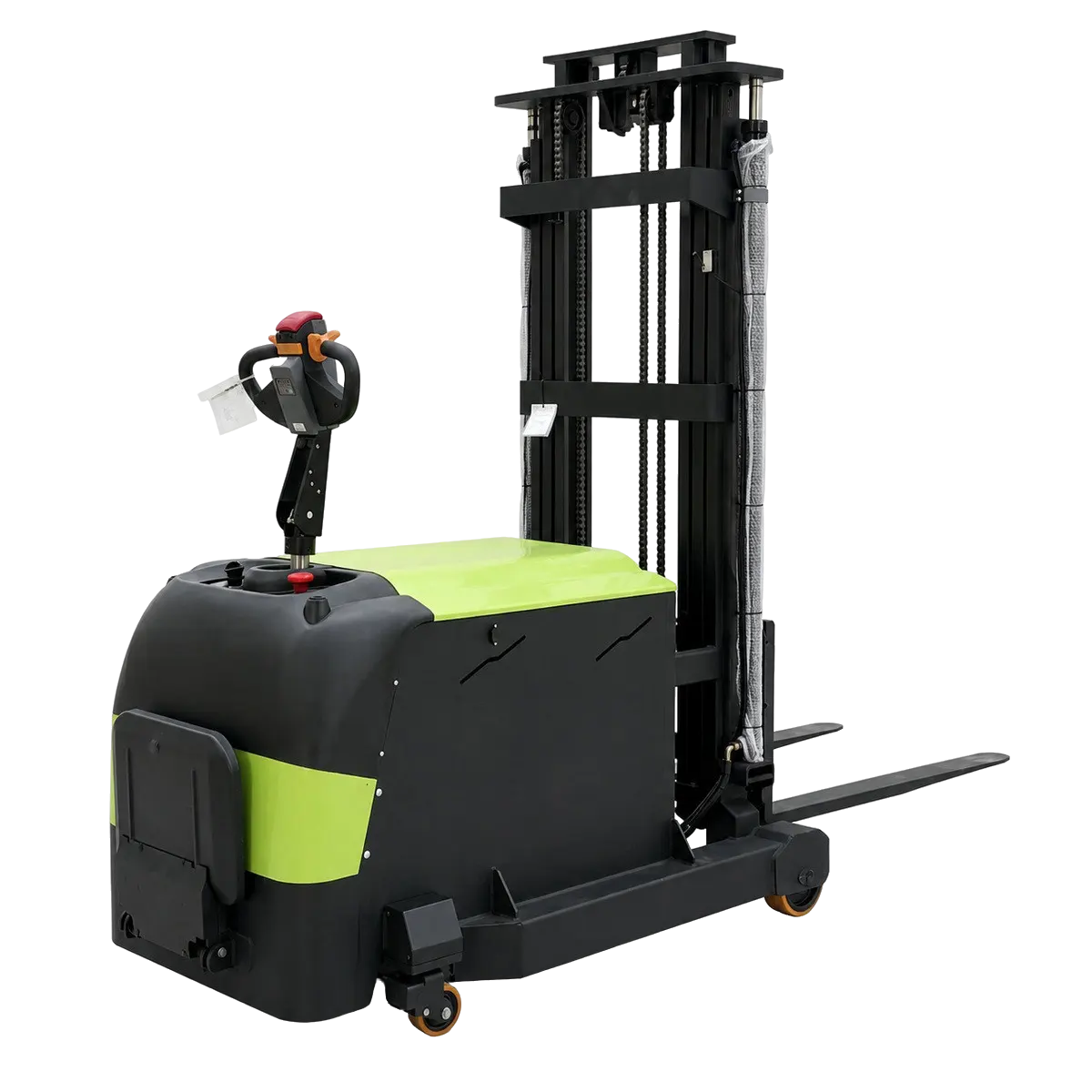
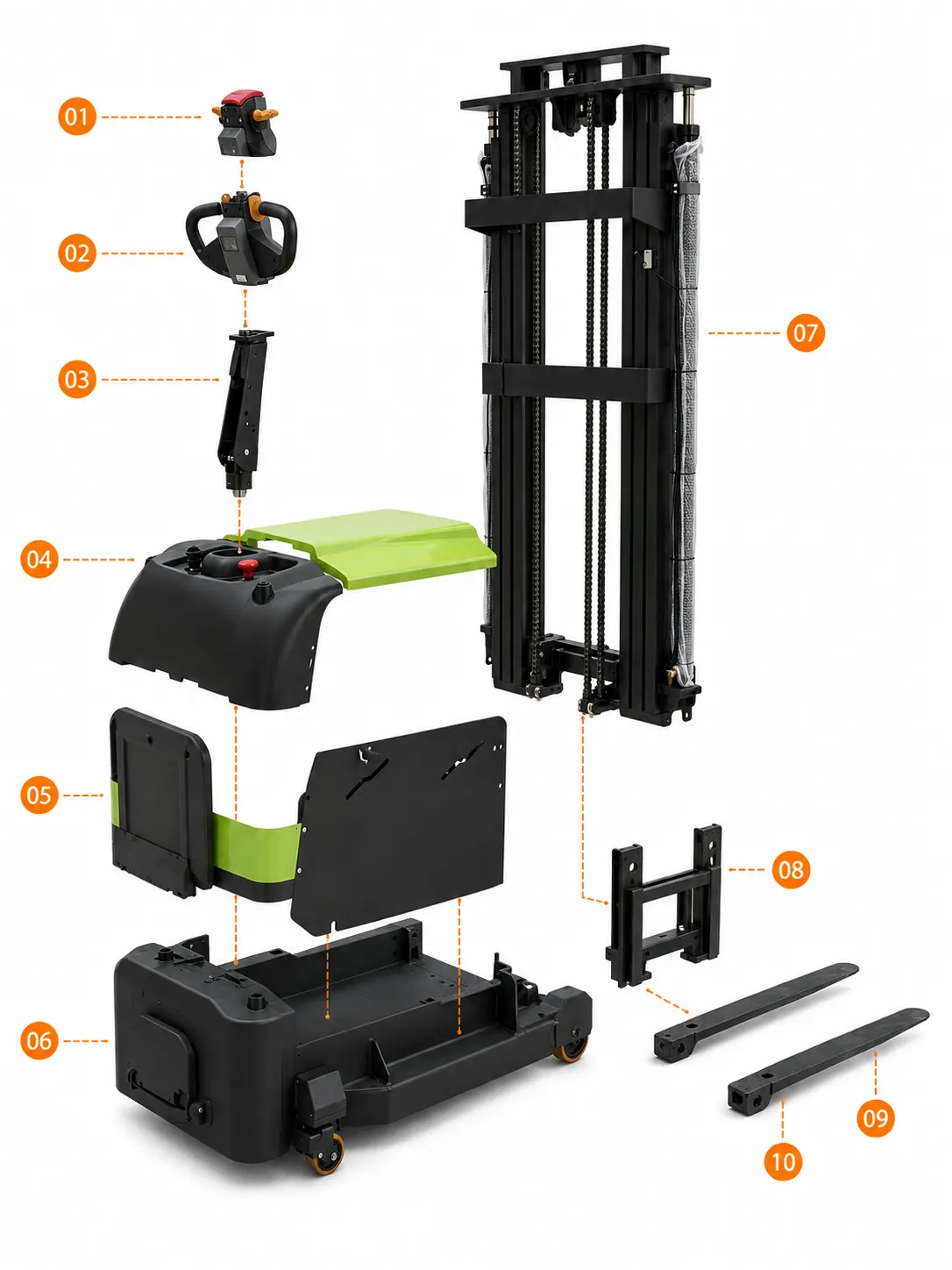
Integrates travel, lift and emergency‑reverse functions. Compact buttons support efficient handling and stacking tasks.
Ergonomic circular grip enables secure two‑hand control for steering and traction within narrow working aisles.
Transmits steering movements from handle to steering unit for multi‑angle operation with steady and smooth response.
Black cover safeguards switches and electric parts, simplifying equipment start‑stop and operational status management.
Black‑green side panels shield batteries and electric systems against impact for convenient routine maintenance access.
Combines drive, electric and hydraulic units to supply power and serve as the main load‑bearing structural base.
High‑strength mast incorporates chains and hydraulics to deliver steady fork travel for handling and high‑stack applications.


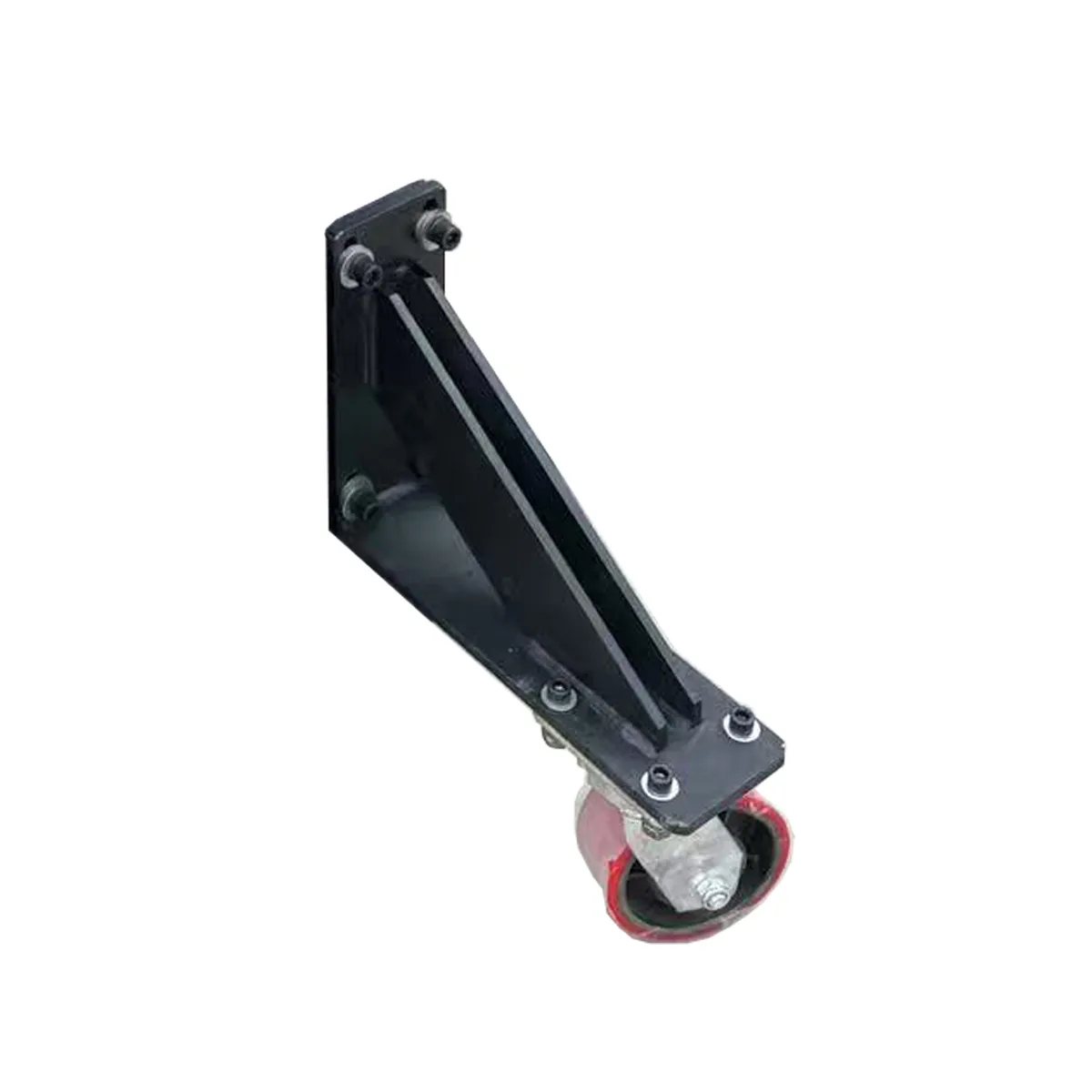

03 / Specs, Parts & Accessories
Video Showcase
Highlights the machine, mast, forks, load wheels and controls.
Video Showcase · 00:34Highlights the machine, mast, forks, load wheels and controls.
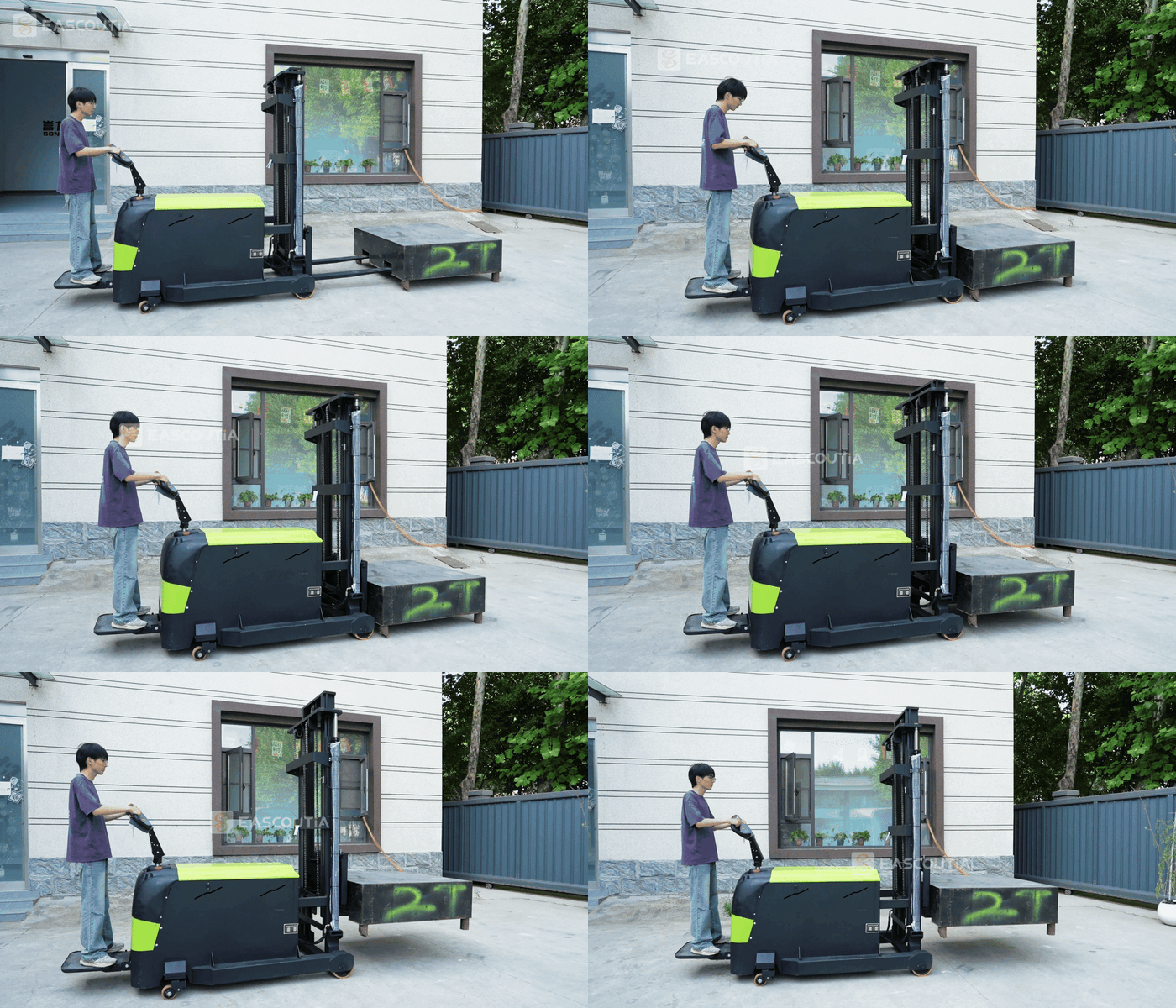
Operation Videos · 00:56Shows pallet handling, fork lifting and load-wheel travel.
Service Videos · 00:33Machines braced inside containers and shipped by road and sea — tracked all the way to your site.
Real on-site records from our factory, offering a practical view of our production capability and delivery readiness.
04/ Product Review
Product Review
We centrally purchase equipment, test the data and the machine, then publish the models that clear our review. You get a shorter path from "could work" to a quote your team can act on.
1. It is commonly used for industrial parks, logistics routes, worksites and managed fleet operations, subject to the selected model and site conditions.
2. Match payload, dimensions, axle or tire specification, powertrain, route and regulatory requirements to the actual workload and operating environment.
3. Confirm model, color, payload, axle or tire specification and optional equipment, then verify the response time and any special requirements.
4. Prepare delivery inspection, approved registration where applicable and scheduled tire, brake and fluid checks; follow the manual for operation, inspection and routine maintenance.
 Simplified explanation
