


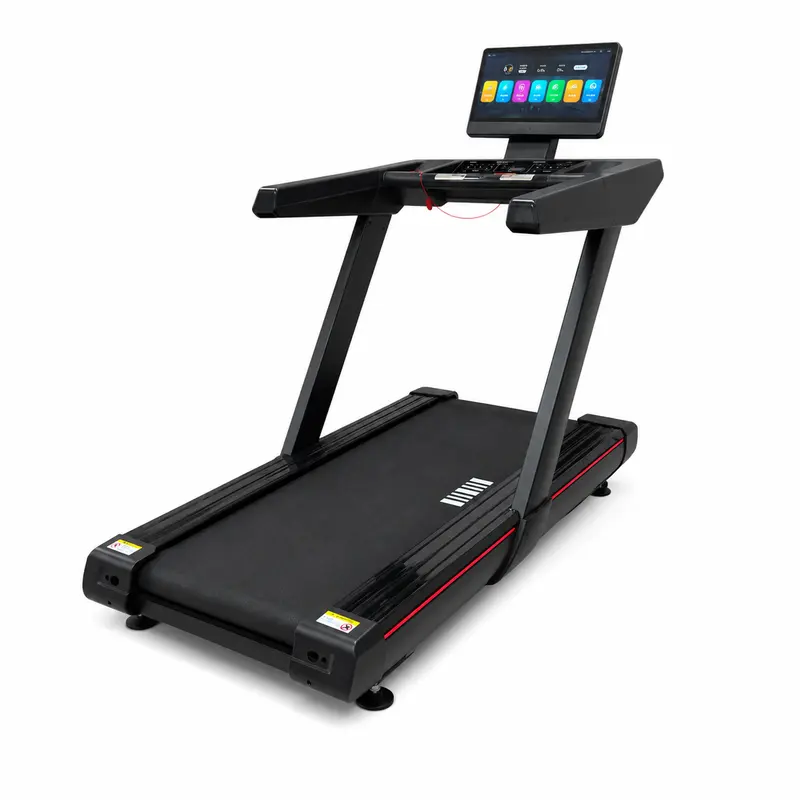
Electric Treadmill
REYK-A07Smart audio-visual interaction, wide and stable running deck — the Black Blade treadmill with screen‑mirroring functionality.
View Details→
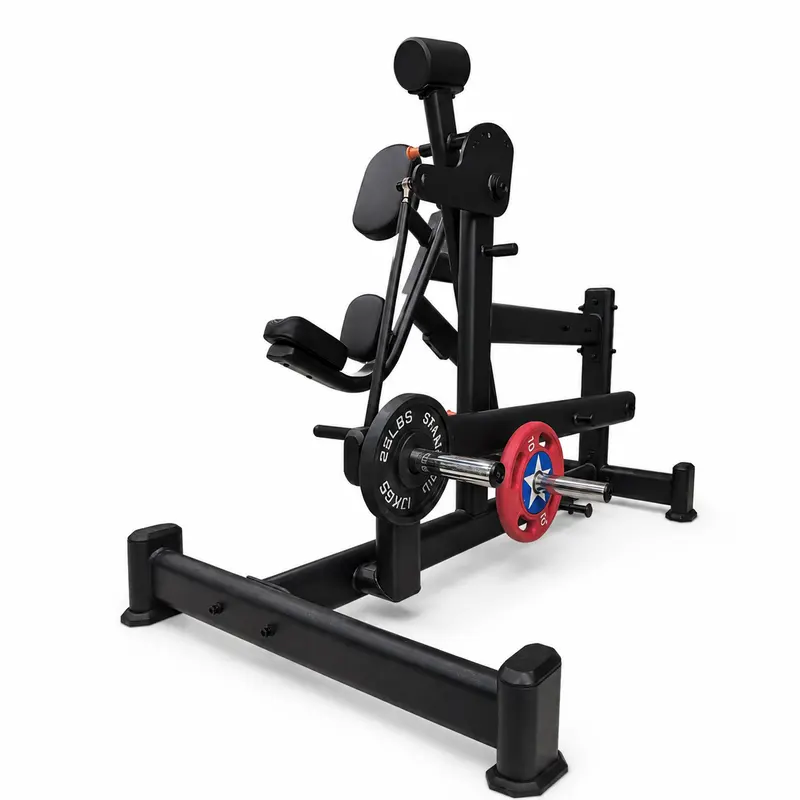
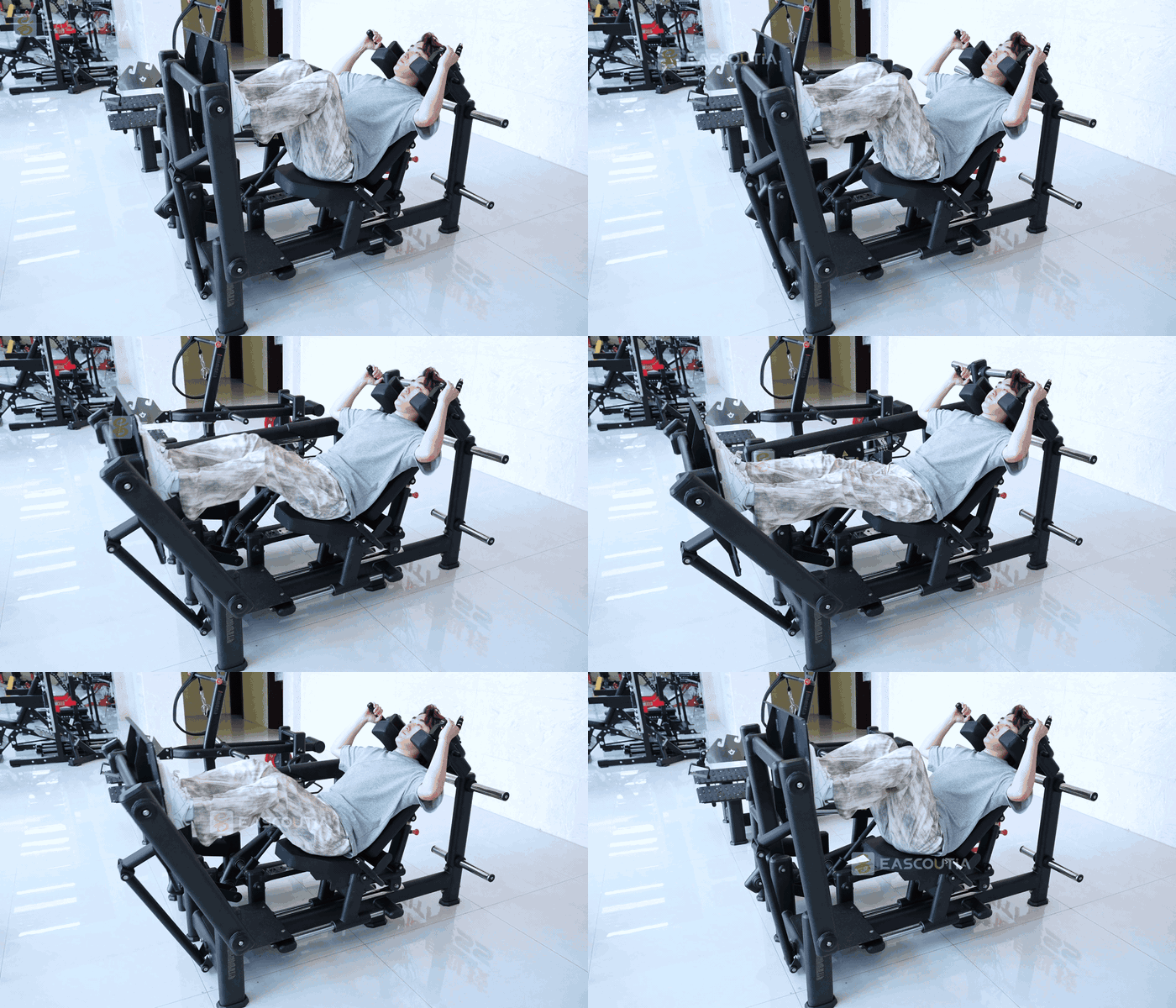
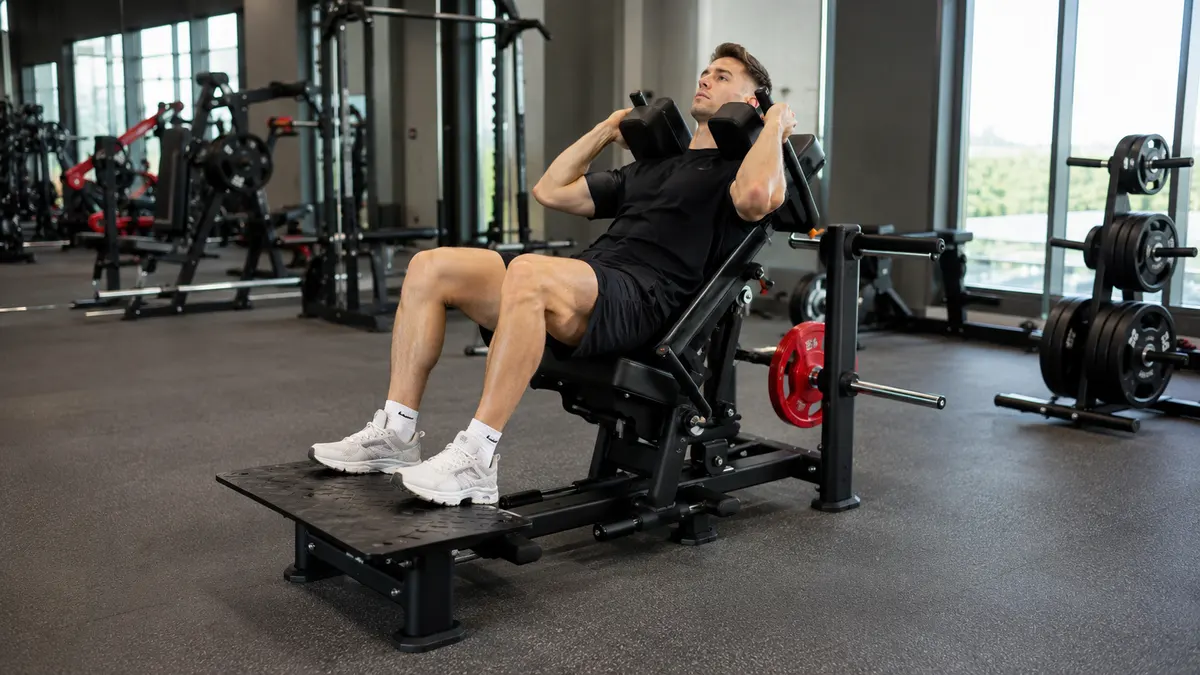 Open Floor Area Frames the Press Path
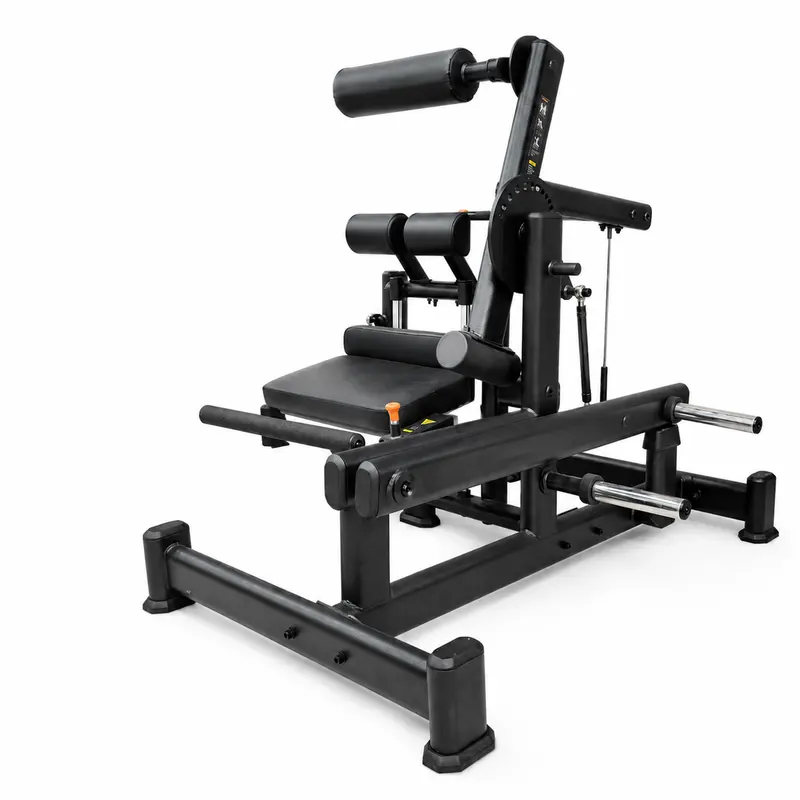
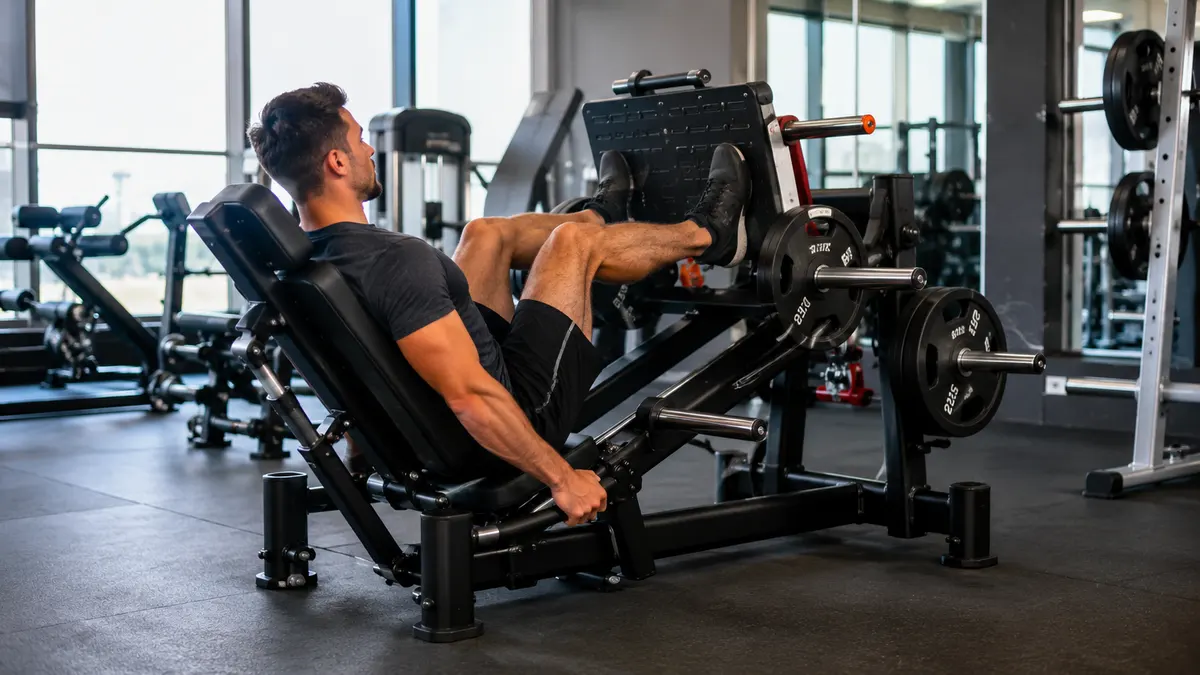 Clear Access to Seat Adjustments
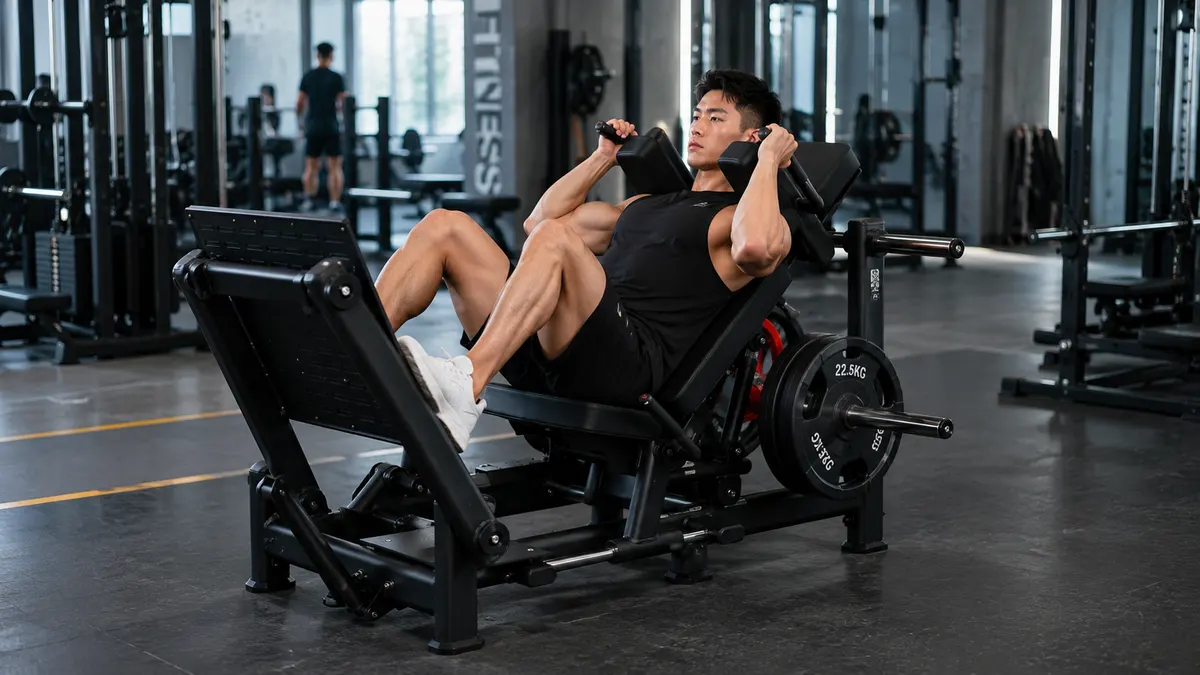 Side View Shows Footplate Clearance
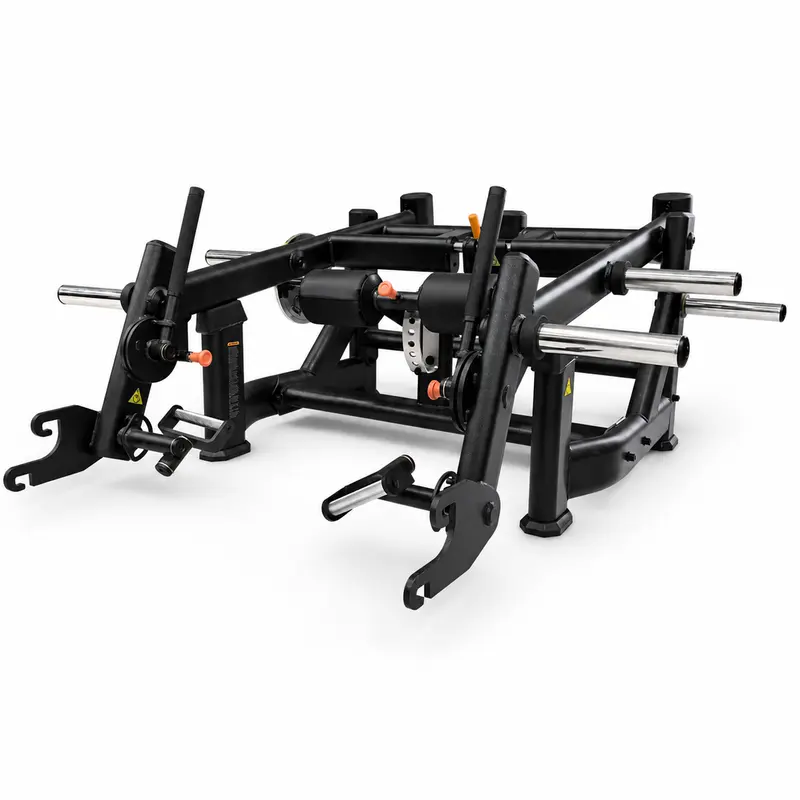
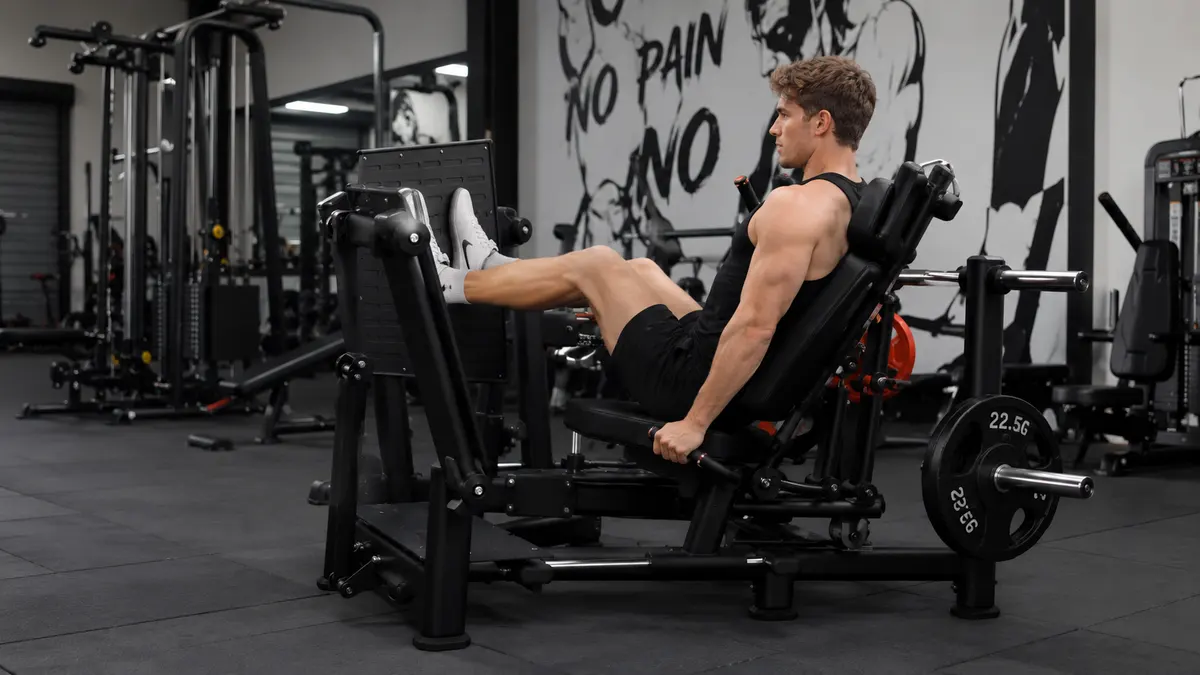 Rear Angle Shows Frame and Load PointsOpen Floor Area Frames the Press PathClear Access to Seat Adjustments
01 /Description
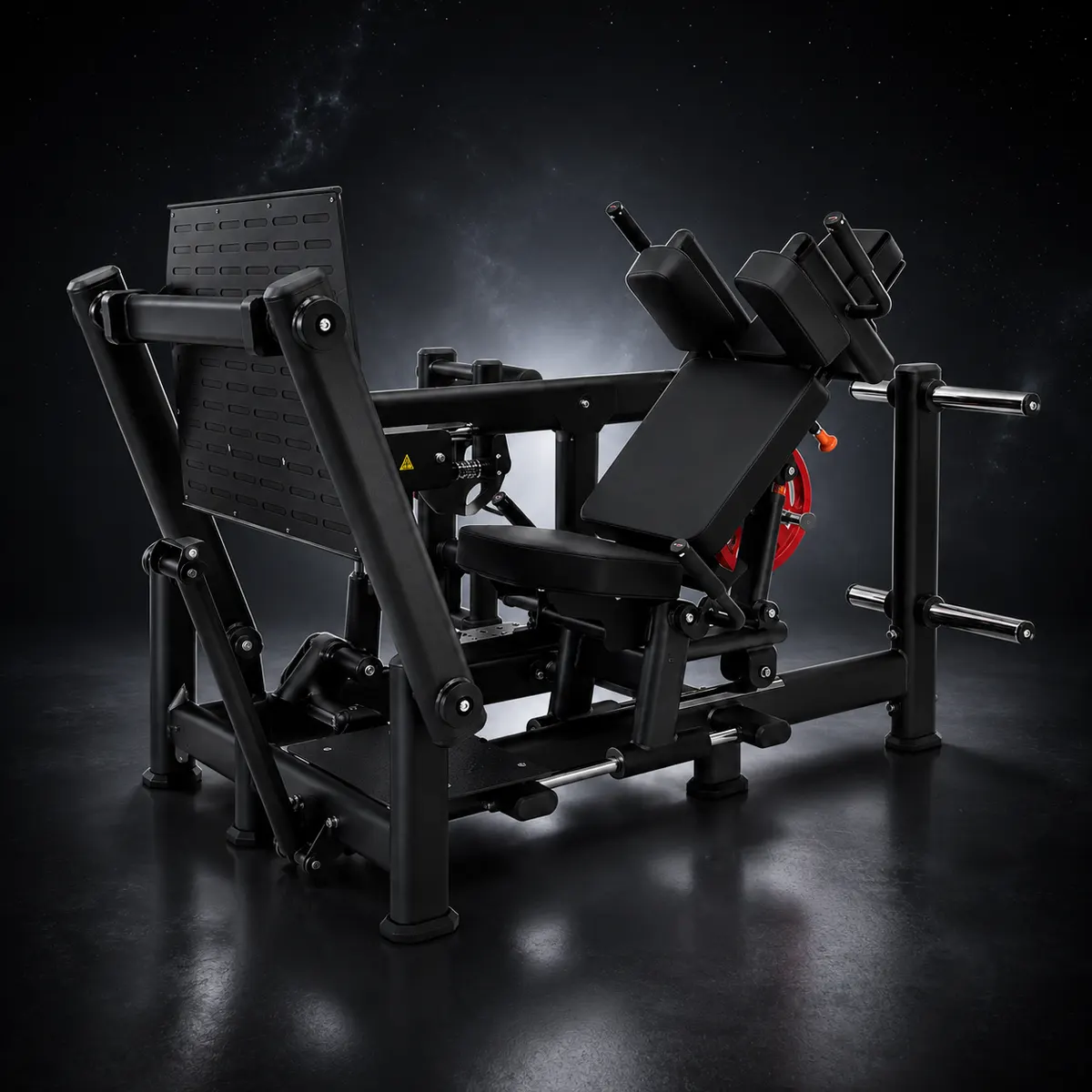
Gym Training and Fitness Center Use with Depth Leg Trainer
Depth Leg Trainer is suited to commercial gyms, training studios, rehabilitation rooms and fitness assessment areas. Select exercises and equipment settings appropriate to the user and training plan. Before deployment, confirm user range, resistance or measurement functions, footprint, load and adjustment options.
Combined with rotation, the working mechanism allows multi-directional digging and material placement, minimizing frequent machine adjustments and suiting confined construction sites.
02 / Specs & Parts
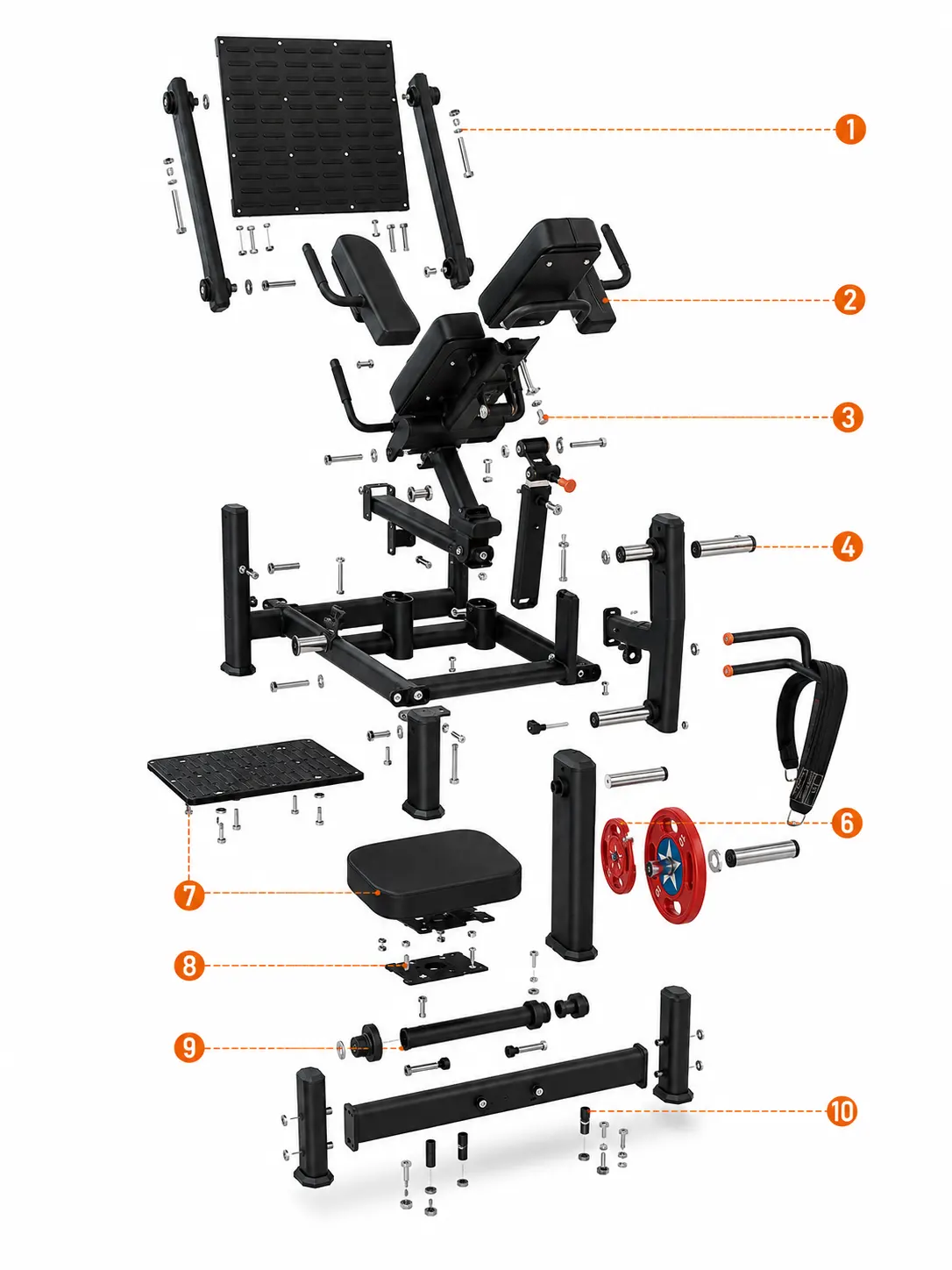
Wide textured metal footplate provides stable support during training.
High-density padding cushions body contact areas and distributes pressure.
Pivot and adjustment knob change the support angle for different training positions.
Stainless steel loading horns hold weight plates for adjustable exercise resistance.
Currently, the exploded view is missing part number 5 and its leader line, making it impossible to accurately identify the corresponding component.
Wide padded belt supports the hip area and transfers the training load.
Wide upholstered cushion supports the hips during seated exercise.
03 / Specs, Parts & Accessories
Video Showcase
The video shows the main adjustment methods and complete exercise movements performed on the machine.
Video Showcase · 00:24The video shows the main adjustment methods and complete exercise movements performed on the machine.
Operation Videos · 00:34The video presents the complete machine appearance, structural layout, and visible details of its key components.
Service Videos · 00:16fitness machines on wooden pallets, wrapped in film, lined up in the workshop, then moved by forklift and truck — packaging and dispatch handled with care.
Service Videos · 00:25yard logistics in action: forklifts shuttle between container and cargo area, moving from outdoor loading to indoor storage — smooth and efficient dispatch.
Real on-site records from our factory, offering a practical view of our production capability and delivery readiness.
04/ Product Review
Product Review
We centrally purchase equipment, test the data and the machine, then publish the models that clear our review. You get a shorter path from "could work" to a quote your team can act on.
1. It is commonly used for commercial gyms, training studios, rehabilitation rooms and fitness assessment areas, subject to the selected model and site conditions.
2. Match user range, resistance or measurement functions, footprint, load and adjustment options to the actual workload and operating environment.
3. Confirm model, upholstery or frame color, dimensions and accessory package, then verify the response time and any special requirements.
4. Prepare level flooring, adequate safety clearance and scheduled inspection of moving or sensing parts; follow the manual for operation, inspection and routine maintenance.
 Simplified explanation
